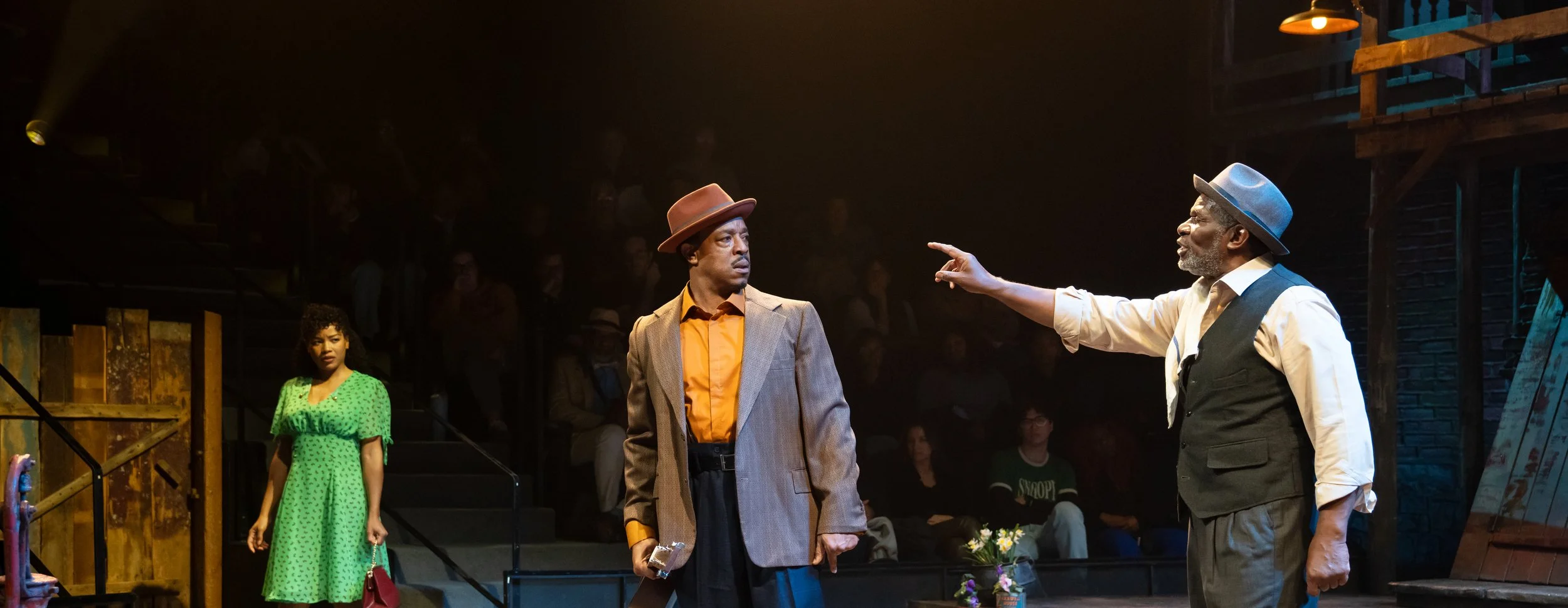
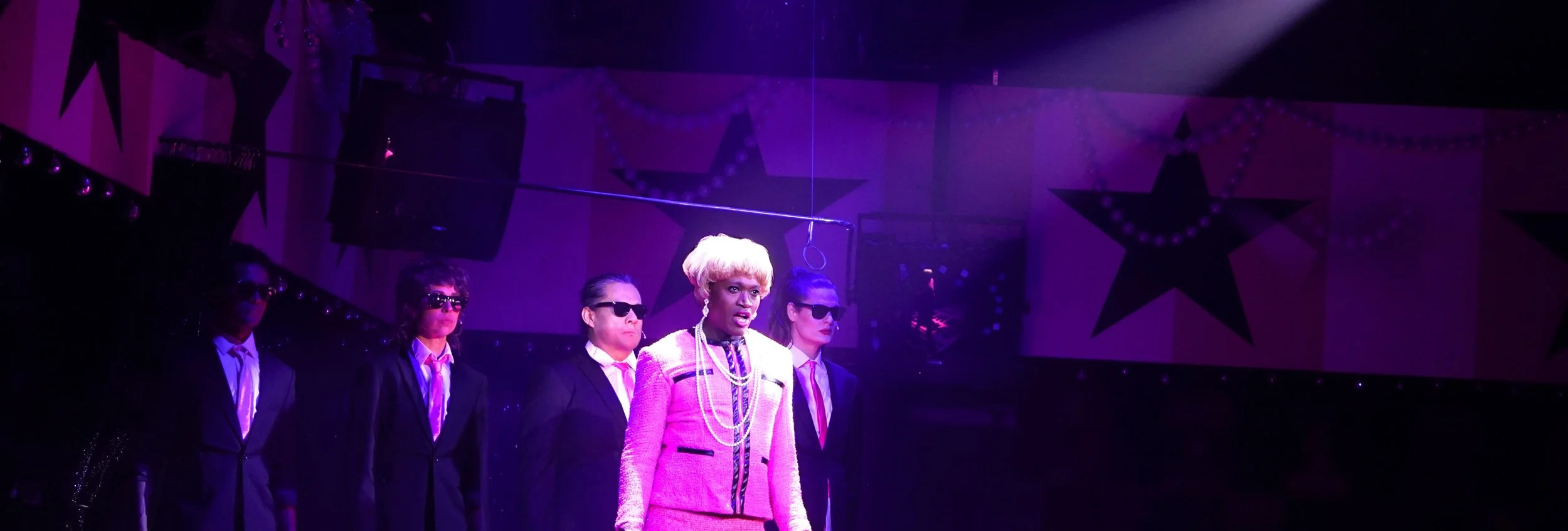
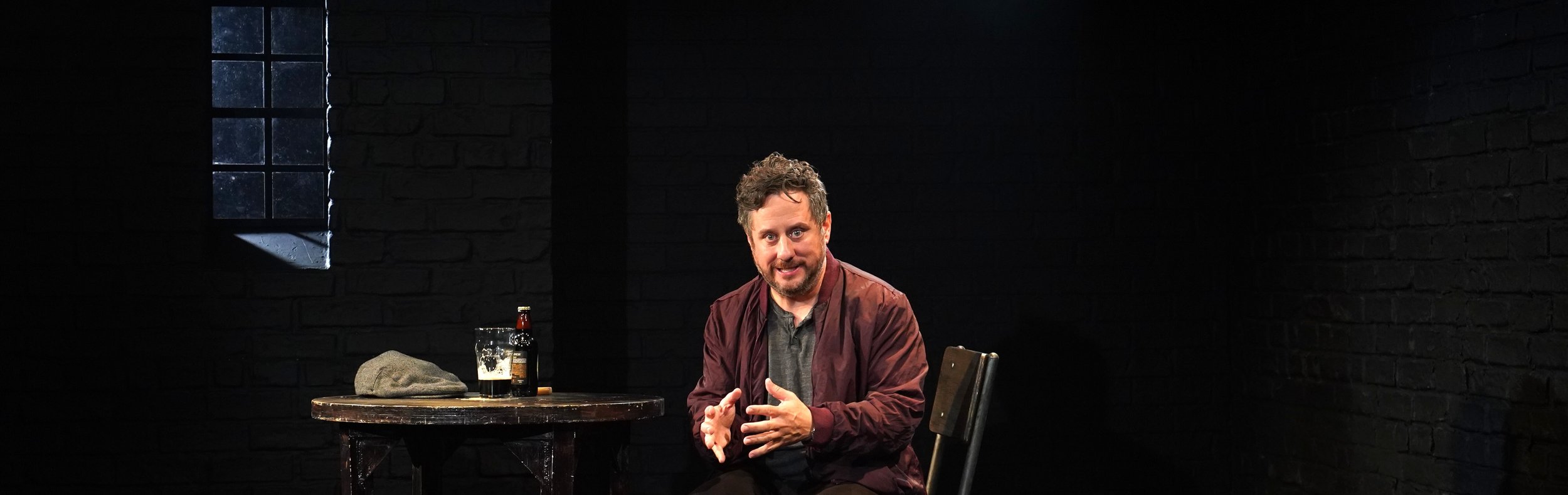
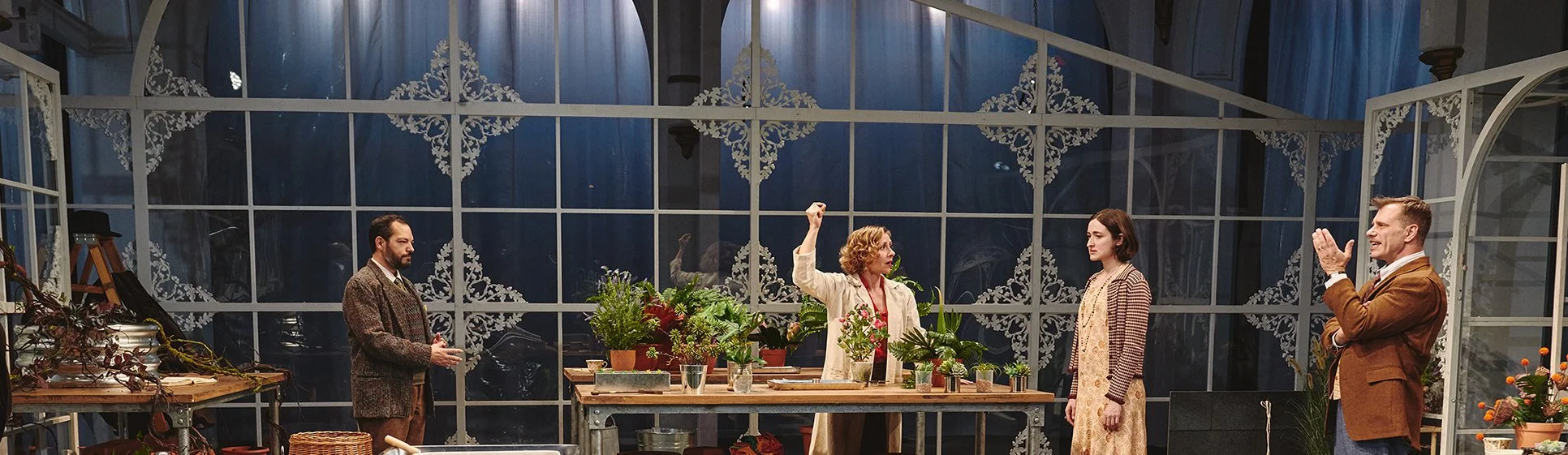
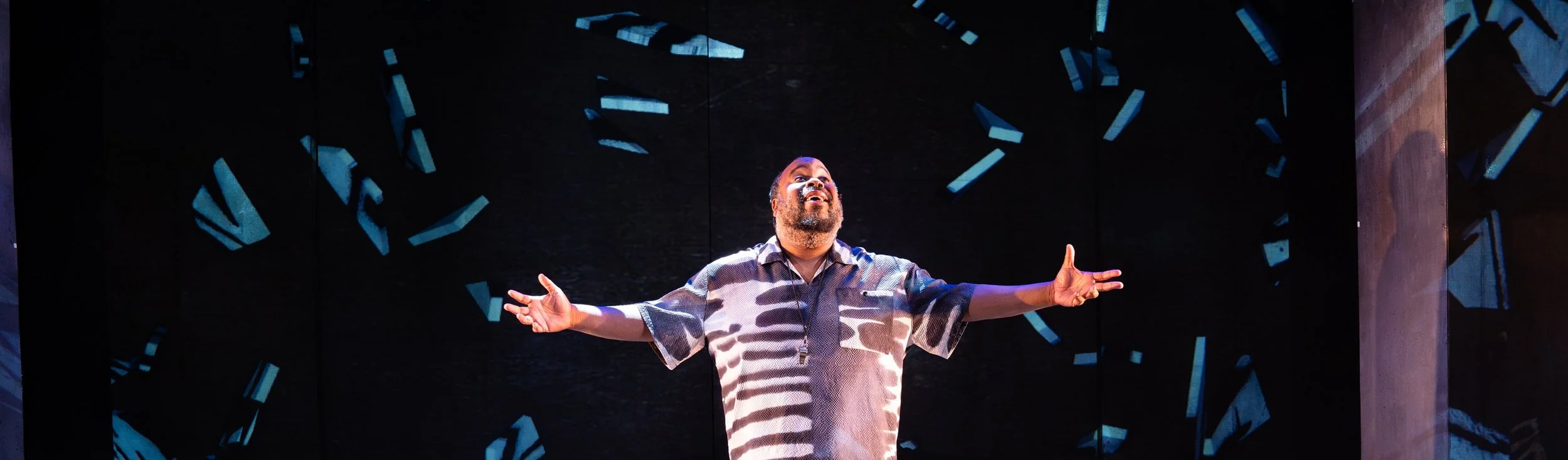
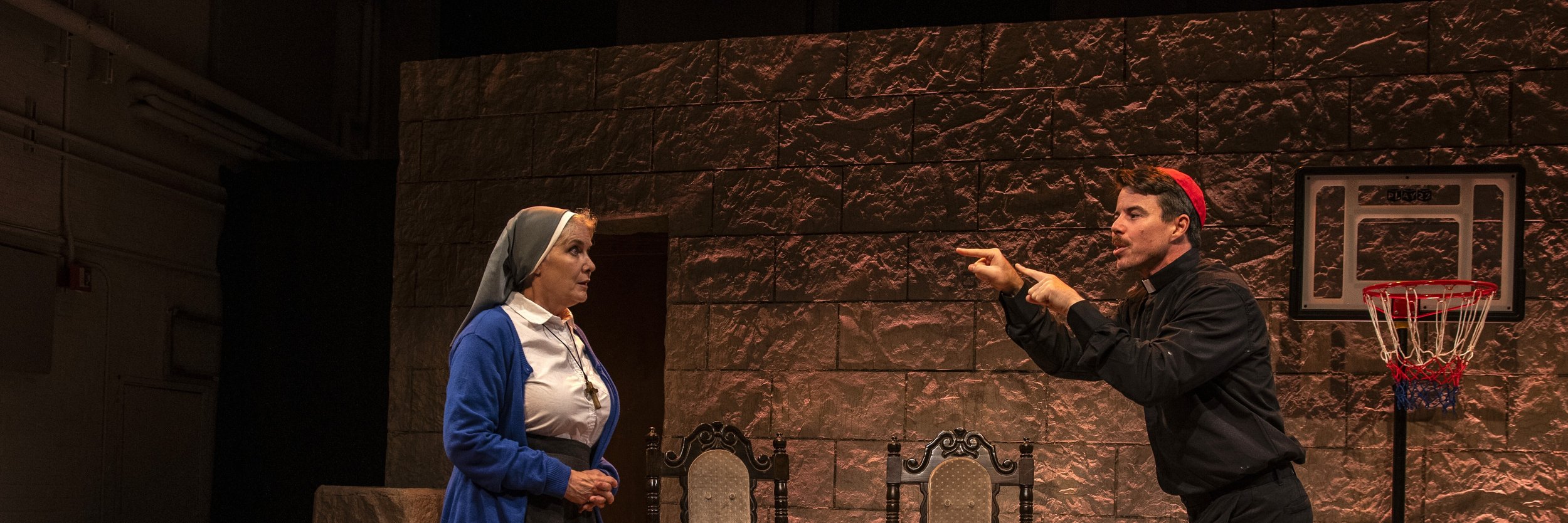
In How Shakespeare Saved My Life, Jacob Ming-Trent transforms the search for a place to belong into a riveting celebration of the power of language. Directed by Tony Taccone, this solo performance draws on Shakespeare, rap, poetry, and preaching to chart one man’s journey toward reclaiming his life.
The Holes
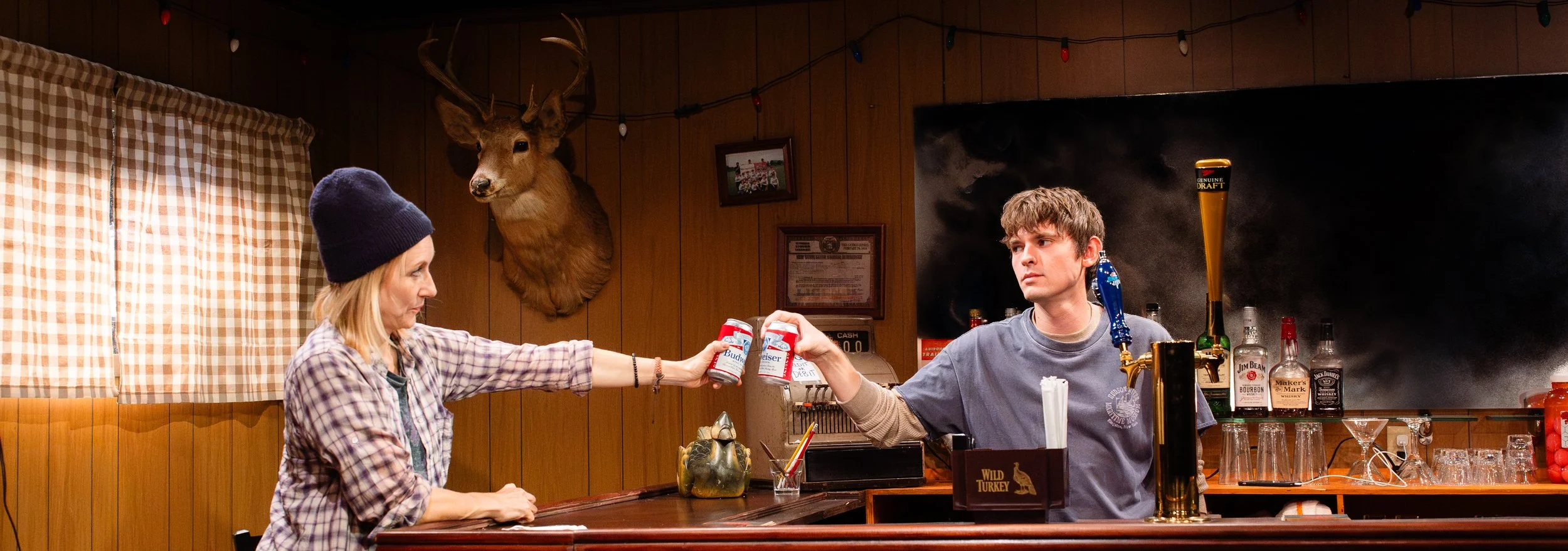
For the first two scenes of Max Wolf Friedlich’s The Holes, the intrigue builds carefully, as a bartender named Joey Alexander (Bubba Weiler) hangs around his cozy but empty establishment on a snowy night. He soon has a visitor, a man (Grantham Coleman) calling himself “Paul,” who hands him an envelope full of cash and an ID that identifies him otherwise: as someone named Wesley. The cash gains Wesley entrée into the back room of the dive bar—in spite of arriving long after his assigned time. “Next time don’t be late,” says Weiler’s stern Joey, adding, “12:24 is not the same as 11:30.” What is behind that door constitutes a mystery that drives the narrative of The Holes. Friedlich calls his play a “fairy tale,” but the gay-inflected twaddle that follows is a far cry from Hans Christian Andersen.
Delirium
Avant-garde playwright Eugène Ionesco (1909–94) traced his love of theater to watching a Punch-and-Judy show in Paris’s Luxembourg Gardens as a child. He was enthralled by the puppets that “talked, moved, clubbed each other,” and the performances represented, he wrote, “the spectacle of the world itself . . . as if to underline its grotesque and brutal truth.” Igor Golyak’s Delirium, an adaptation of Ionesco’s 1962 play Délire à deux (Frenzy for Two), captures this signature blend of slapstick domestic squabbling while highlighting the human penchant for destruction and barbarity.
Pre-Existing Condition
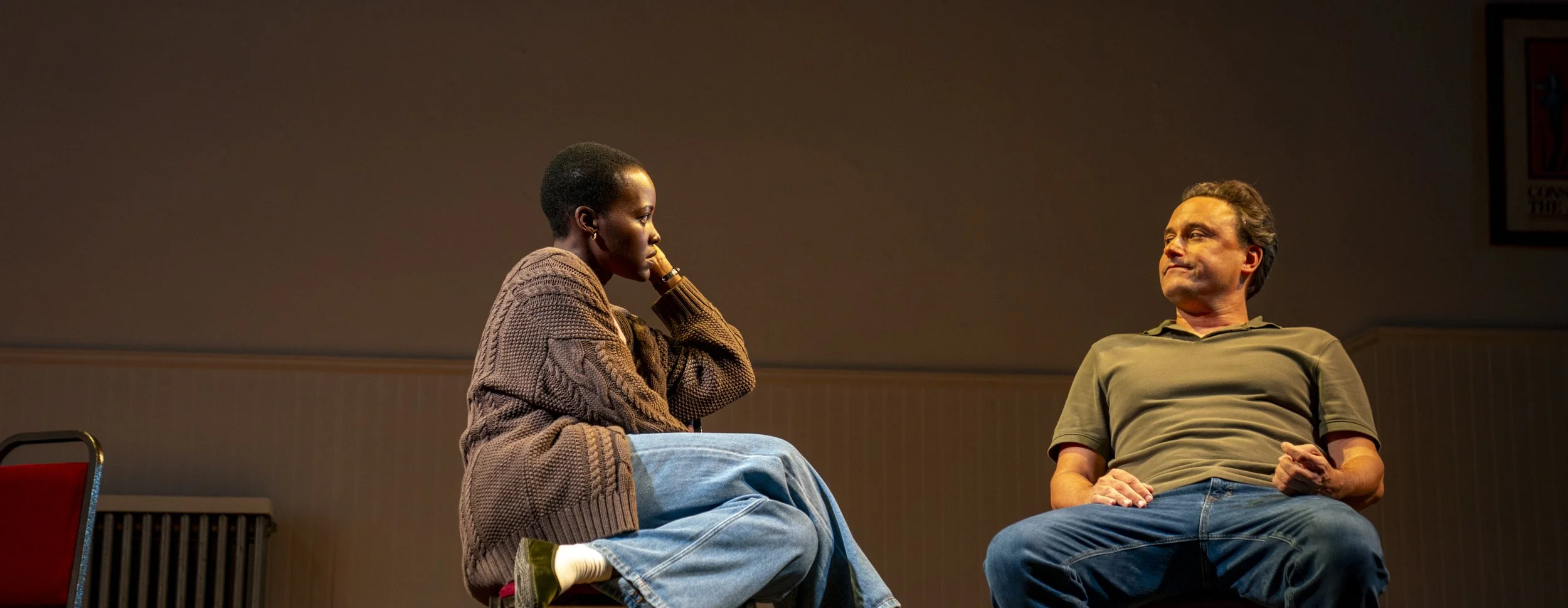
Marin Ireland’s Pre-Existing Condition is about the emotional aftermath of domestic violence. It is a quiet, unflashy play—75 minutes, sensitively directed by Maria Dizzia, with subtle performances from an ensemble of four—but no less devastating for its restraint. Lupita Nyong’o is outstanding as the protagonist, A: with fury, self-doubt, shame, and agony roiling beneath the surface, she strains at every moment to stay composed. The audience follows her through support groups, therapy, unhelpful family and friends, and the tentative possibility of letting herself trust again.
The Invention of Love
In Tom Stoppard’s The Invention of Love (1997), intellectual brilliance and unspoken longing collide as poet and classical scholar A. E. Housman confronts the love he has carried silently through a lifetime. In this rare revival, Zachary Elkind’s direction and David Greenspan’s mesmerizing performance transform Housman’s final journey into a poignant meditation on love, memory, and the price of keeping desire hidden.
Les Enfants Terribles
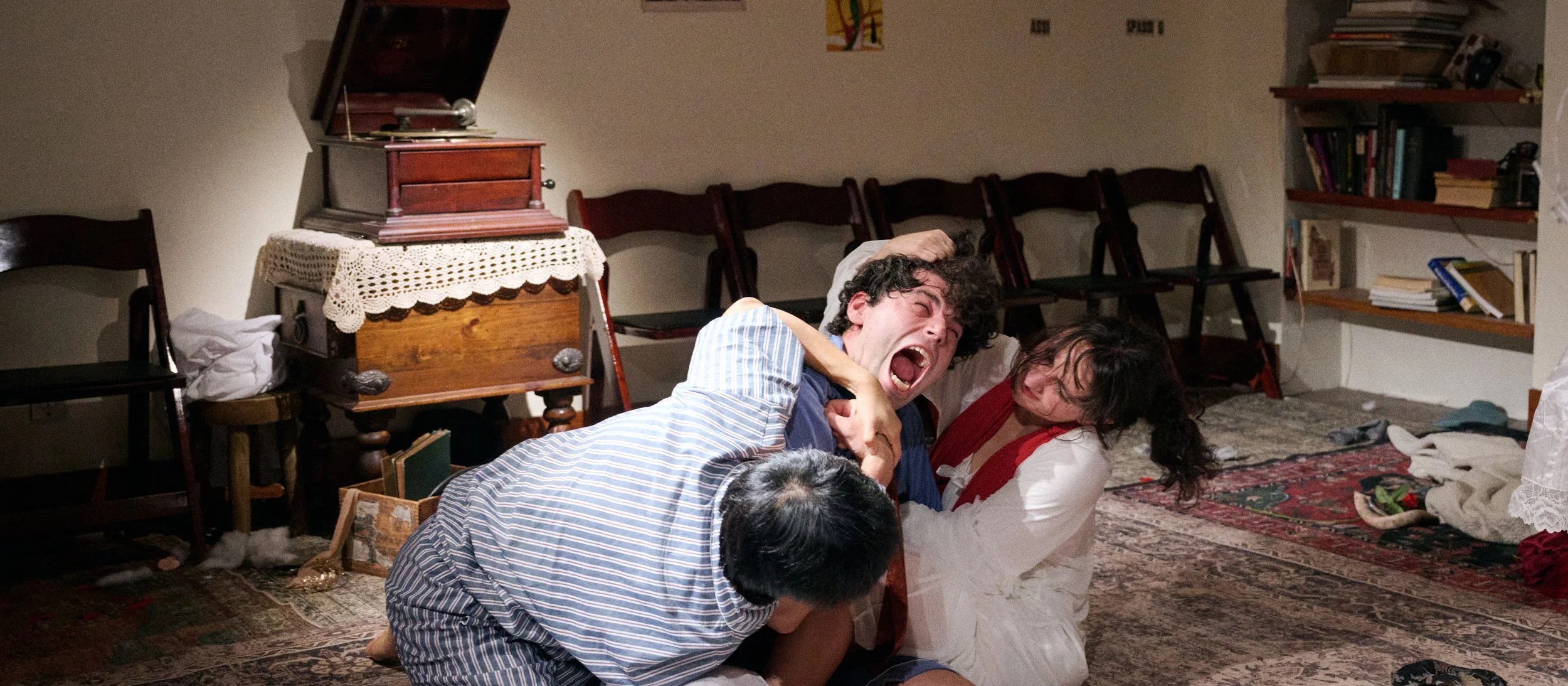
French poet and avant-garde artist Jean Cocteau wrote his 1929 novella Les Enfants Terribles (The Terrible Children) in just 17 days while recovering from an opium addiction at a clinic. In Michael Gardner’s ambitious new stage adaptation, which he also directs, Cocteau’s dark, hypnotic fable explores the dangerous power of imagination, suggesting how unbridled fantasy and obsessive isolation can transform an internal refuge into a destructive prison.
Lean-To
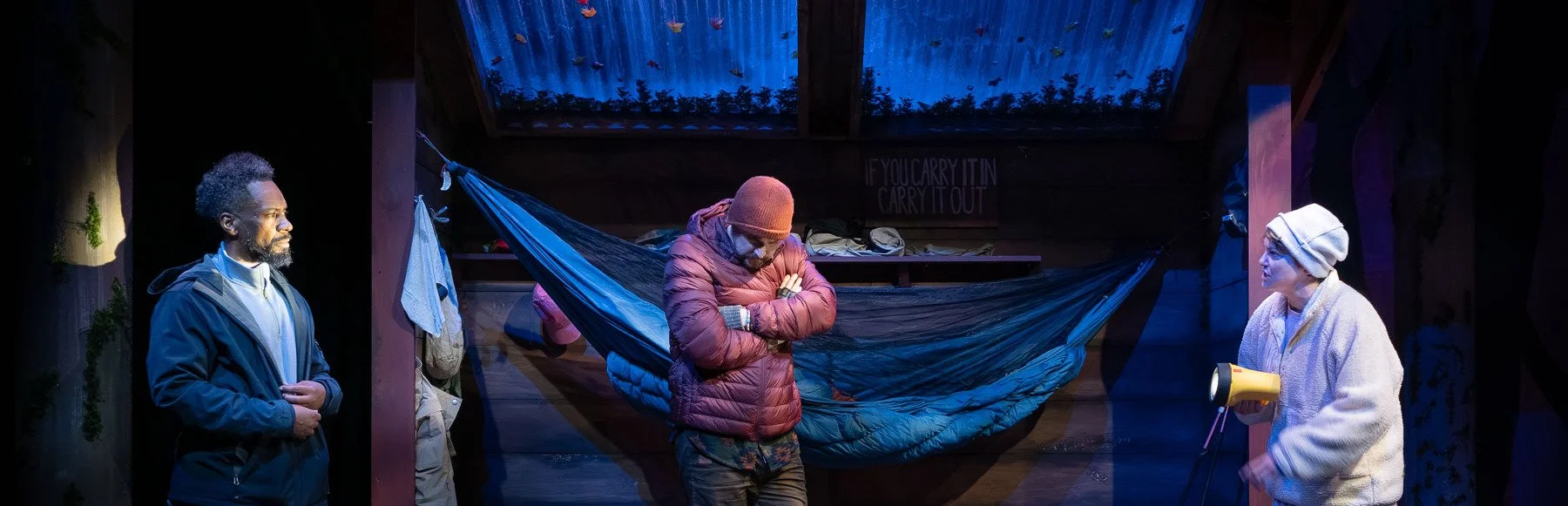
In Stephen Sheffer’s new play Lean-To, strangers camp out in the titular structure during a hike. While the setting is rendered beautifully, the drama flops due to a script full of extended silences, platitudinous conversation, and ill-conceived character behavior.
The Body of Mary
In The Body of Mary: A Play in Three Acts (of God), Katie Cappiello reimagines the Virgin Mary’s origin story to examine the struggle over women’s bodies, reproduction, and who controls the narrative. Written and directed by Cappiello, this comedy brings together three women named Mary whose lives, separated by centuries, illuminate the forces of patriarchal control, violence, and repression.
Very Blue Light
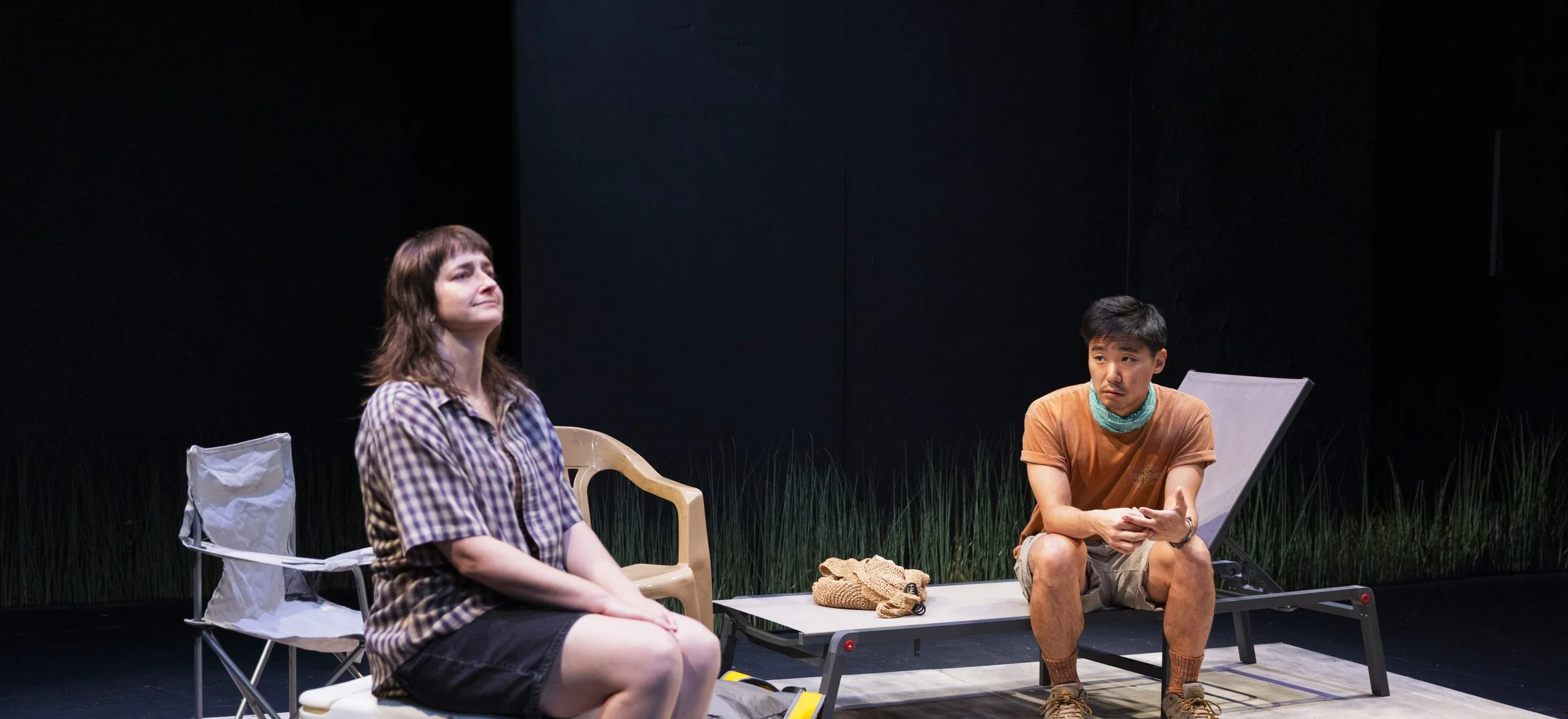
Marfa, Texas, the shooting locale for the George Stevens epic film Giant 70 years ago, is known as a dot of cultural sophistication, big on minimalist art, amid hundreds of miles of Texas brush and desert. It’s also renowned for the Marfa Lights, a nocturnal phenomenon of distant brightness that can appear orange, yellow, blue, red. It’s not known as a hangout for anxious thirtysomethings yapping about politics, gender, and muddled friendships, but that’s the upshot of Very Blue Light, Daphne Silbiger’s new drama at The Tank. That it plays as well as it does is a tribute to Silbiger’s clever invocation of familiar themes, and a beguiling cast of four up-and-coming actors.
Don Juan
Molière’s Don Juan takes audiences on a feverish journey from seduction to reckoning, blending farce, tragedy, and the supernatural in a provocative examination of hypocrisy, morality, and the consequences of unchecked desire. In the free outdoor production by Molière in the Park (MIP), this darkly comic masterpiece proves as entertaining as it is unsettling, holding up a mirror to human folly while leaving audiences to determine where they stand.
Garry Starr: Classic Penguins
Crikey! Garry Starr: Classic Penguins makes one wonder what the Aussies are consuming besides cold ones. A quarter century after Puppetry of the Penis, the lunatic 2001 production from Down Under that introduced “genital origami,” comes this brash, loopy clown show, written and performed by Garry Starr (the stage persona of Damien Warren-Smith).
To Have and To Hold
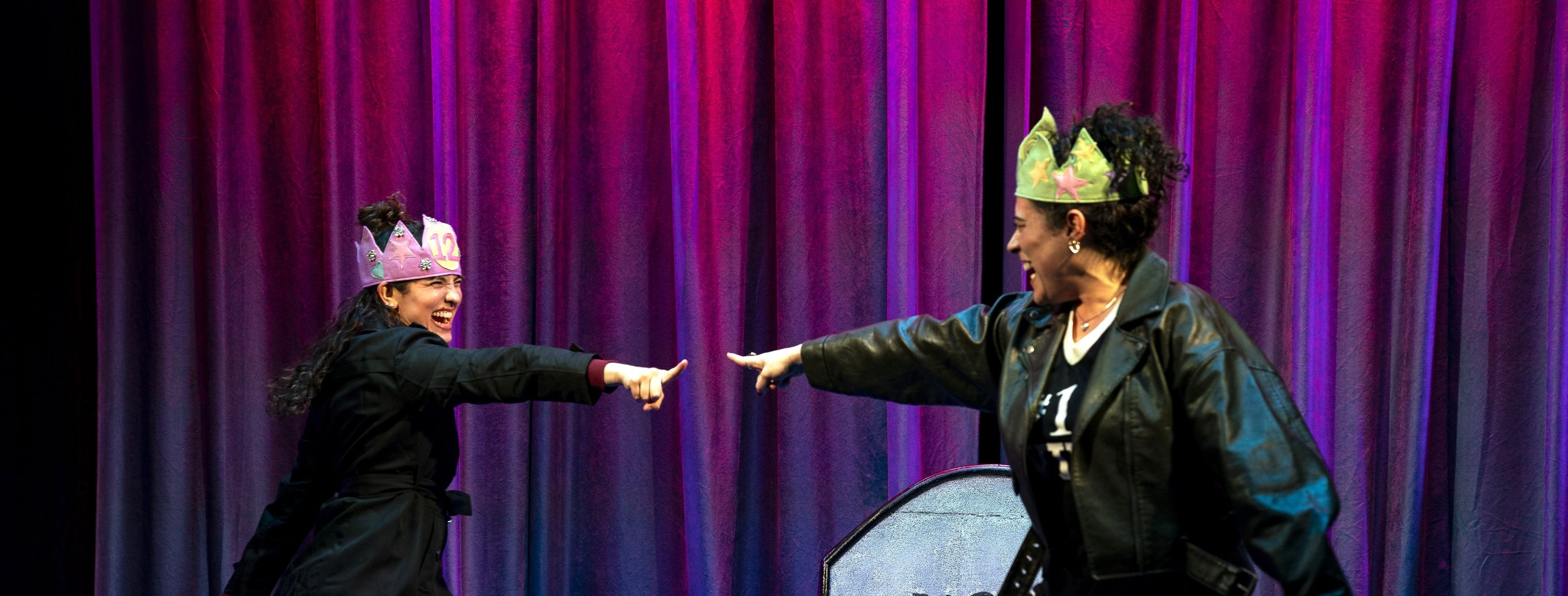
Although the renowned 20th-century poet W. H. Auden dismissed The Taming of the Shrew as “the only play of Shakespeare’s that is a complete failure,” Laura Lapidus proves there is still plenty of life in the old comedy with To Have and To Hold, her contemporary reimagining that explores sisterhood, romantic love and the difficult business of coming into one’s own. Smartly directed by Zoë Adams and featuring a top-notch ensemble, this 85-minute romp through modern romance is both deliciously entertaining and unexpectedly poignant.
The Real Ivanov: A Comedy About Despair
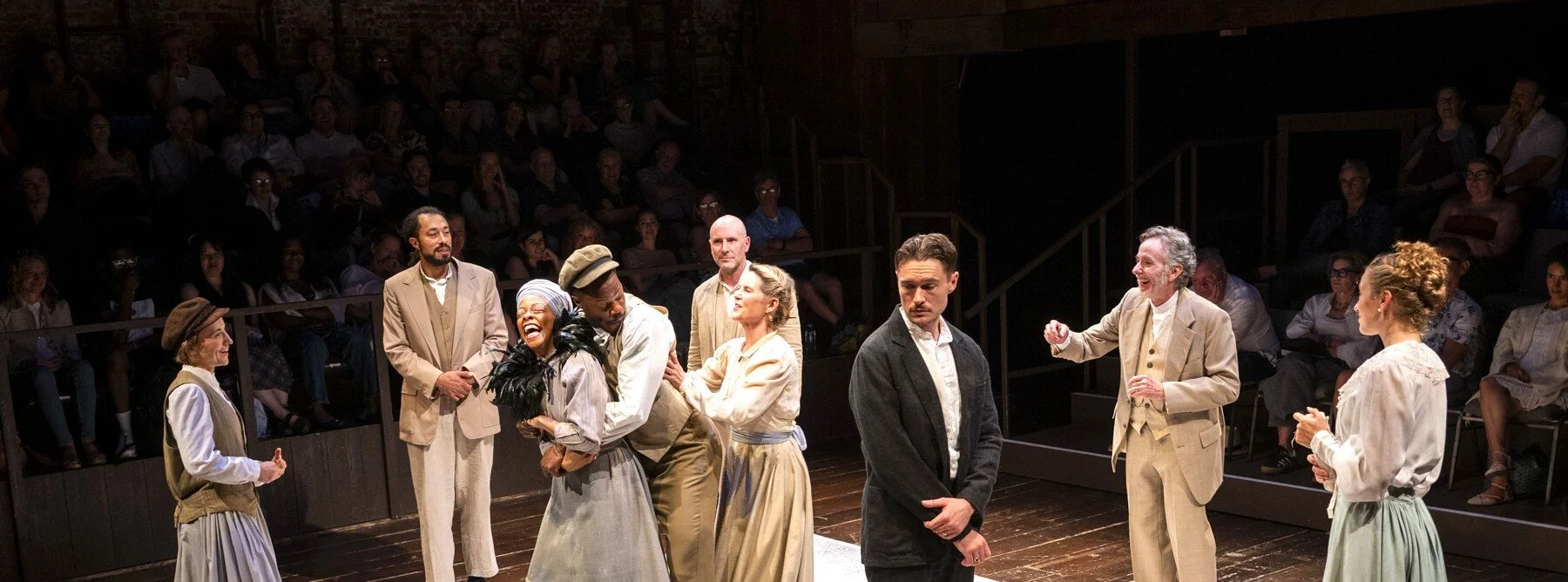
Laura Strausfeld, adaptor and director of The Real Ivanov: A Comedy About Despair, describes her production as a “faithful adaptation of [Anton] Chekhov’s Ivanov.” In 100 minutes without an intermission, an 11-member cast touches the principal plot points of the Russian master’s first full-length drama; but little remains of the dramatic craftsmanship that gives each scene of a genuine Chekhov play the aura of lived experience. The script of the so-called Real Ivanov summons to mind Reader’s Digest Condensed Books: more has been discarded than left intact.
The House of the Negro Insane
Terence Anthony’s The House of the Negro Insane, set in 1935 inside Central State Hospital, a psychiatric institution built to confine “insane and idiotic negroes,” is a searing drama about confinement, despair, and the possibility of freedom. Structured in seven scenes, the play has a surreal texture that director Daniel Carlton brings to vivid life—a world in which even those resigned to death may dare to imagine freedom beyond the walls.
The Bathroom Attendant
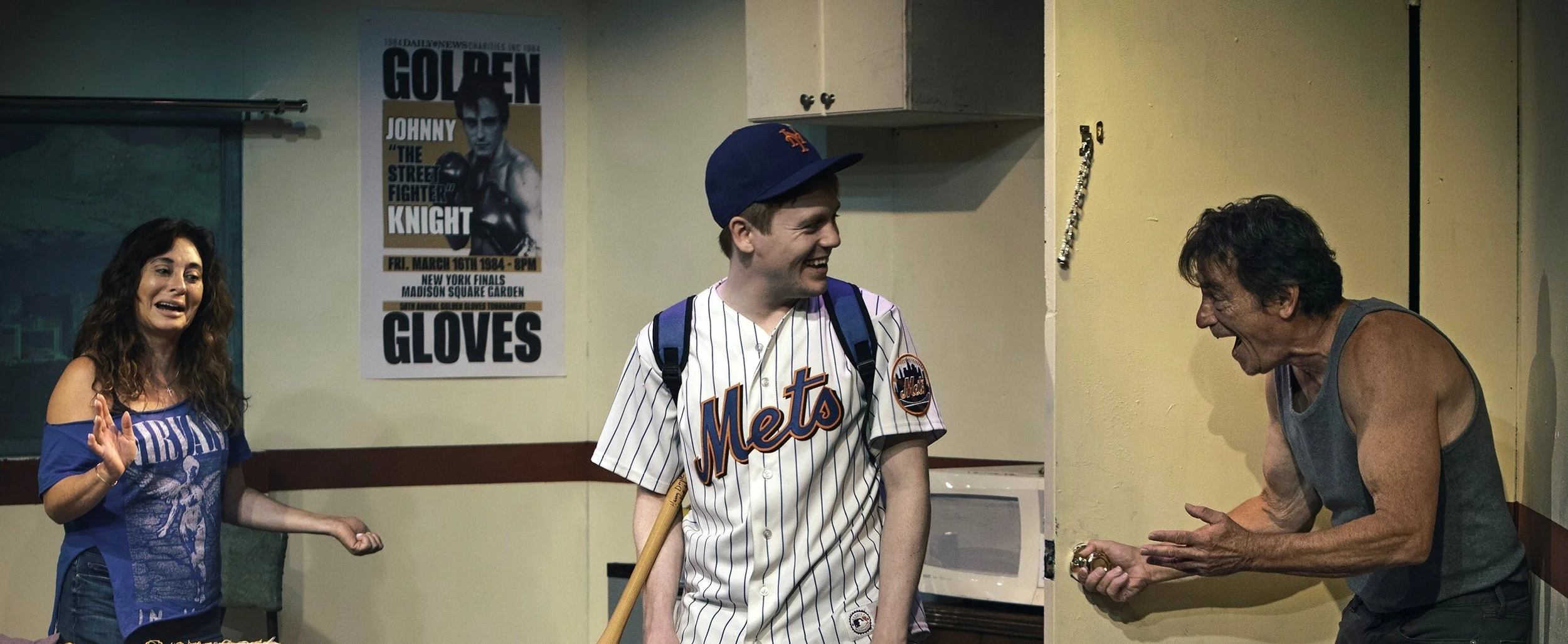
TThe Bathroom Attendant, by Tom Kelly, centers on Johnny (Dan Patrick Brady), an affable ex-prizefighter who is down on his luck in Las Vegas. Living in a rundown housing block on the outskirts of the city, Johnny currently works as a restroom attendant at the city’s Mob Museum, but he believes his fortune is just one winning hand away—if only he can scrape together enough cash to play.
Benevolent
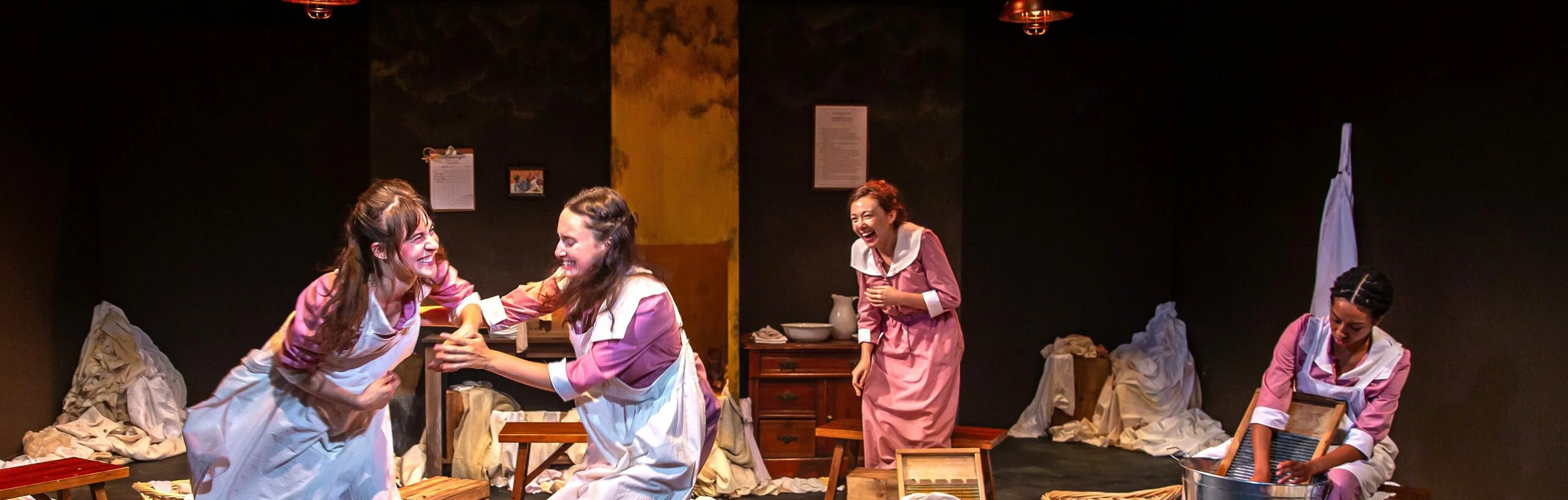
In Sophie McIntosh’s new play benevolent, four young women in 1917 New York endure life inside the Inwood Benevolent Home, an ostensibly charitable reformatory for “fallen girls.” More specifically, the work is set in the basement laundry room, where the women wash soiled sheets, toiling over basins with washboards and helpings of borax. McIntosh uses this setting to explore issues of class, gender, and desire, all rooted in the relationships among the four residents.
An American Daughter
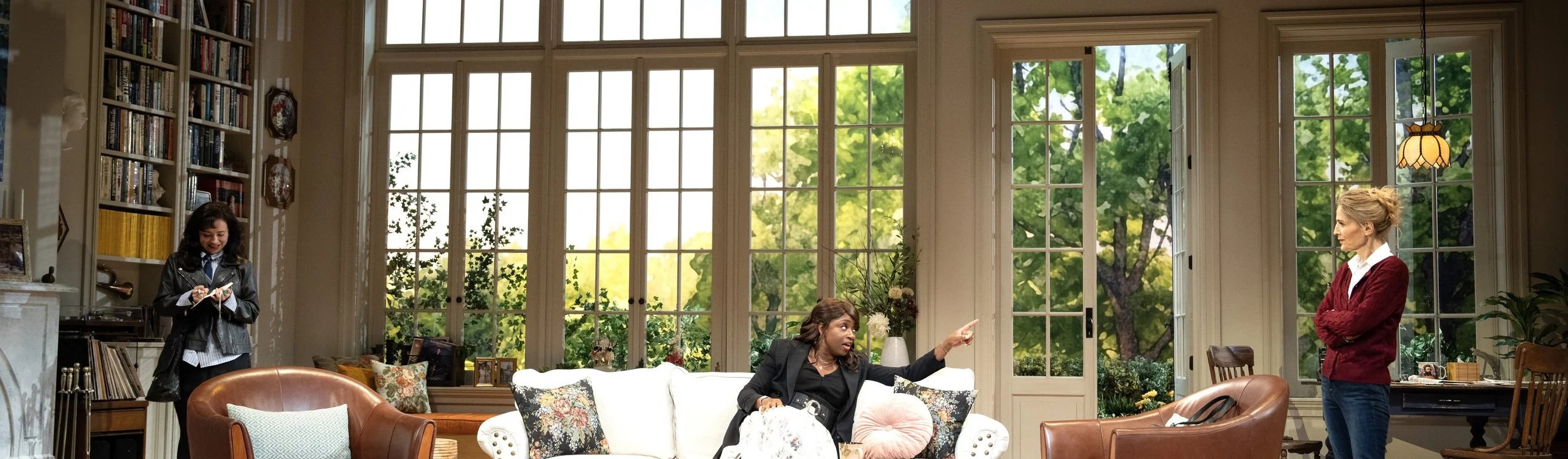
La Femme Theatre Productions, dedicated to “exploring the female experience through classic and contemporary plays,” is presenting the first New York revival of Wendy Wasserstein’s An American Daughter. This largely forgotten play premiered on Broadway in 1997 with a first-rate cast, including the late Lynne Thigpen, who won a Tony Award for her superb performance as the protagonist’s best friend Judith. It closed after a paltry 89 performances. The revival, directed by Sarna Lapine, utilizes post-Broadway revisions by Wasserstein, who died in 2006 at age 55. The script-tinkering hasn’t fixed the problems of the original, and it undermines what Wasserstein accomplished in this not-so-bad high comedy, which, in the late 1990s, was timely and diverting (though it fell far short of the political heft she had intended).
Isla
Samantha Blain as Lulu recounts her family’s journey from Cuba to the United States.
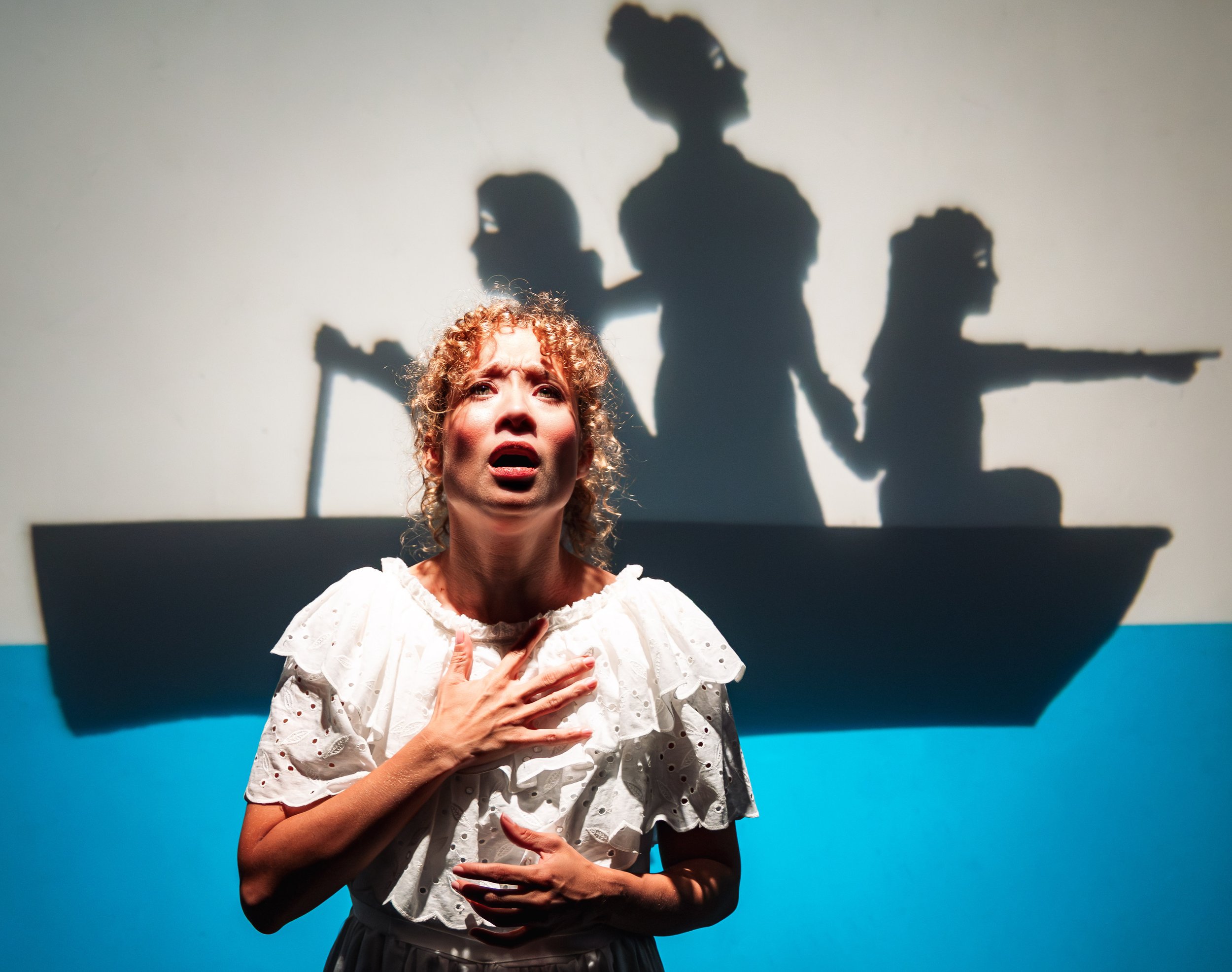
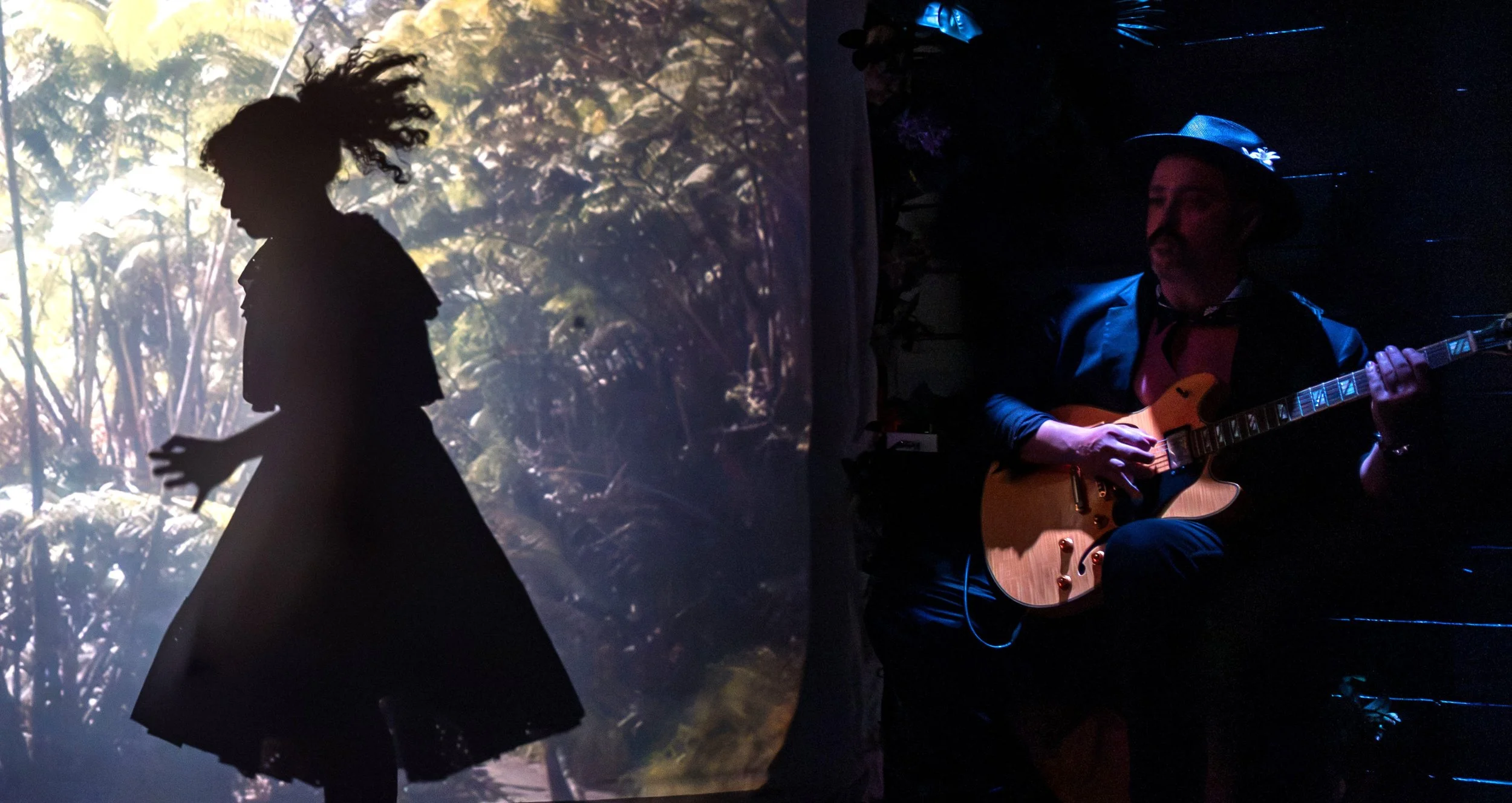
Even a powerful story can become more compelling when told through the traditions of its culture. Such is the case with Samantha Blain’s new play Isla, which embraces puppetry, music and magical realism to tell, in 75 minutes, a story of how Blain’s family fled Cuba. The world premiere production is a bilingual shadow play with beautiful, lilting songs, accompanied by guitarist Claron Hayden. All the artistic elements come together in a wonderful, multifaceted production.
The story unfolds in four parts: The Return, in which personal remembrances introduce the playwright’s family; The Vision, featuring dream sequences of birds, creatures, and flora; The Decline, showing changes in the lives of the characters before and after the Cuban revolution of 1959; and The Departure, capturing the emotional turmoil facing the country and the sisters as they emigrate to the United States.
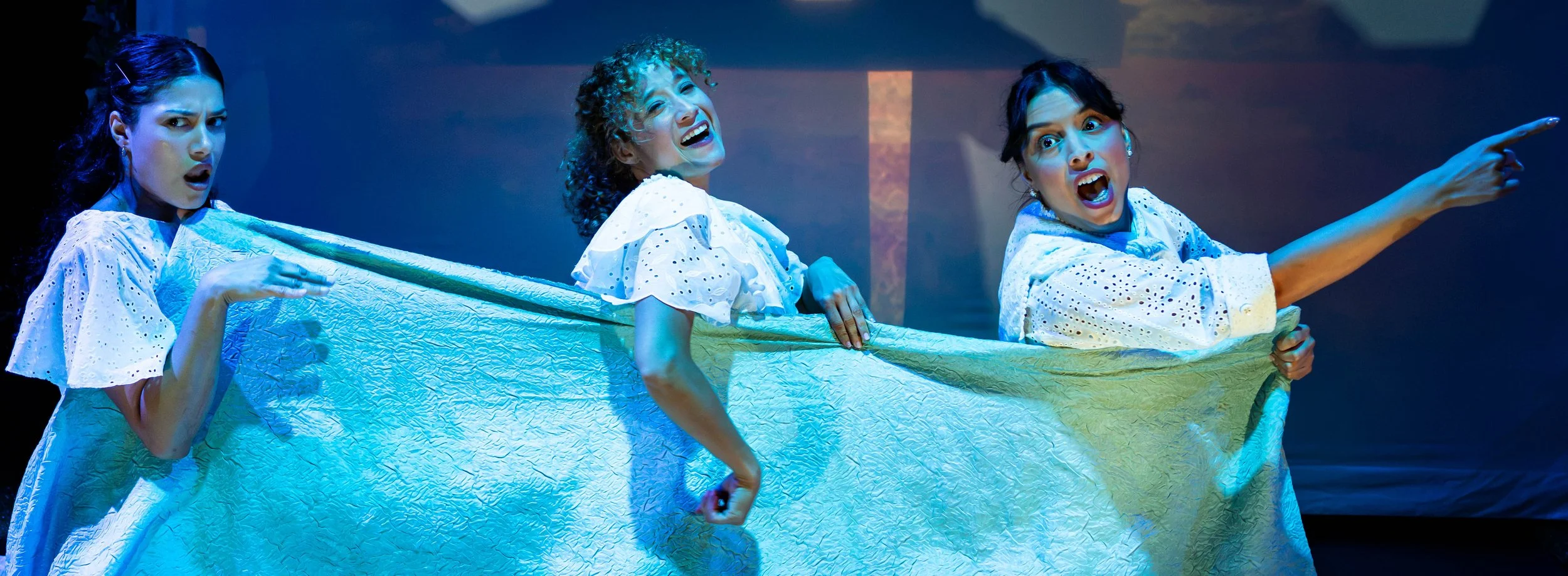
Throughout these sequences, the sisters—Blain as LuLu, Daniela Delahuerta as Carmen, and Tiffany Iris as Alina—are the key characters. The women perform as a trio. They sing in harmony and glide gracefully barefoot about the stage and behind the triptych. They “fight” playfully, tugging at fabric, and at other times wrap themselves in a warm embrace, showing the strength of their bond.
Daniela Delahuerta (Carmen) expresses her doubts about leaving Cuba and family.
The Return introduces the family through personal remembrances, as in the song “Mi Isla”:
Mi Corazon es me familia
Support and love, not
Unfamiliar
Just watch me.
Directors Roman Sanchez and Mikayla Stanley brilliantly use shadow puppetry to complement and enhance the story, illustrating and animating the action of the script.
Puppetry is a traditional art form in Latin culture; in Cuba it was supported by the government after the revolution, leading to the creation of the Teatro Nacional de Guiñol (TNG), or National Puppet Theater. The play’s creators wisely recognize its importance.
In The Decline segment, for instance, the shadow puppets project the grim realities of the revolution of 1959, showing changes in the lives of the characters before and after it:
Everything went into decay. It was as if uh...if uh...
You couldn’t bring any money. God forbid, you have money, you’re in trouble, you get arrested.
But if you don’t pay, you gotta leave.
The segments feature marching armies, bombs and explosions, rotting fruit, children forced to work in fields, and the sisters sailing away from their home in a tiny boat. Although somewhat cartoonish, the puppets powerfully capture the emotional toll of forced emigration. So essential is the puppetry that Isla’s puppeteers—Casey Scott Leach, Erica Knight, and Jessie March—take a well-deserved curtain call.
Three sisters, Tiffany Iris (Alina), Samantha Blain (Lulu) and Daniela Delahuerta (Carmen) harmonize about their sisterhood. Photographs by Rebecca J. Michelson.
The other Latin element used to great effect is magical realism, most notably associated with Nobel Prize–winning Colombian novelist Gabriel García Márquez and his One Hundred Years of Solitude. Isla exists in a place where crocodiles are used to disarm weapons and creatures scamper about, stealing pencils and a notebook.
In addition to recorded interviews with family members, a tapestry of images is projected onto a wide screen divided into a triptych. At times, three-dimensional puppets scamper across the stage and then appear as two-dimensional projections of themselves. Then the cast steps behind the triptych and joins the two-dimensional world. As magical realism dictates, this transformation is perfectly natural and unexplained as part of the story. It just is.
Guitarist Claron Hayden adds soulful accompaniment to Isla’s story.
The final segment, The Departures, reflects the emotional turmoil facing the country and the sisters as they emigrate to the United States. In a recorded interview, they recall their feelings:
I had big trauma. I left my home, I left my country, my parents.
Let’s put it this way, praise the lord that nothing ever happened to us. Pfft.
Terror. Political terror. Personal terror.
All these elements—music, cast performances, recorded interviews with family members, lighting that captures and shifts moods, multimedia projections, silhouettes of family and the cast, and flowing fabric used to create the illusion of waves as the girls sail away—blend joyfully into a shared vision.
As Blain explained at the start, her wish was to share her stories with her daughter, which she did. Thankfully, she also shared her story with the audience.
Hit the Lights! Company’s production of Isla runs through Aug. 29 at WP Theater (2162 Broadway at 76th). Evening performances are at 7 p.m. Wednesday through Sunday (no performance Aug. 20); matinees are at 2 p.m. Sundays; an additional youth performance is set for 2 p.m. Aug. 1. For tickets and additional information, visit their program here.
Creators: Hit The Lights! Company & Samantha Blain
Directors: Roman Sanchez & Mikayla Stanley
Composers: Samantha Blain & Claron Hayden
Puppetry: Casey Scott Leach, Erica Knight & Jessie March
Lighting design: Vittoria Orlando
Costume design: L.A. Clevenson
If you enjoyed this review, please click on the Like icon below.

The Winter’s Tale
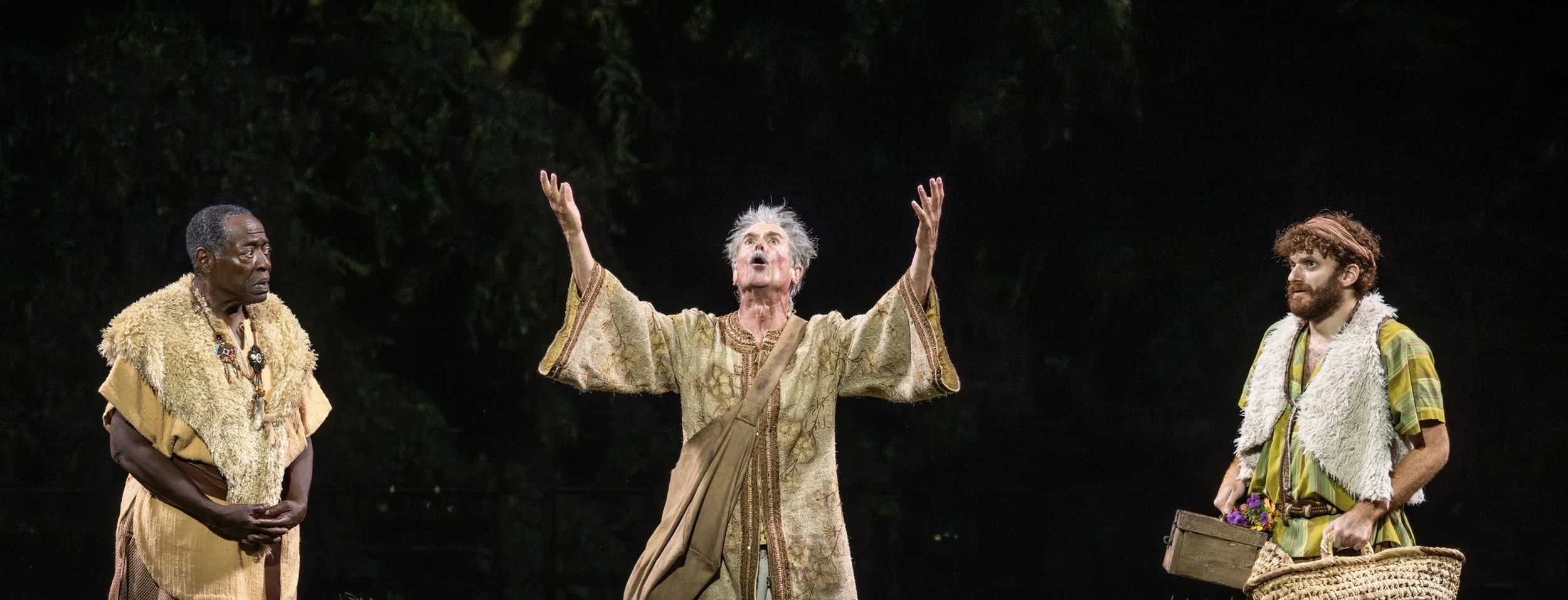
“A sad tale’s best for winter,” says Mamillius, the young son of Leontes and Hermione, king and queen of Sicilia, in Shakespeare’s late play The Winter’s Tale (ca. 1610). Mamillius may be right, but a sad tale can also work on a sweltering night in Central Park, as Daniel Sullivan’s no-frills, emotionally intense staging demonstrates.
The Pass
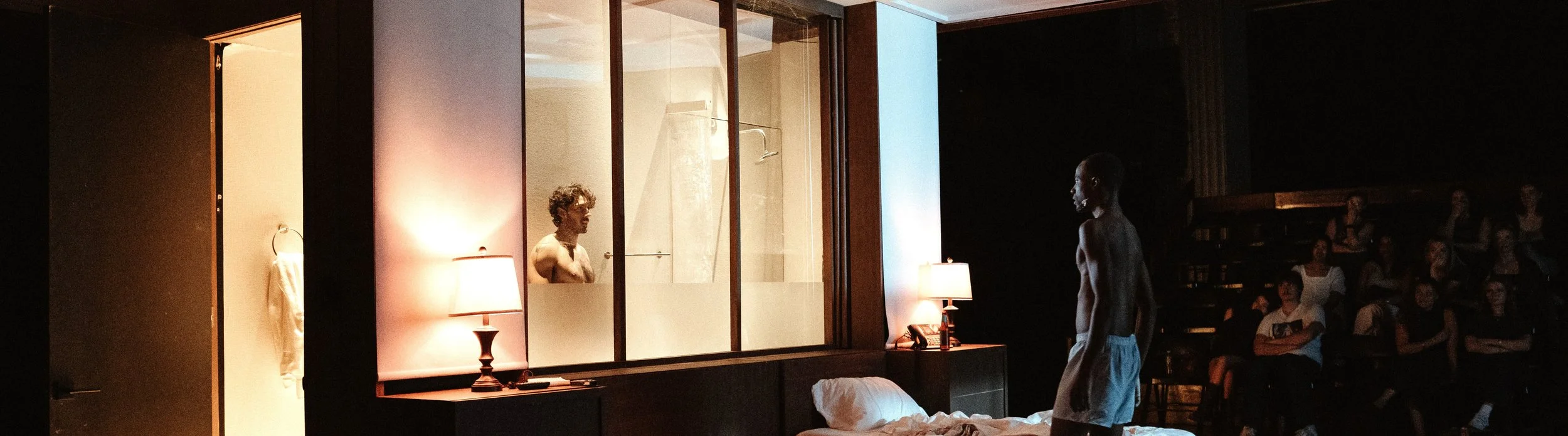
In John Donnelly’s The Pass, directed by Max Hunter, two rising British soccer stars confront the volatile intersection of masculinity, desire, and celebrity when a hotel-room encounter threatens to upend their carefully constructed futures. Spanning 12 years and three hotel rooms, this provocative drama tackles the high stakes of being young, ambitious, and closeted in a world where the pressure to perform extends far beyond the playing field.