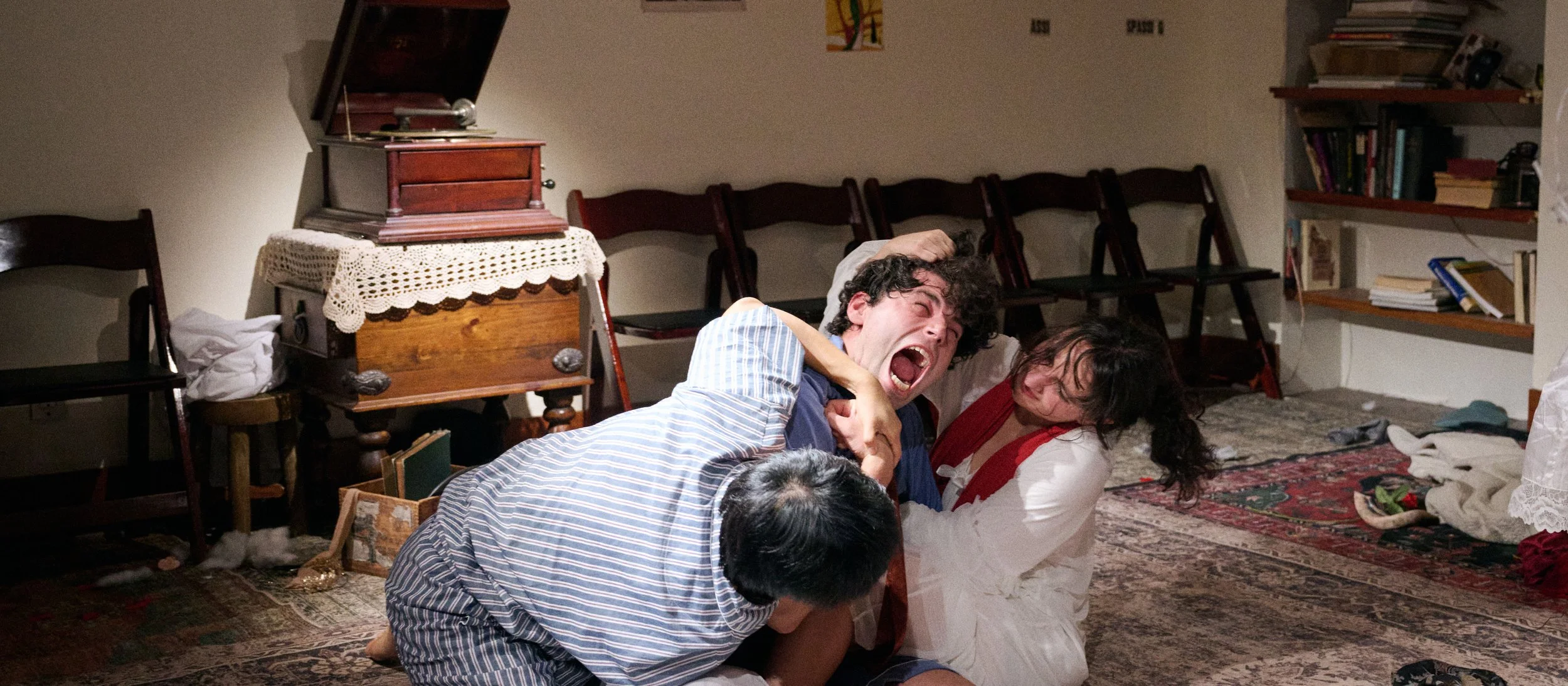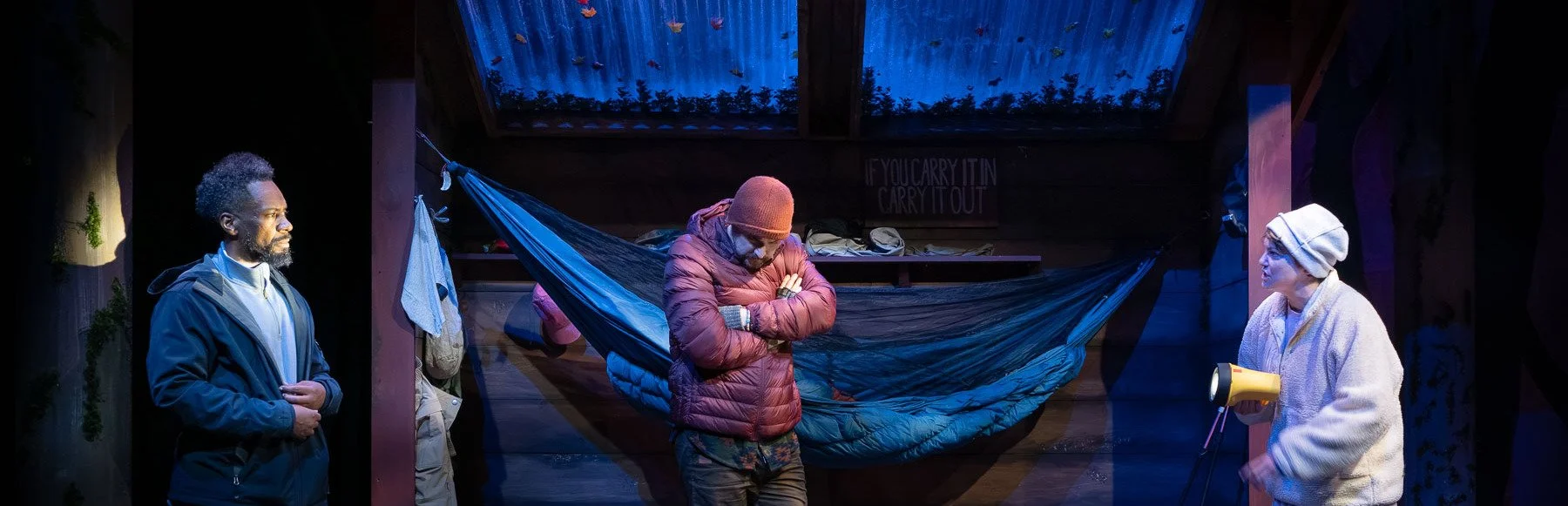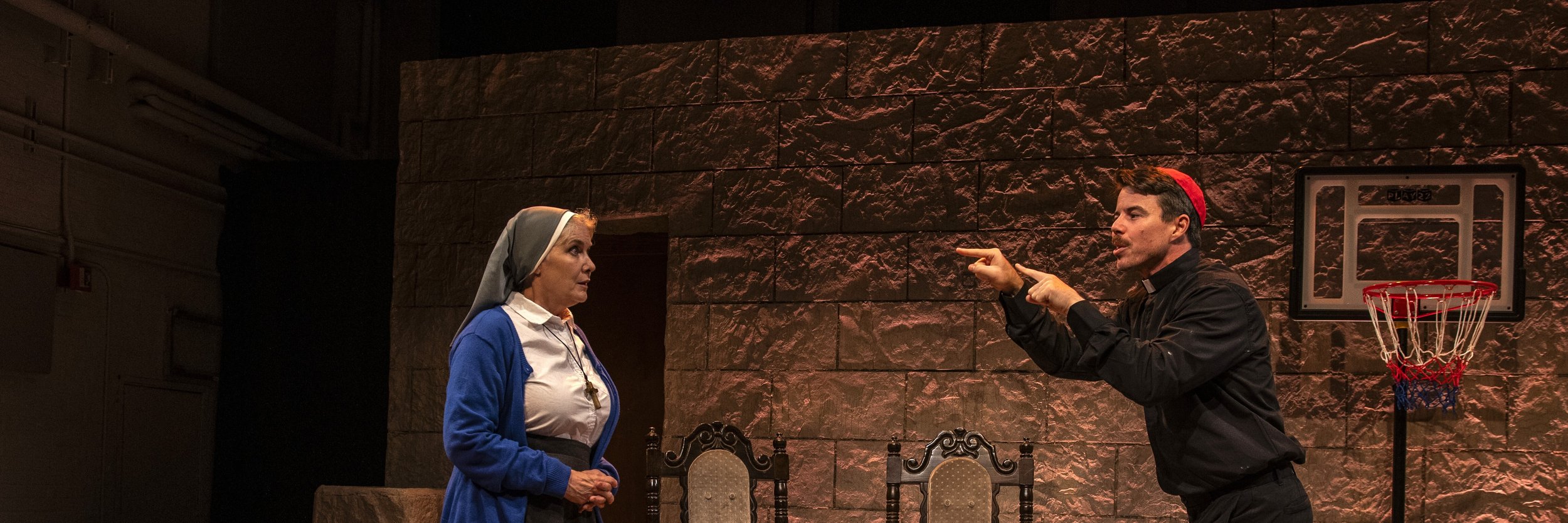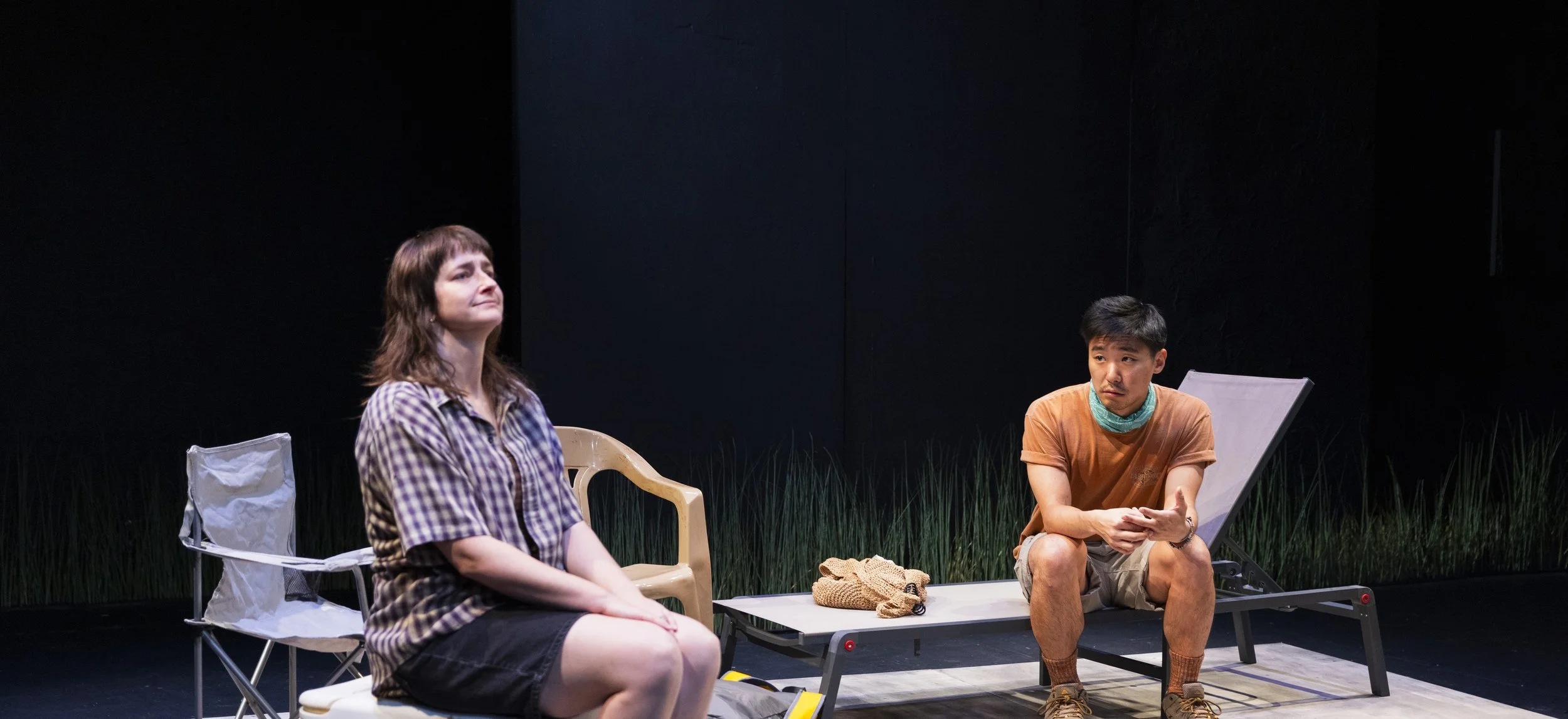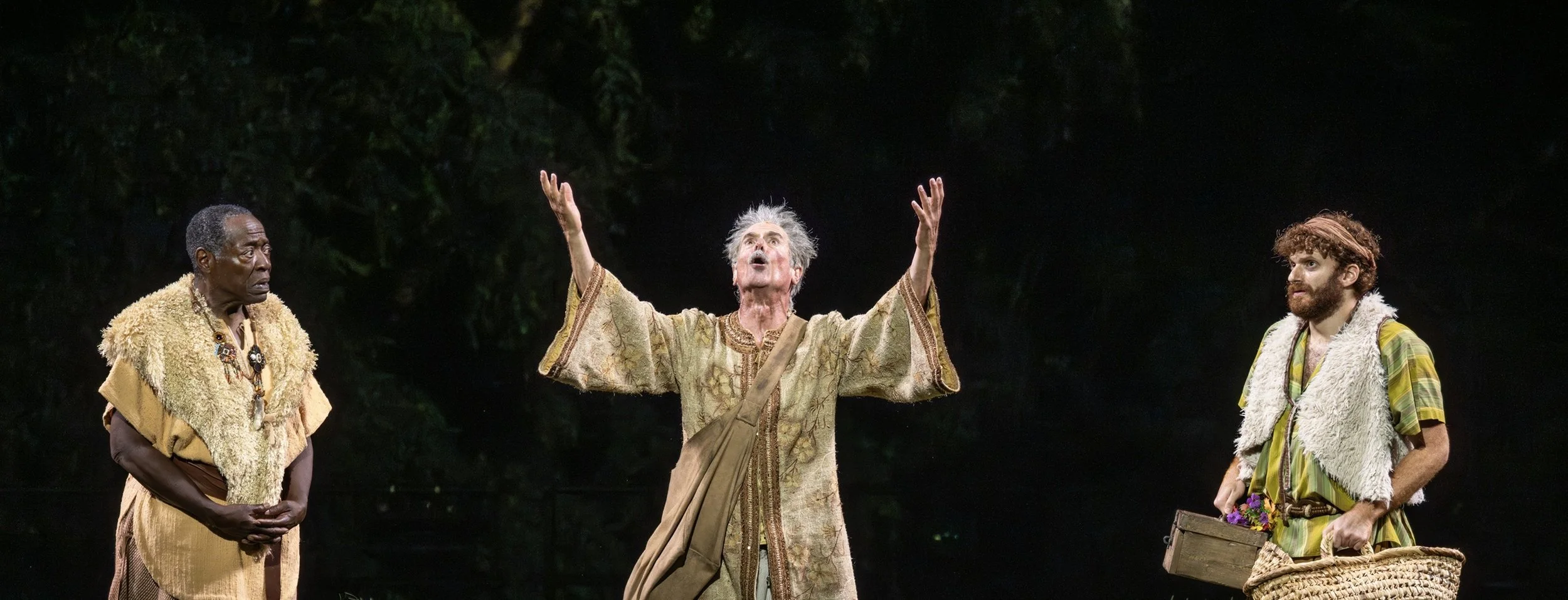
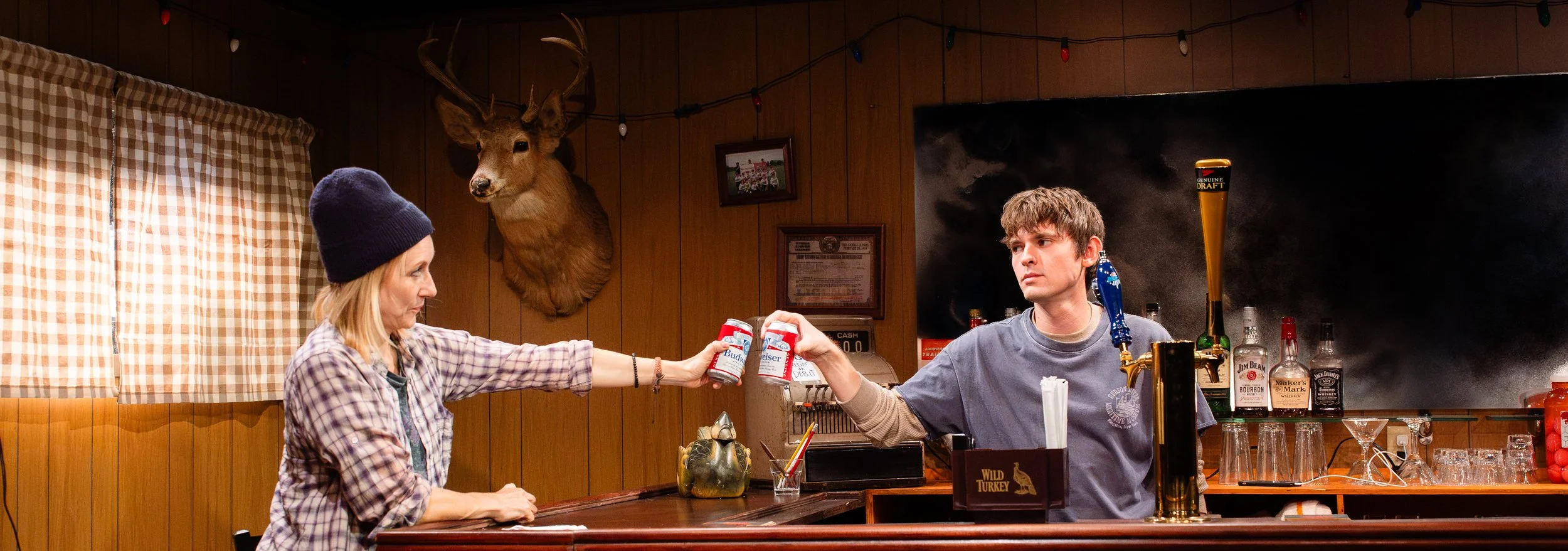

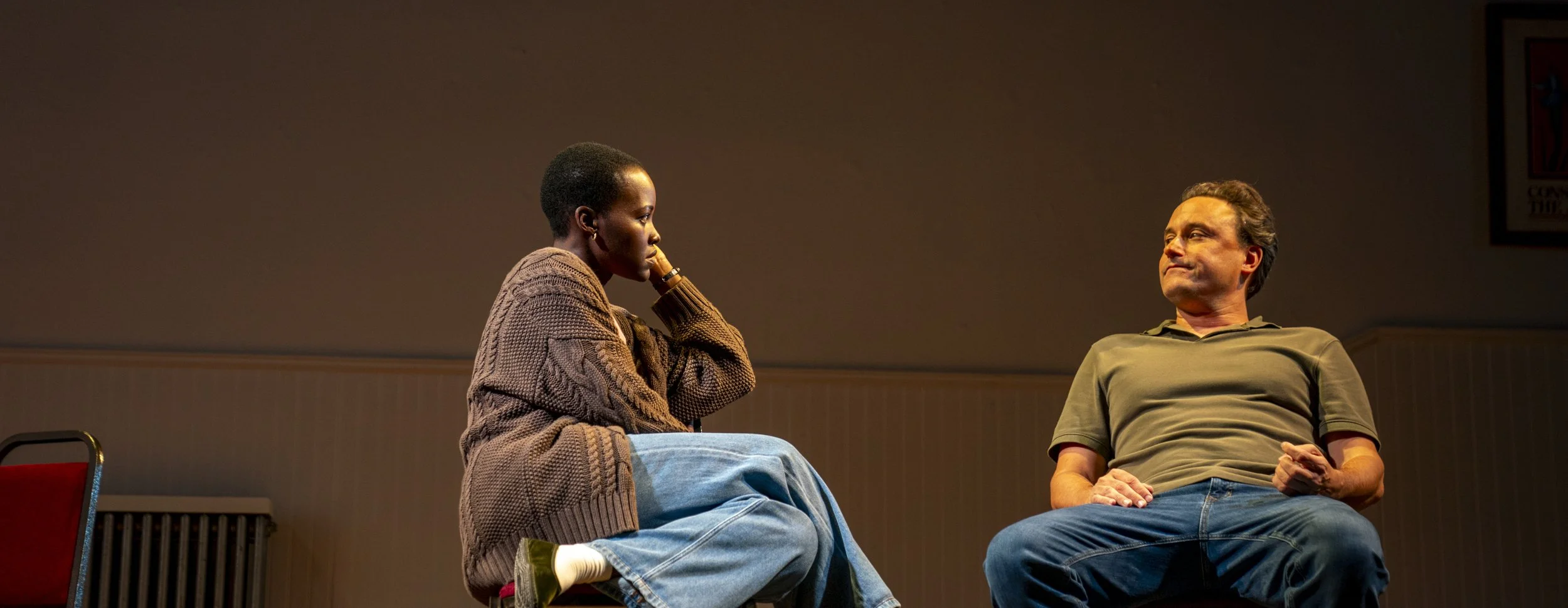


A few playgoers in fin de siècle Moscow may have spotted flecks of genius in Ivanov, Anton Chekhov’s early mix of farce, melodrama, and slapdash tragedy. Initially unsuccessful, this play is now revived from time to time, often in adaptations by contemporary playwrights with high name recognition, such as Tom Stoppard. It’s unlikely anyone in 1887, when the play premiered, imagined that the country physician who wrote Ivanov might cap his career, 16 years later, with a work—The Cherry Orchard, of course—so compassionate and original that it would be a benchmark for dramatic storytelling over the next century.
Jesa
Jeena Yi’s Jesa is both familiar and fresh. The play revolves around a family reunion where secrets, resentments and accusations are aired—that classic motif in American drama. But Yi combines it with something rarely seen on U.S. stages: an immersion in Korean cultural traditions.
Monte Cristo
Boasting a top-notch cast and a bona fide writing team, Monte Cristo, the York Theatre’s new musical, appears to be a guaranteed hit. Based on Alexandre Dumas’s classic novel The Count of Monte Cristo and Charles Fechter's play of the same name from 1848, the work seems a natural choice for musicalization. Its depictions of romantic heroism, retribution, and redemption are the core elements of other French masterpieces turned musicals, such as Les Misérables and The Phantom of the Opera. Yet, for all its pedigree, Monte Cristo is a major disappointment. It lacks the sweeping grandeur, the bombast, and the unapologetic sentimentality that have transformed its predecessors into long-running, billion-dollar enterprises.
Burnout Paradise
Pony Cam’s Burnout Paradise is a madcap smorgasbord of actions that are tied together by a final aim: complete a number of tasks in a certain amount of time, all while walking on a treadmill. Part performance art, part physical theater, the show opens with four performers—Claire Bird, William Strom, Dominic Weintraub and Hugo Williams—on treadmills under a large screen displaying the words “Warm Up.” A soft, muttering soundscape (created by the ensemble) floats through the air, offering thoughts on greatness—“If greatness doesn’t come knocking on your door, you should go knocking on its door.”
My Joy is Heavy
In My Joy is Heavy, a raw yet warmly disarming musical memoir, musician-actors Abigail and Shaun Bengson open the doors of their family life and loss to the audience. Under the sensitive direction of Rachel Chavkin, the production blurs the boundary between stage and house, transforming private grief into a communal—and unexpectedly joyful—theatrical encounter.
Trash
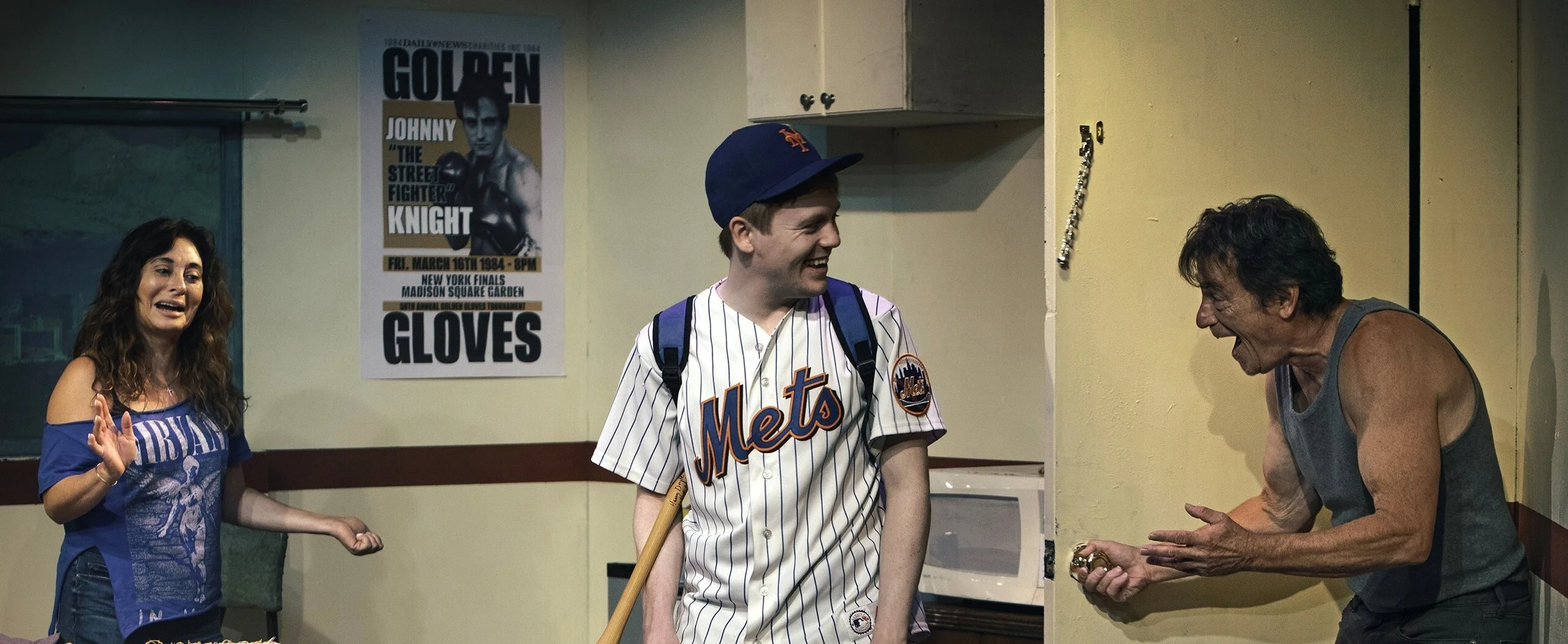
The engaging Trash embellishes a common New York story of two roommates in conflict by adding an important twist, as well as a variety of theatrical tricks, including audience participation. The Deaf creators and lead performers, James Caverly and Andrew Morrill, hold out occasional lifelines to a hearing audience via projections, a talking jukebox, and a character who isn’t Deaf, but just as often they speak in American Sign Language (ASL). Lest anyone balk at that, a good deal of the ASL portions are no more challenging than interpreting gestures in a silent film.
Ulster American
Ulster American, David Ireland’s reworking of his 2016 play, wants to shock from the moment it begins, with two ostensibly progressive white men discussing whether it’s acceptable for white people to reclaim the N-word as their own. The play seems to position itself as a no-holds-barred satire, steeped in the cynicism of David Mamet and Martin McDonagh. But what exactly is being satirized and to what end? A rare miss for the Irish Rep and for the great Ciarán O’Reilly, who directs, Ulster American never moves past the surface of its faux-bad-boy persona; it’s a satire too lazy to be satirical and with humor too juvenile to actually offend.
About Time
There are, a variety of sources have it, no legitimate rhymes for “orange.” But get a load of: “Yes, I know it feels foreign/ Just to suck a week-old Mandarin orange.” In About Time, the new revue at the Marjorie S. Deane, Richard Maltby Jr. does it. And he’s 88.
Macbeth
The Frog & Peach Theatre Company—fancifully named for a classic comedy sketch by Peter Cook and Dudley Moore—has been producing William Shakespeare’s plays on shoestring budgets for three decades. Currently, this scrappy Manhattan troupe is promoting its presentation of Macbeth with the tag line: “What if a madman were king?” That’s cheeky marketing that captures the directorial vision of Lynnea Benson, who’s at the helm.
Calf Scramble
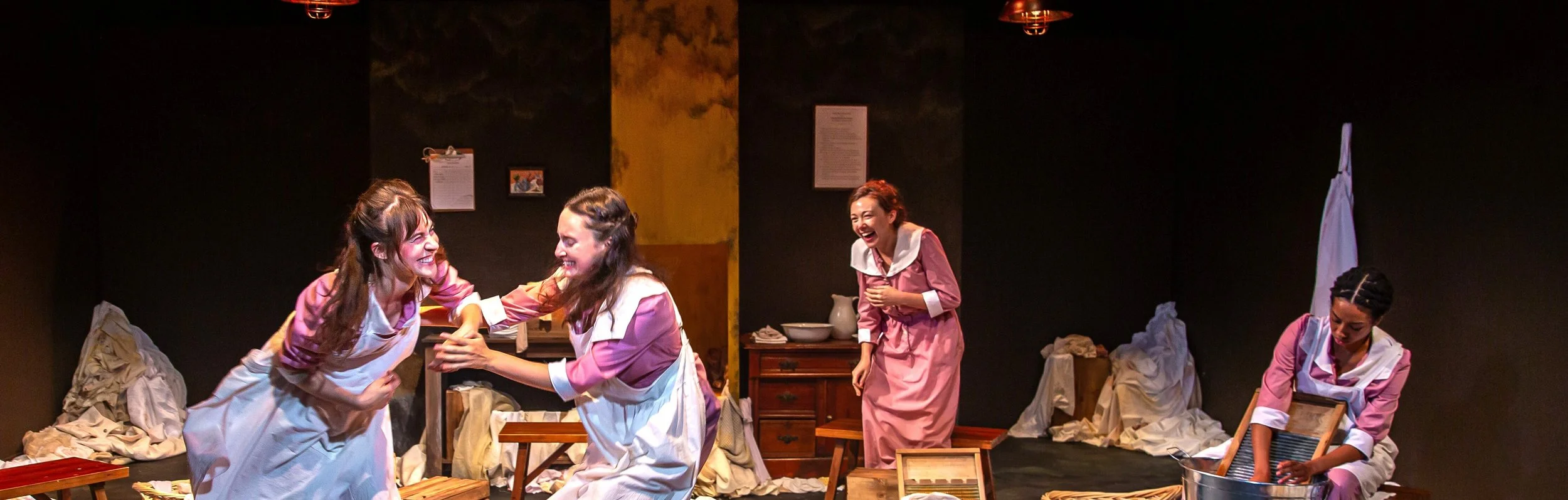
Calf Scramble, the title of Libby Carr’s dynamic new work, is a double entendre. On one hand, it is an event, familiar to many a rodeo goer, that features teens chasing and roping calves to take home and raise as potentially profitable livestock. On the other hand, it is a fitting description of the play’s intent. Five high school girls find themselves as penned in by their circumstances as the calves are by their metal fences. The animalism of humans becomes jumbled with the humanity of animals, and if, at times, Carr lays on the symbolism with a heavy hoof, one must remember that the play is set in Texas, where everything is bigger, including the metaphors.
Cold War Choir Practice
It’s 1987 and the Cold War is in the air at Roll-a-Rama in Syracuse, N.Y. Ten-year-old Meek (Alana Raquel Bowers) lives above the family business with her former Black Panther father, Smooch (Will Cobbs), and grandmother Puddin (Lizan Mitchell). When she’s not shoveling snow in exchange for candy, Meek is occupied with stocking her fallout shelter and singing in a Cold War–themed children’s choir, the Seedlings of Peace, much to her father’s chagrin. This is the world of Ro Reddick’s Cold War Choir Practice. What’s exciting about this play is that it feels sui generis: it’s part farce, part family drama, part surreal global-political meditation, and part musical.
Dust of Egypt
Dust of Egypt: The Story of Sojourner Truth dramatizes a little-known chapter in the famed abolitionist’s life when, as a young mother, she fought to rescue her 5-year-old son after he was illegally sold down South. Karin Abarbanel’s play turns this legal battle—the first time a Black woman successfully sued a white slave owner—into a stirring portrait of maternal courage and moral defiance.
The Amazing Sex Life of Rabbits
Many elements of Michael Shaw Fisher’s comedy The Amazing Sex Life of Rabbits remind one of other works that use the familiar trope of a childless couple, unable to conceive, going to extreme lengths to become parents. Here, the factors that decide the deal are typical of the darker riff on the Golden Rule—i.e., “Whoever has the gold, makes the rules.” In Fisher’s 75-minute show at the Fringe Encore Series, fanciful variations on the trope provide enough laughs to forget today’s economic disparities.
Spare Parts
Playwright David J. Glass also happens to be a biomedical scientist with an expertise in age-related loss of muscle mass. So it is not a shock that his new work of science fiction, Spare Parts, is concerned with the limitations of growing old. What is more surprising is that the protagonist at the center of these medical proceedings has a plan for creating life that Doctor Frankenstein would envy, along with a thirst for blood motivated by desires in the vein of Count Dracula.
Zack
Last fall the Mint Theater revived Sally Carson’s Crooked Cross (1935), a warning about encroaching fascism—sadly relevant once again. Its current production, Harold Brighouse’s Zack (1920), is less overtly political but offers its own quiet consolation: a romantic-comic parable in which everyday kindness and decency triumph over avarice and cruelty.
Our House
Barry Boehm’s play Our House deals partly with family strife—a staple of American drama for a century—with the added difference that four of the six characters are gay. A long night of drinking and drug-taking puts it squarely in the vein of Long Day’s Journey into Night and Who’s Afraid of Virginia Woolf?, a show in which one of Boehm’s characters happens to be starring, in a community theater production. More particularly, the primarily gay characters echo any number of engaging dramas, from The Boys in the Band to Love! Valour! Compassion! to My Night with Reg.
Silver Manhattan
Silver Manhattan, a modestly scaled musical about guitarist-singer Jesse Malin that was recently workshopped at the Gramercy Theatre, has moved downtown to the Bowery Palace, a gemütlich arts venue that opened last month. At street level, the Palace is an upscale bar; the basement, previously a dance club, is now a cozy, 100-seat playhouse, ideal for Silver Manhattan.
Chinese Republicans
Four employees of investment bank Friedman Wallace gather for an “affinity group” meeting. Their affinity? They are women of Chinese descent. Yet Alex Lin chose to name her new play Chinese Republicans. Consider it the first sign of dissonance in Lin’s ineffectual script.
The Reservoir
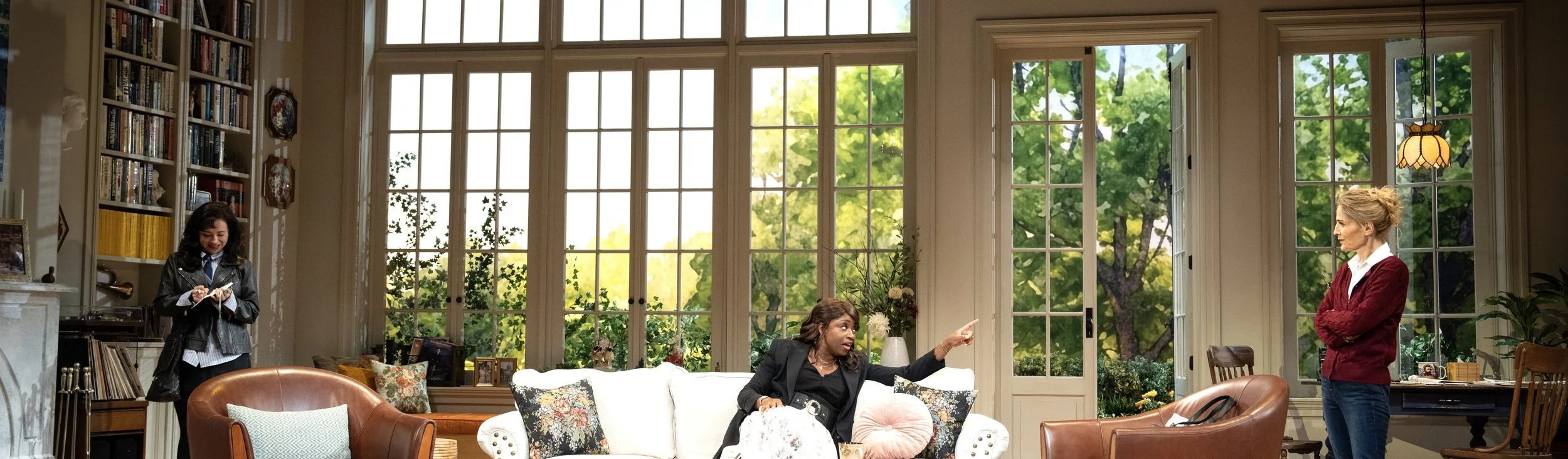
Josh, protagonist of Jake Brasch’s The Reservoir, is a New York University drama student and veteran blackout drunk. Careless and self-centered, Josh spreads pandemonium wherever he goes. Irksome as this conduct may be for those around him—especially his long-suffering mother (Heidi Armbruster), Josh is an audience charmer. Credit for that goes to Brasch’s wit and an adroit performance by leading-actor Noah Galvin. Yet the achievement of this production owes less to the comic capital of the central character than to the heartfelt depiction of Josh’s grandparents, embodied by four notable veterans of the New York stage: Caroline Aaron, Peter Maloney, Mary Beth Peil, and Chip Zien.
You Got Older
Clare Barron’s 2014 You Got Older is a comedy of many colors. In this revival at the handsomely renovated Cherry Lane Theatre, Freudian fantasy shares the stage with elements of a traditional rom-com, while gross-out jokes demand equal time against moments of heartwarming family humor. But primarily the intermissionless play is a bittersweet buddy comedy, a keenly observed tale of a sick father and the grown daughter who comes home to see him through his illness. Their sporadic bouts of bonding and awkward conversations provide comfort and support, even as their physical bodies and emotional losses betray them.