
Reviews, Mime
Deirdre Donovan
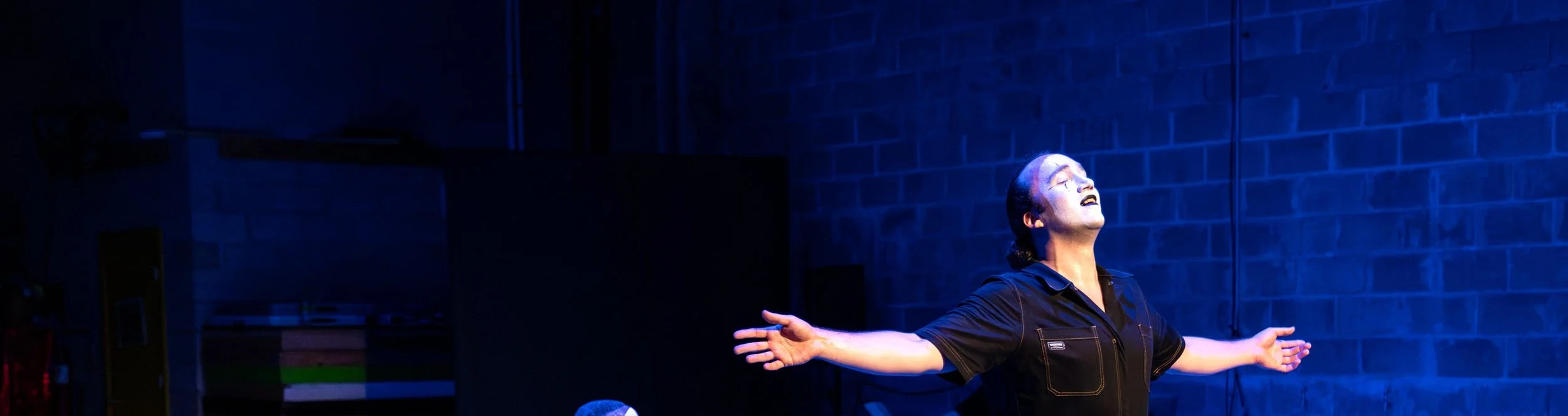
In Myth, directed by Becky Baumwoll, Broken Box Mime Theater transports audiences to a distant planet where two moons illuminate an alien world of strange flora, fauna, and unexpected possibilities. Through the expressive power of the body, the adventurous company uses speculative fiction to explore how we remember, revise, and sometimes forget the histories that shape our present.
Reviews, Puppetry, Solo Performance
Deirdre Donovan
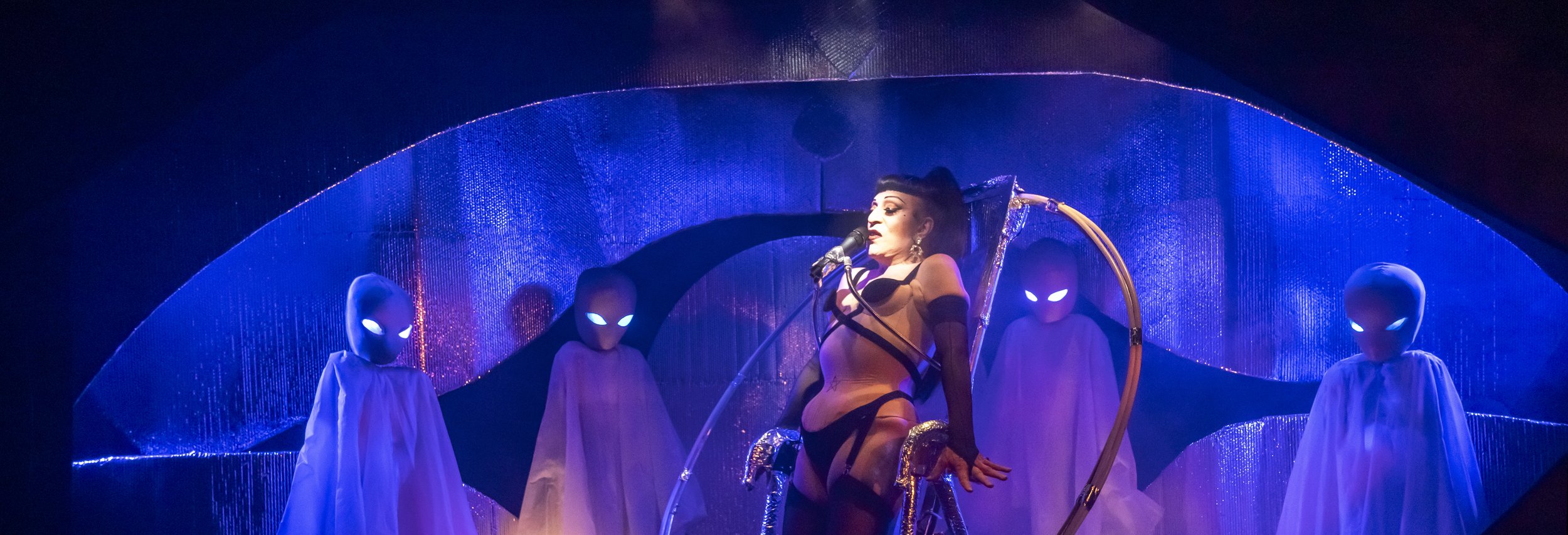
Nearly two decades after its downtown debut, Joey Arias and Basil Twist’s Arias with a Twist returns with its fusion of cabaret, puppetry, music, and performance art fully intact. Arias remains the show’s magnetic center, while Twist surrounds him with a visual world that proves this exuberant collaboration has lost none of its capacity to surprise.
Reviews, Solo Performance
Deirdre Donovan
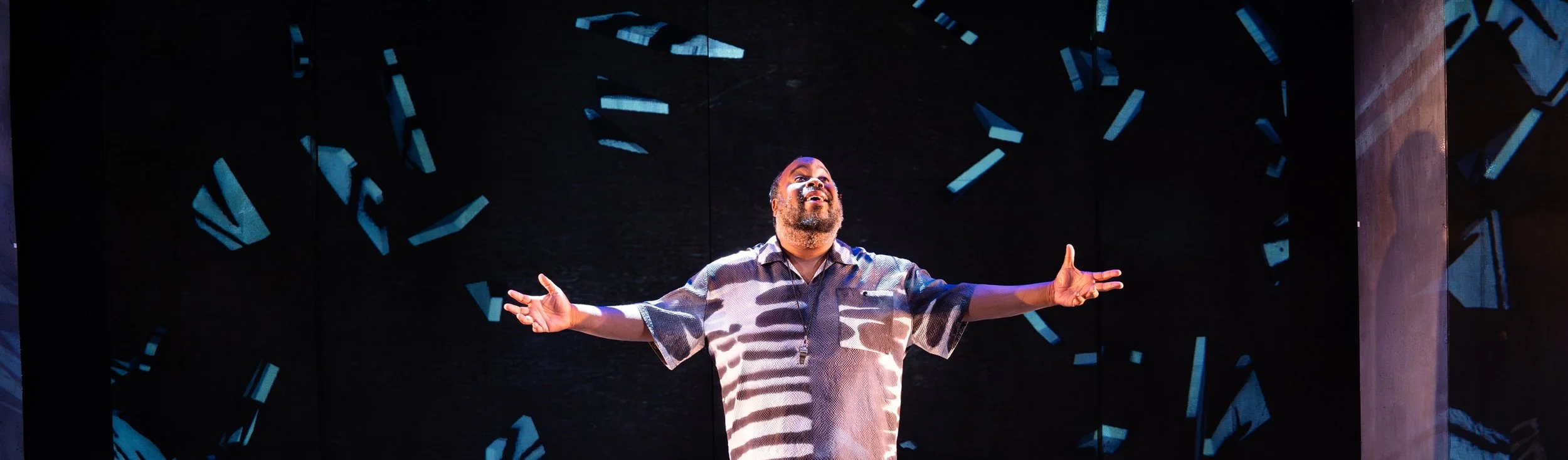
In How Shakespeare Saved My Life, Jacob Ming-Trent transforms the search for a place to belong into a riveting celebration of the power of language. Directed by Tony Taccone, this solo performance draws on Shakespeare, rap, poetry, and preaching to chart one man’s journey toward reclaiming his life.
Drama, Reviews
Edward Karam
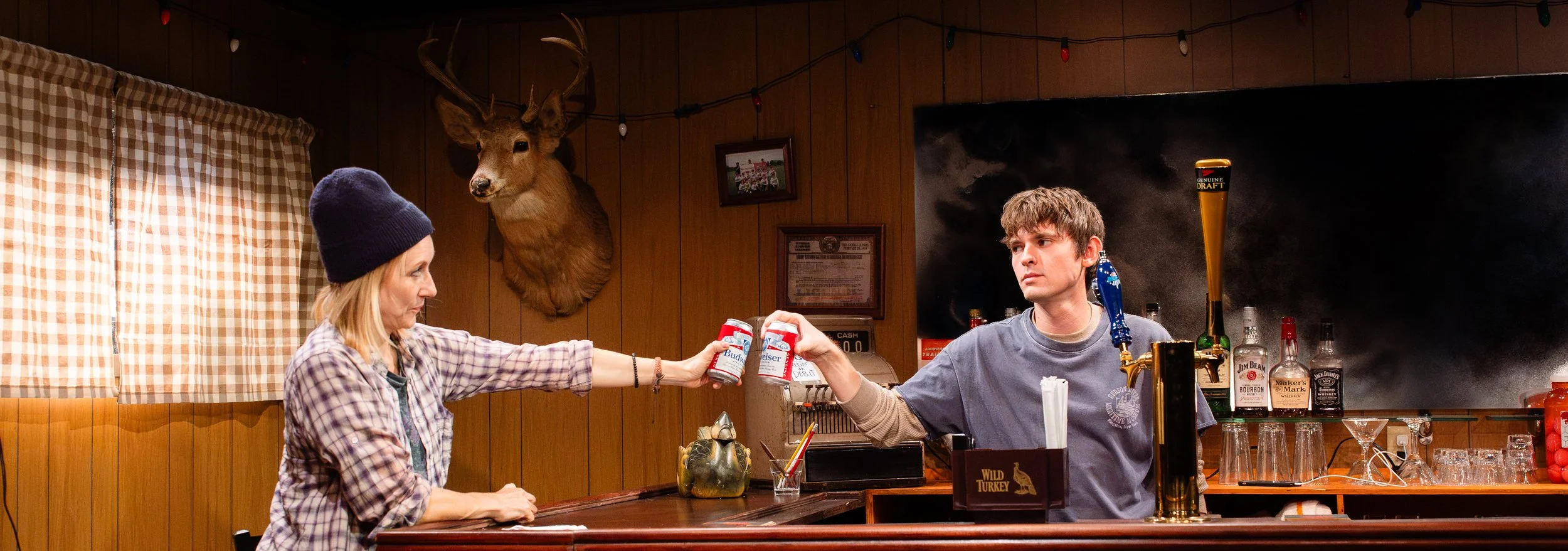
For the first two scenes of Max Wolf Friedlich’s The Holes, the intrigue builds carefully, as a bartender named Joey Alexander (Bubba Weiler) hangs around his cozy but empty establishment on a snowy night. He soon has a visitor, a man (Grantham Coleman) calling himself “Paul,” who hands him an envelope full of cash and an ID that identifies him otherwise: as someone named Wesley. The cash gains Wesley entrée into the back room of the dive bar—in spite of arriving long after his assigned time. “Next time don’t be late,” says Weiler’s stern Joey, adding, “12:24 is not the same as 11:30.” What is behind that door constitutes a mystery that drives the narrative of The Holes. Friedlich calls his play a “fairy tale,” but the gay-inflected twaddle that follows is a far cry from Hans Christian Andersen.
Reviews, Comedy, Experimental Theater, Immersive/Interactive
James Wilson
Avant-garde playwright Eugène Ionesco (1909–94) traced his love of theater to watching a Punch-and-Judy show in Paris’s Luxembourg Gardens as a child. He was enthralled by the puppets that “talked, moved, clubbed each other,” and the performances represented, he wrote, “the spectacle of the world itself . . . as if to underline its grotesque and brutal truth.” Igor Golyak’s Delirium, an adaptation of Ionesco’s 1962 play Délire à deux (Frenzy for Two), captures this signature blend of slapstick domestic squabbling while highlighting the human penchant for destruction and barbarity.

Newsletter Block
This newsletter signup form needs a storage option. Edit the block and enter a storage location via the Storage tab.