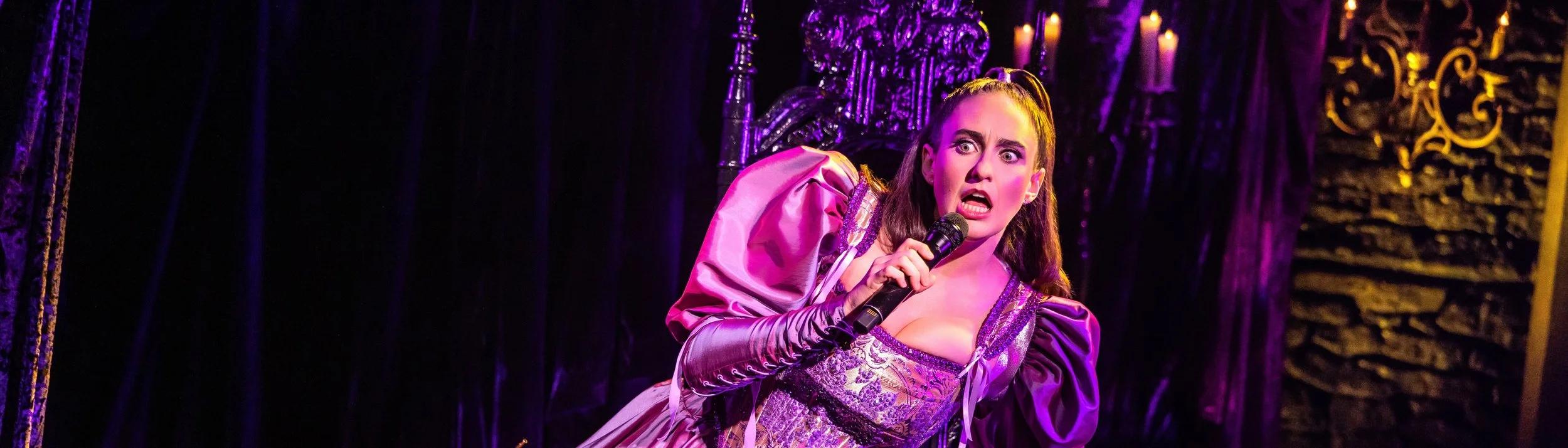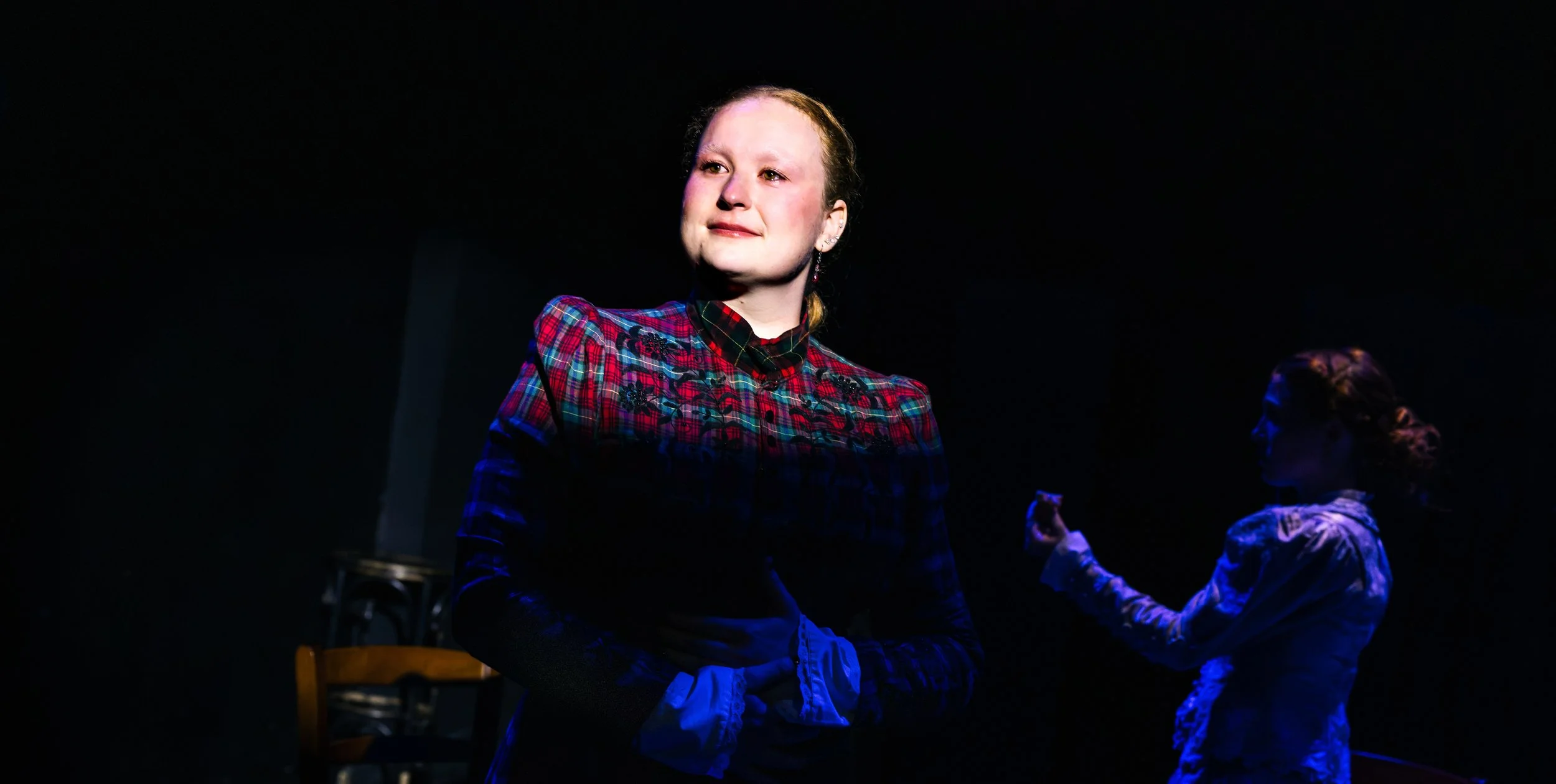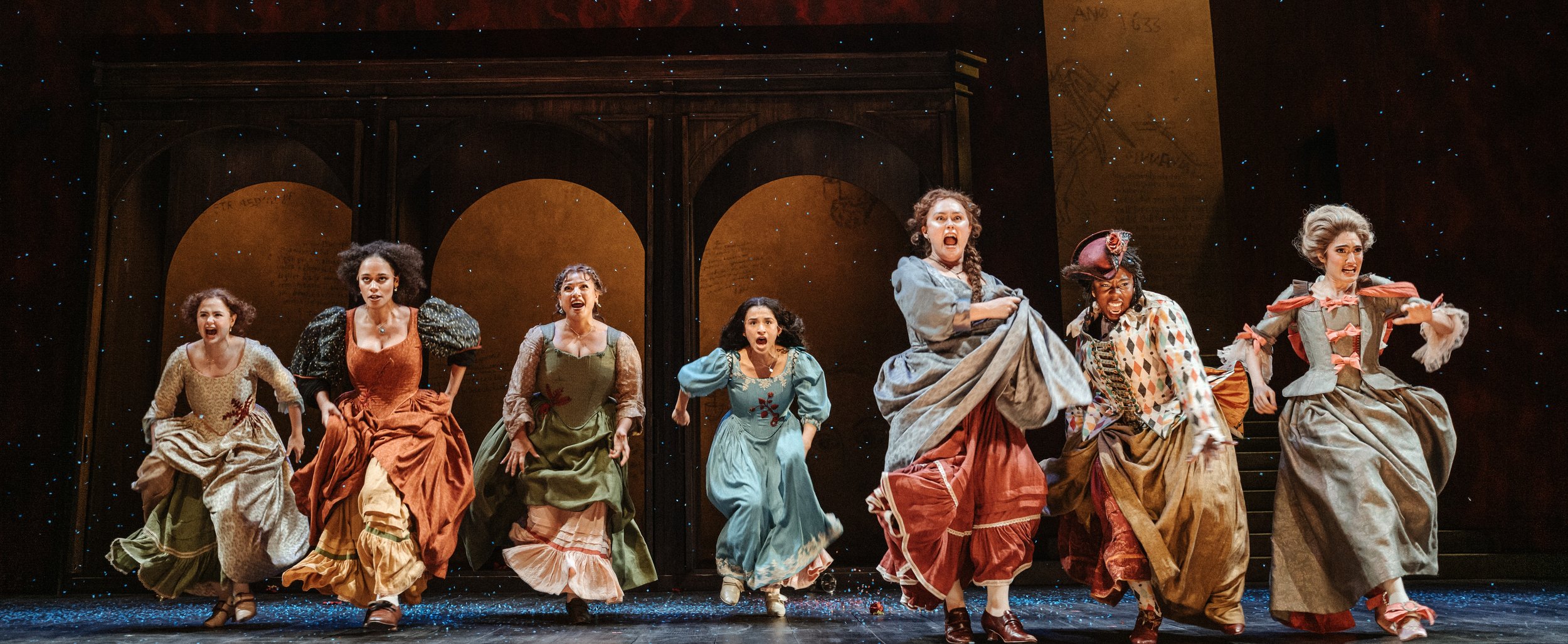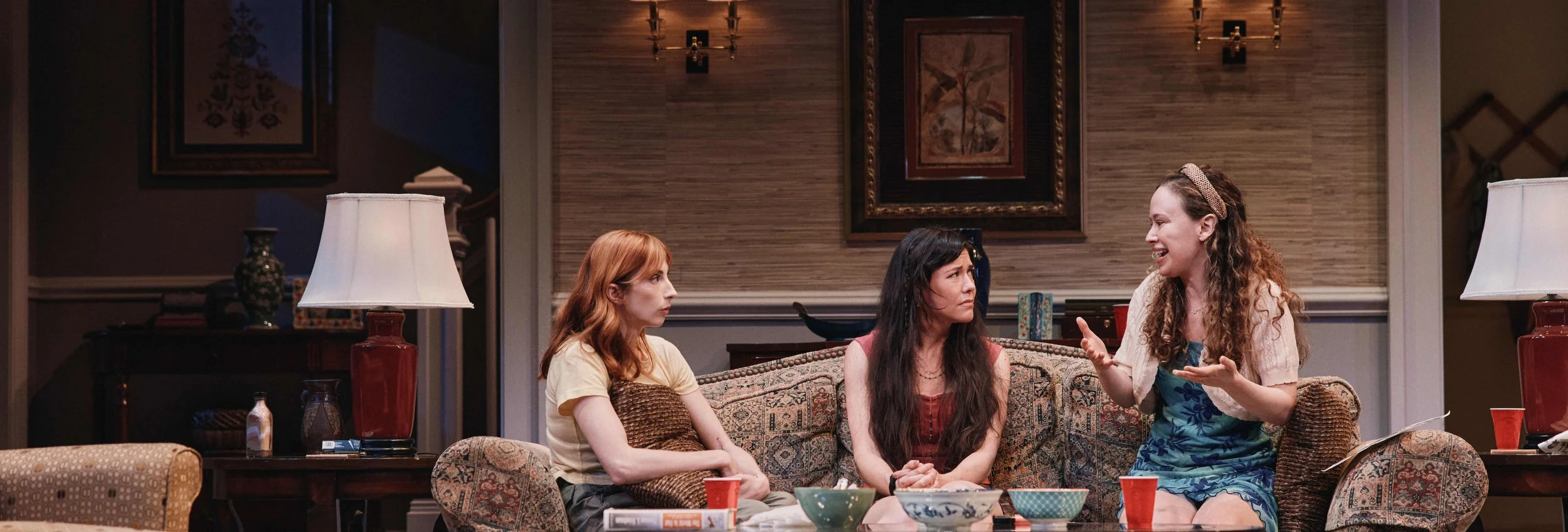
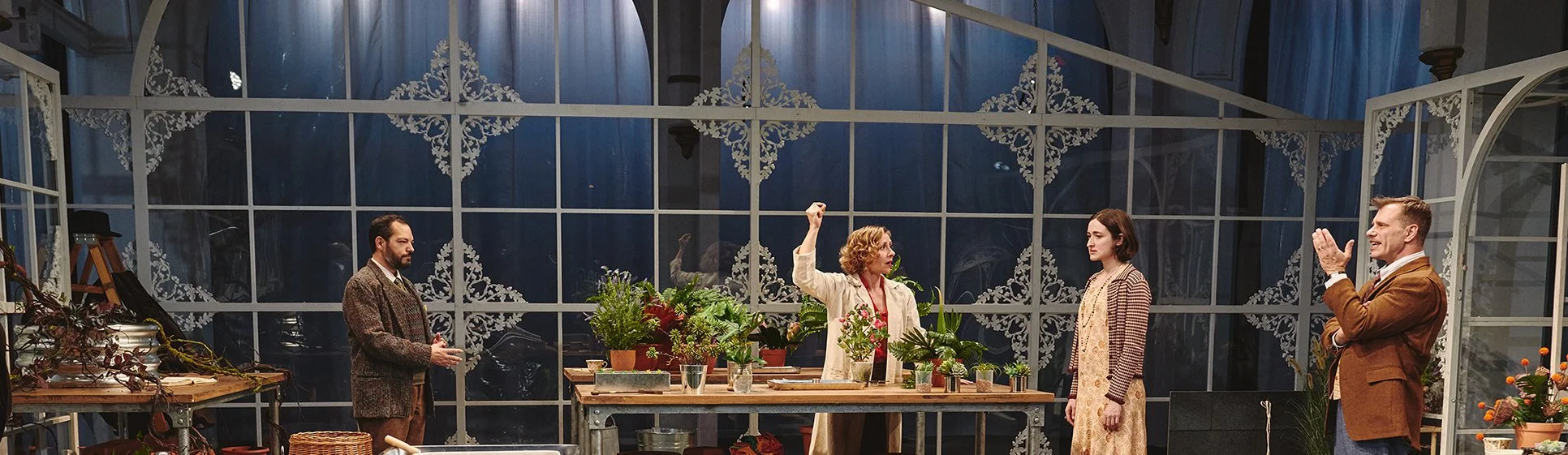
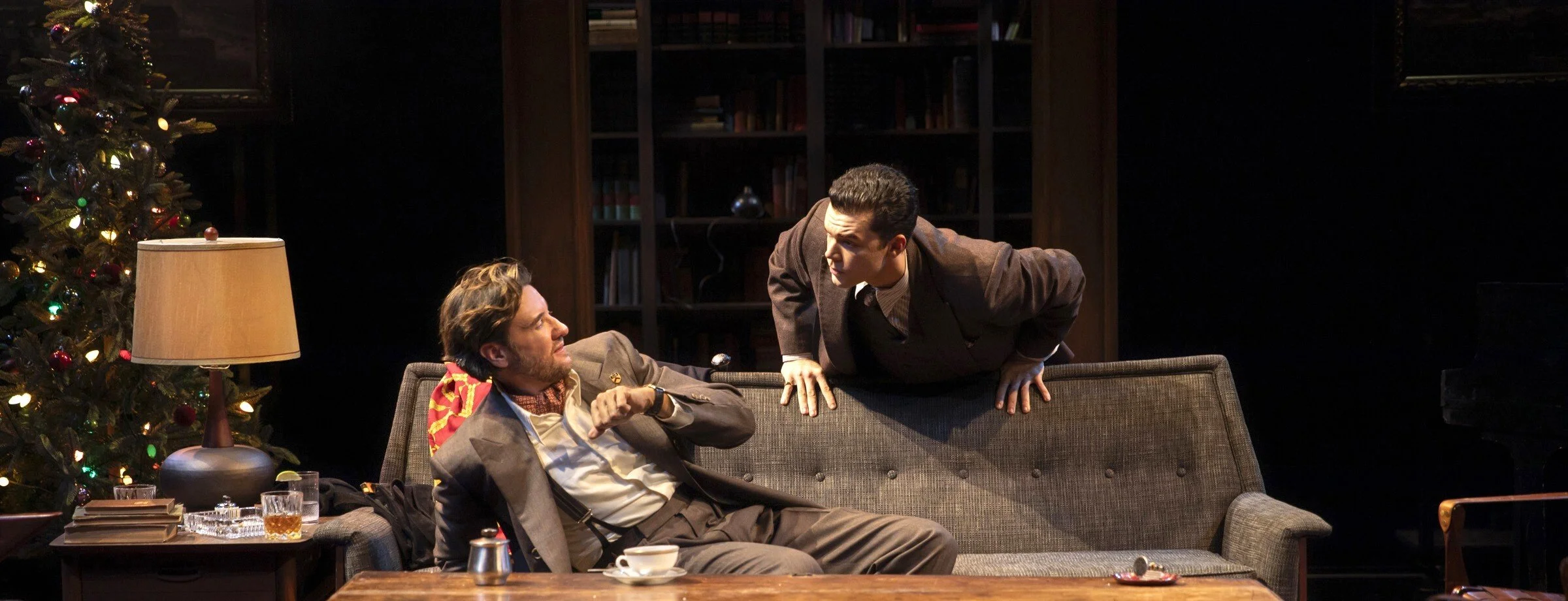
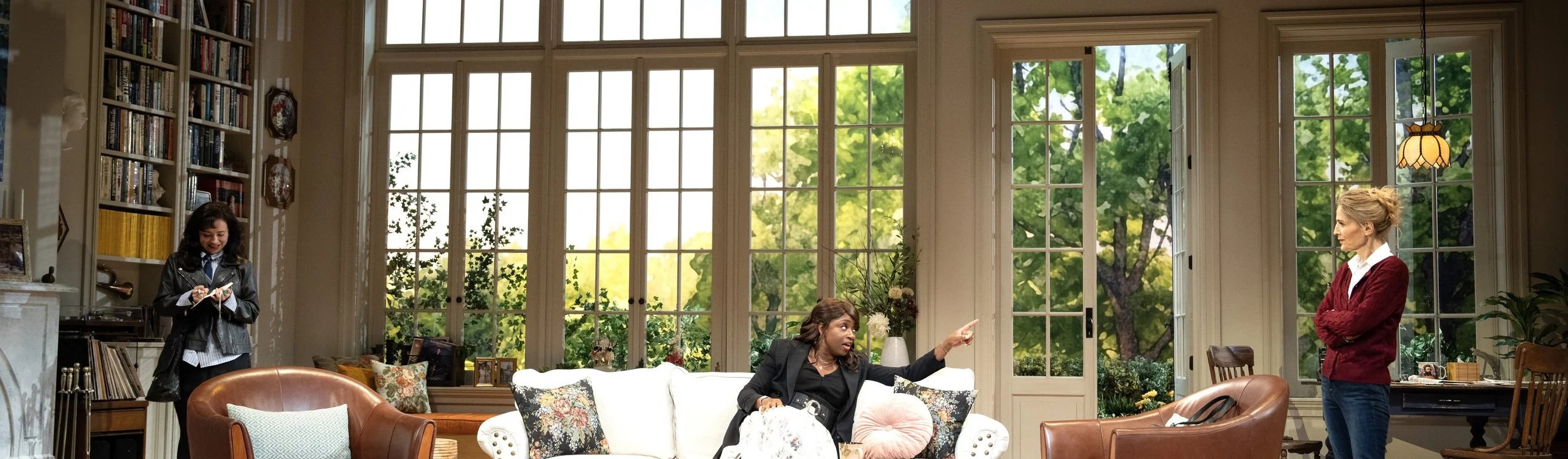
La Femme Theatre Productions, dedicated to “exploring the female experience through classic and contemporary plays,” is presenting the first New York revival of Wendy Wasserstein’s An American Daughter. This largely forgotten play premiered on Broadway in 1997 with a first-rate cast, including the late Lynne Thigpen, who won a Tony Award for her superb performance as the protagonist’s best friend Judith. It closed after a paltry 89 performances. The revival, directed by Sarna Lapine, utilizes post-Broadway revisions by Wasserstein, who died in 2006 at age 55. The script-tinkering hasn’t fixed the problems of the original, and it undermines what Wasserstein accomplished in this not-so-bad high comedy, which, in the late 1990s, was timely and diverting (though it fell far short of the political heft she had intended).

Isla
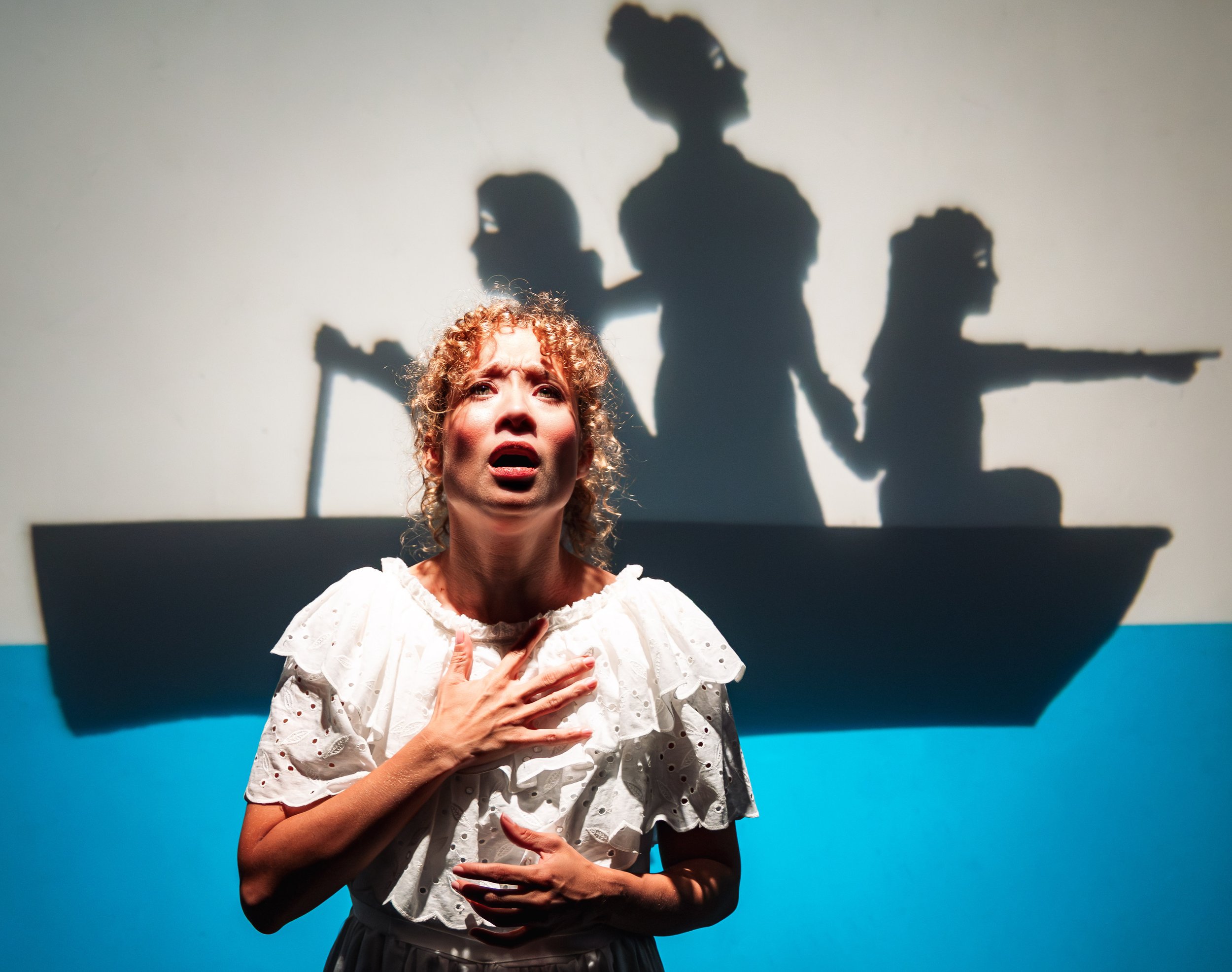
Samantha Blain as Lulu recounts her family’s journey from Cuba to the United States.
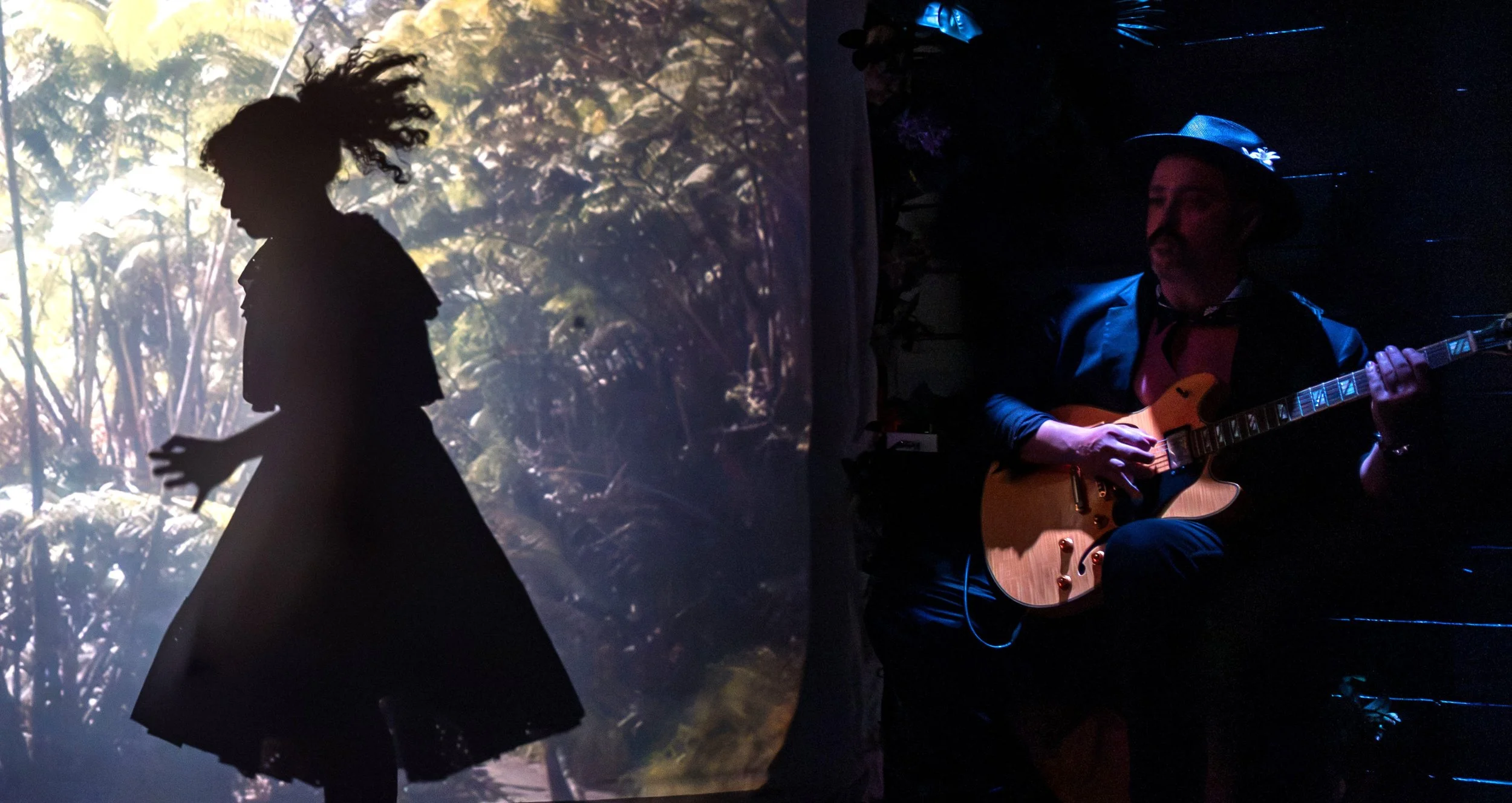
Even a powerful story can become more compelling when told through the traditions of its culture. Such is the case with Samantha Blain’s new play Isla, which embraces puppetry, music and magical realism to tell, in 75 minutes, a story of how Blain’s family fled Cuba. The world premiere production is a bilingual shadow play with beautiful, lilting songs, accompanied by guitarist Claron Hayden. All the artistic elements come together in a wonderful, multifaceted production.
The story unfolds in four parts: The Return, in which personal remembrances introduce the playwright’s family; The Vision, featuring dream sequences of birds, creatures, and flora; The Decline, showing changes in the lives of the characters before and after the Cuban revolution of 1959; and The Departure, capturing the emotional turmoil facing the country and the sisters as they emigrate to the United States.
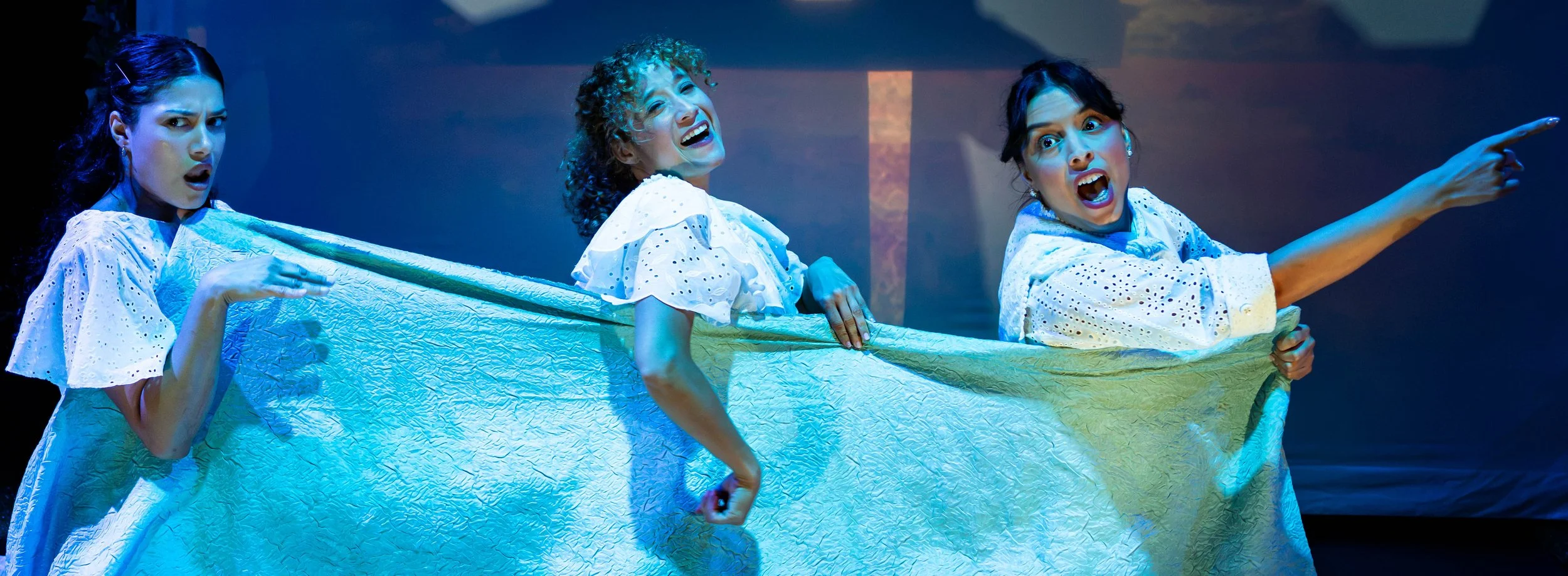
Throughout these sequences, the sisters—Blain as LuLu, Daniela Delahuerta as Carmen, and Tiffany Iris as Alina—are the key characters. The women perform as a trio. They sing in harmony and glide gracefully barefoot about the stage and behind the triptych. They “fight” playfully, tugging at fabric, and at other times wrap themselves in a warm embrace, showing the strength of their bond.
Daniela Delahuerta (Carmen) expresses her doubts about leaving Cuba and family.
The Return introduces the family through personal remembrances, as in the song “Mi Isla”:
Mi Corazon es me familia
Support and love, not
Unfamiliar
Just watch me.
Directors Roman Sanchez and Mikayla Stanley brilliantly use shadow puppetry to complement and enhance the story, illustrating and animating the action of the script.
Puppetry is a traditional art form in Latin culture; in Cuba it was supported by the government after the revolution, leading to the creation of the Teatro Nacional de Guiñol (TNG), or National Puppet Theater. The play’s creators wisely recognize its importance.
In The Decline segment, for instance, the shadow puppets project the grim realities of the revolution of 1959, showing changes in the lives of the characters before and after it:
Everything went into decay. It was as if uh...if uh...
You couldn’t bring any money. God forbid, you have money, you’re in trouble, you get arrested.
But if you don’t pay, you gotta leave.
The segments feature marching armies, bombs and explosions, rotting fruit, children forced to work in fields, and the sisters sailing away from their home in a tiny boat. Although somewhat cartoonish, the puppets powerfully capture the emotional toll of forced emigration. So essential is the puppetry that Isla’s puppeteers—Casey Scott Leach, Erica Knight, and Jessie March—take a well-deserved curtain call.
Three sisters, Tiffany Iris (Alina), Samantha Blain (Lulu) and Daniela Delahuerta (Carmen) harmonize about their sisterhood. Photographs by Rebecca J. Michelson.
The other Latin element used to great effect is magical realism, most notably associated with Nobel Prize–winning Colombian novelist Gabriel García Márquez and his One Hundred Years of Solitude. Isla exists in a place where crocodiles are used to disarm weapons and creatures scamper about, stealing pencils and a notebook.
In addition to recorded interviews with family members, a tapestry of images is projected onto a wide screen divided into a triptych. At times, three-dimensional puppets scamper across the stage and then appear as two-dimensional projections of themselves. Then the cast steps behind the triptych and joins the two-dimensional world. As magical realism dictates, this transformation is perfectly natural and unexplained as part of the story. It just is.
Guitarist Claron Hayden adds soulful accompaniment to Isla’s story.
The final segment, The Departures, reflects the emotional turmoil facing the country and the sisters as they emigrate to the United States. In a recorded interview, they recall their feelings:
I had big trauma. I left my home, I left my country, my parents.
Let’s put it this way, praise the lord that nothing ever happened to us. Pfft.
Terror. Political terror. Personal terror.
All these elements—music, cast performances, recorded interviews with family members, lighting that captures and shifts moods, multimedia projections, silhouettes of family and the cast, and flowing fabric used to create the illusion of waves as the girls sail away—blend joyfully into a shared vision.
As Blain explained at the start, her wish was to share her stories with her daughter, which she did. Thankfully, she also shared her story with the audience.
Hit the Lights! Company’s production of Isla runs through Aug. 29 at WP Theater (2162 Broadway at 76th). Evening performances are at 7 p.m. Wednesday through Sunday (no performance Aug. 20); matinees are at 2 p.m. Sundays; an additional youth performance is set for 2 p.m. Aug. 1. For tickets and additional information, visit their program here.
Creators: Hit The Lights! Company & Samantha Blain
Directors: Roman Sanchez & Mikayla Stanley
Composers: Samantha Blain & Claron Hayden
Puppetry: Casey Scott Leach, Erica Knight & Jessie March
Lighting design: Vittoria Orlando
Costume design: L.A. Clevenson
If you enjoyed this review, please click on the Like icon below.
The Winter’s Tale
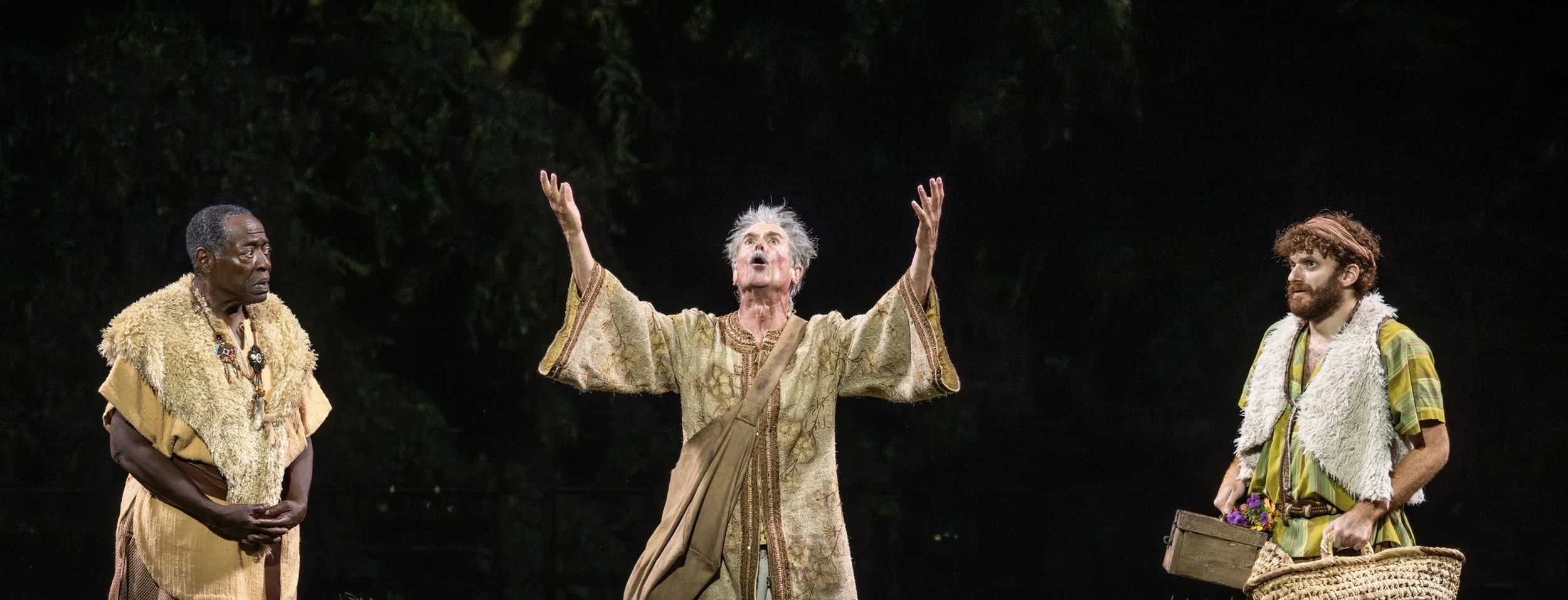
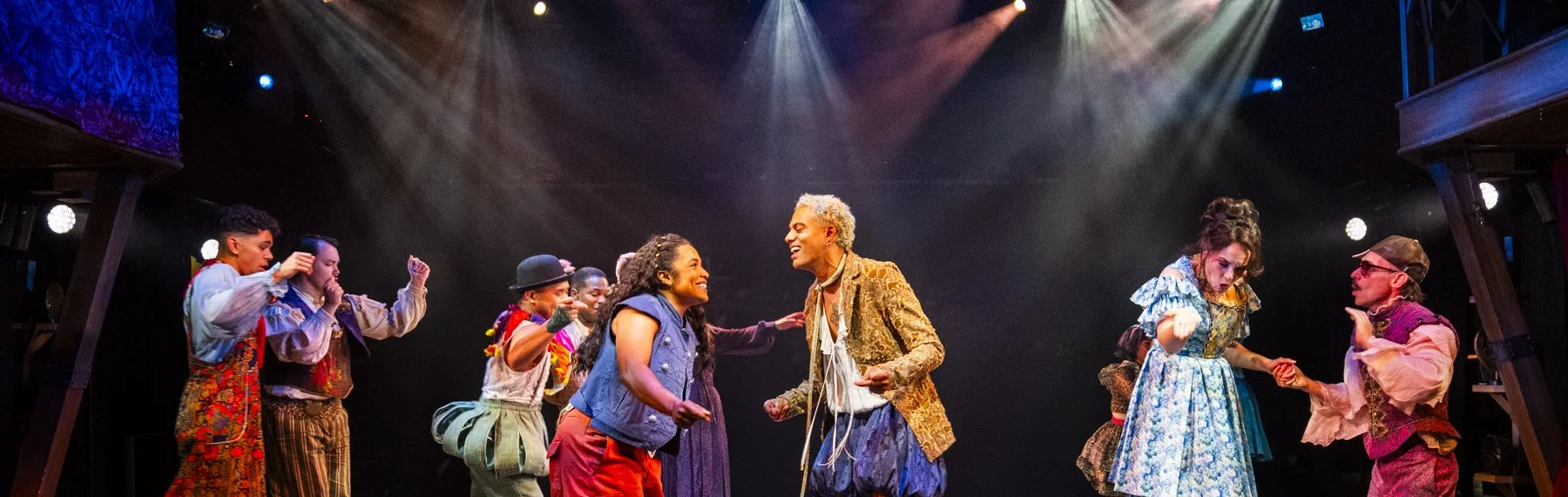
“A sad tale’s best for winter,” says Mamillius, the young son of Leontes and Hermione, king and queen of Sicilia, in Shakespeare’s late play The Winter’s Tale (ca. 1610). Mamillius may be right, but a sad tale can also work on a sweltering night in Central Park, as Daniel Sullivan’s no-frills, emotionally intense staging demonstrates.
The Pass
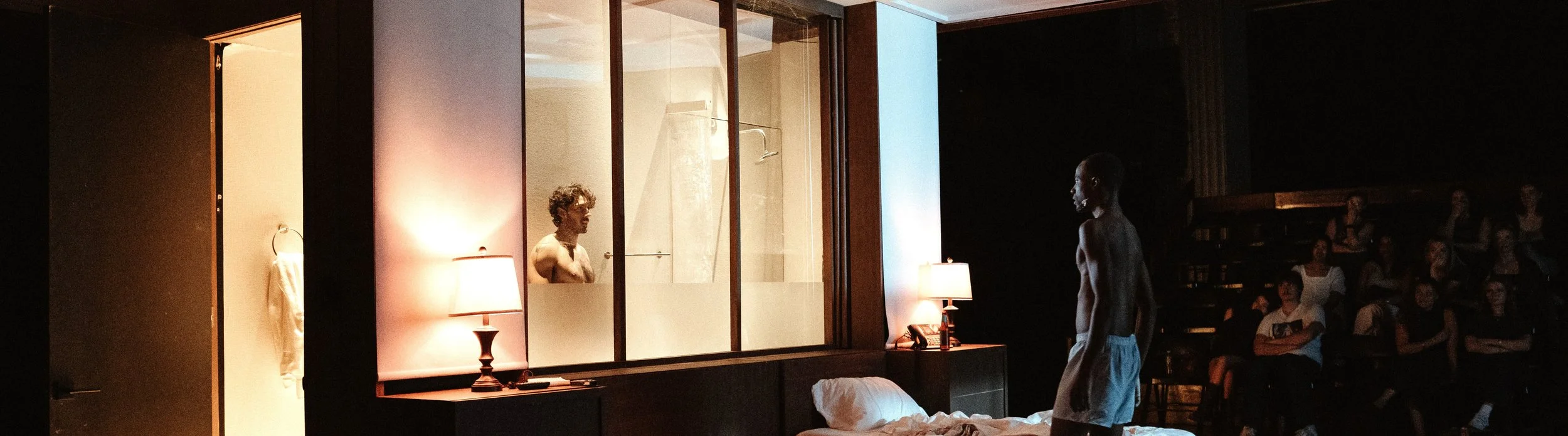
In John Donnelly’s The Pass, directed by Max Hunter, two rising British soccer stars confront the volatile intersection of masculinity, desire, and celebrity when a hotel-room encounter threatens to upend their carefully constructed futures. Spanning 12 years and three hotel rooms, this provocative drama tackles the high stakes of being young, ambitious, and closeted in a world where the pressure to perform extends far beyond the playing field.
The Saviors
Well, I’ll Let You Go, Bubba Weiler’s drama of grief and Midwestern angst, opened Off-Broadway a year ago this month, elevating the author from yeoman actor to New York’s most prominent emerging playwright. The Saviors, Weiler’s second play (now at the Atlantic’s Linda Gross Theater) substantiates his promise, extending and arguably deepening his collaboration with director Jack Serio.
The Vessel
“A combination of the Eiffel Tower and the Rockefeller Center Christmas tree.” “Upside-down pineapple. Honeycomb spaceship/shawarma.” These descriptions of Vessel, the tourist attraction in Manhattan’s Hudson Yards, are the most memorable lines in Brendan George’s well-intentioned play The Vessel, which has a lot to say but doesn’t say most of it in a theatrically exciting manner.
Disruption
Enter a complex query into an AI chatbot, and the computer program will ruminate. Employing a proprietary algorithm, actions will be taken, decisions will be explained, and the sometimes unexpected results will arrive in due course, with little regard as to whether a satisfying answer is justification for the steps taken to reach it. This process is the metaphorical framework for Andrew Stein’s new and disturbing think piece, Disruption. Set in a New York defined more by its data sets than its landmarks, three couples provide the input for a calculating friend who employs an omniscient technology to rewire all of their lives.
Broad Strokes
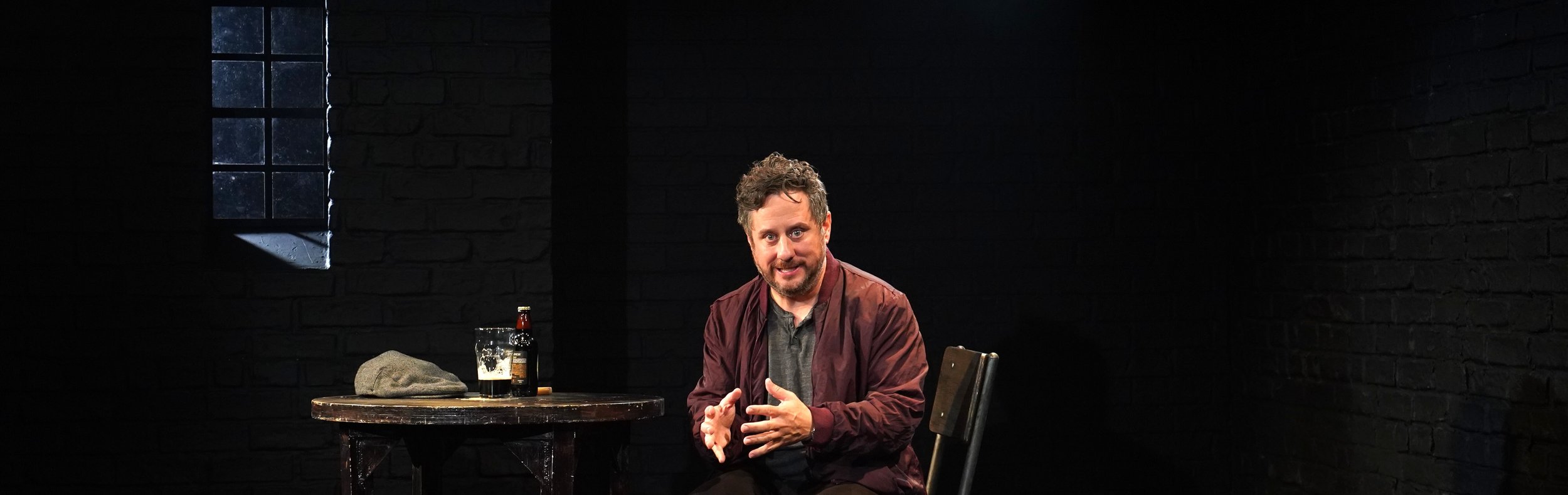
Comedian and stroke survivor Cat Cohen named her solo show Broad Strokes for the puns, but the titular phrase may be more appropriate in another, unintended sense. Cohen tells her story in such broad strokes that, while she succeeds in making her serious medical condition funny, the lack of depth and detail makes it seem not that serious.
Hungry Women
What if men suddenly disappeared from the planet? Melissa Maney’s darkly comic Hungry Women, directed by Daniella Caggiano, imaginatively explores that provocative question across two centuries, using absurdism, macabre humor, and a feminist lens to examine how women might reconstruct society—and what they might ultimately discover they are most hungry for.
Shifters
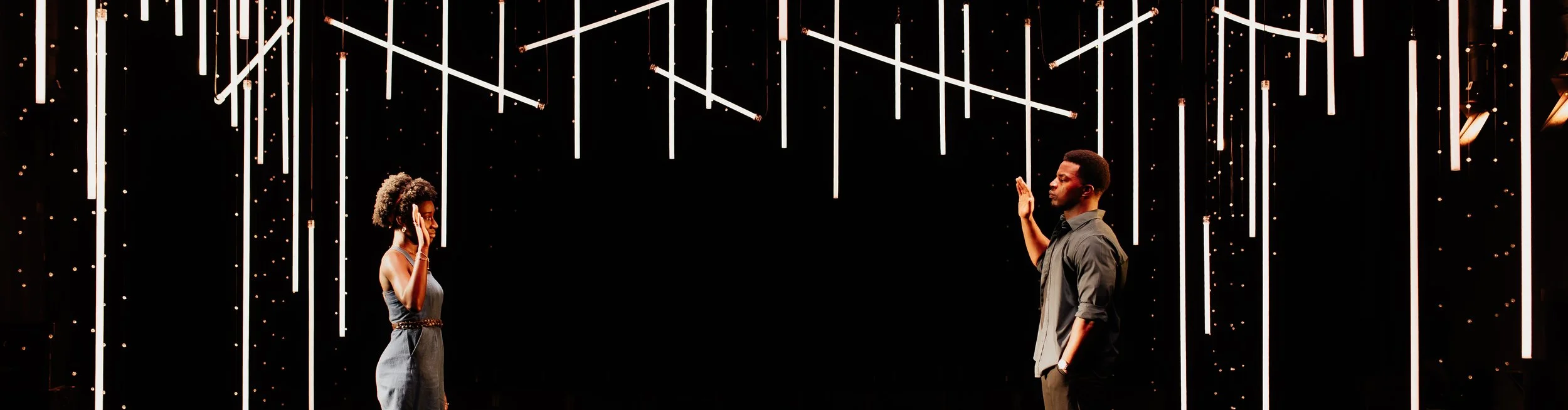
For its third mainstage production under new owners A24, Cherry Lane Theatre brings in a London success—Benedict Lombe’s romantic two-hander Shifters, directed by Lynette Linton—with some boldface names on its U.S. producing team, including actors Idris Elba and Danai Gurira and rapper Little Simz.
Hershey Felder: The Piano and Me
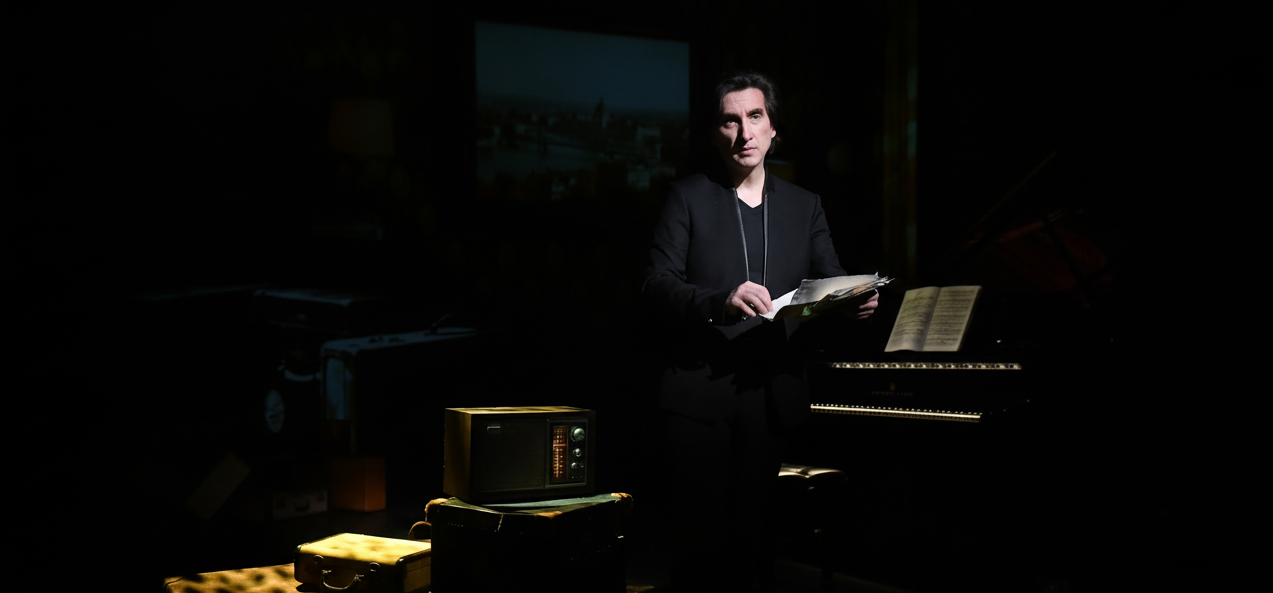
After spending decades bringing history’s greatest composers to vivid theatrical life, Hershey Felder turns his storytelling gifts inward in Hershey Felder: The Piano and Me. The result is an intimate and deeply affecting autobiographical portrait that reveals how music shaped not only an extraordinary career but also an extraordinary life.
What a World! What a World!
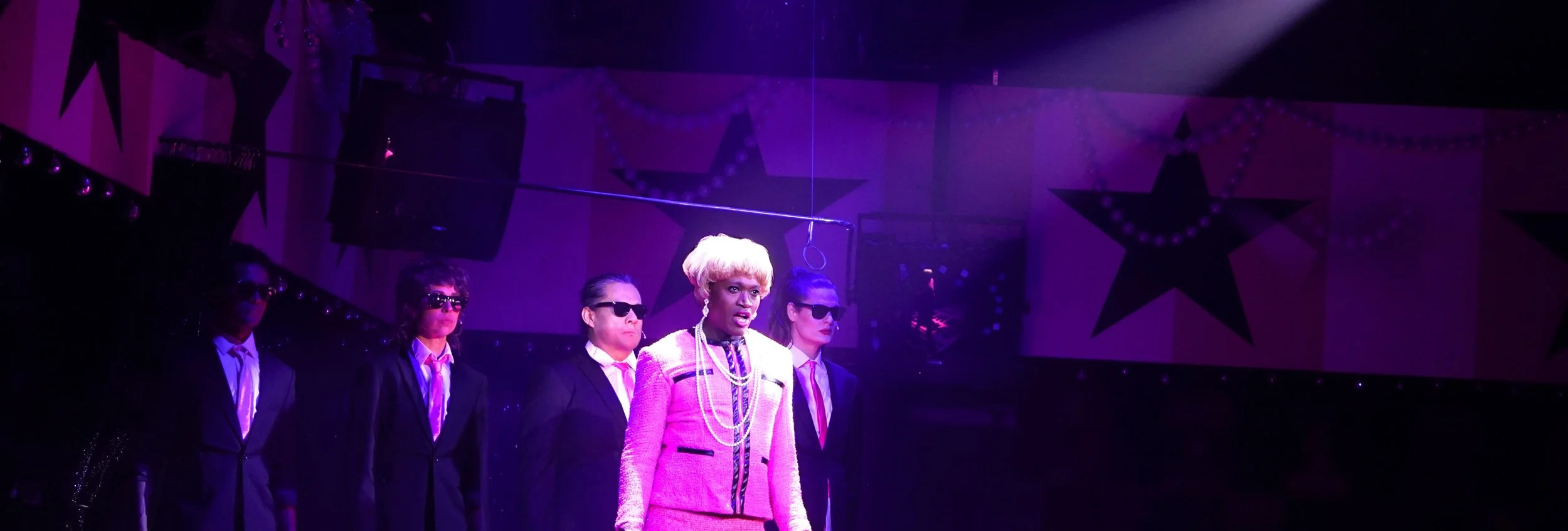
Eric Marlin’s What a World! What a World! explores gender identity, drag, and gay love in a dialogue-heavy production that opens on a bare stage reminiscent of a 1970s avant-garde drama. Queen-Tiye Akamefula and Annie Hoeg exchange overripe melodramatic dialogue while moving and posing in tandem, using gestures that recall the 19th-century Delsarte system—back of hand to forehead, arms outstretched—executed with the measured precision of tai chi. The result is alternately intriguing and irritating, but emotionally remote.
Giulia: The Poison Queen of Palermo
In a recent New York Times interview, singer-songwriter Jennifer Nettles remarked of her new show, Giulia: The Poison Queen of Palermo, “The joke of it, the irony, is that my little musical about poison is the antidote we need right now.” Based on the audience response at a recent performance, her point was well taken. In witnessing a succession of abusive, barbarous, and toxic men succumbing to murder, many in the crowd clearly found their retribution. As news feeds clutter with stories of national leaders, Senate candidates, and millionaires evading justice for their crimes against women, there is indeed something quite gratifying about watching vigilante vengeance set to an intoxicating, pop-music beat.
The Listies: Make Some Noise
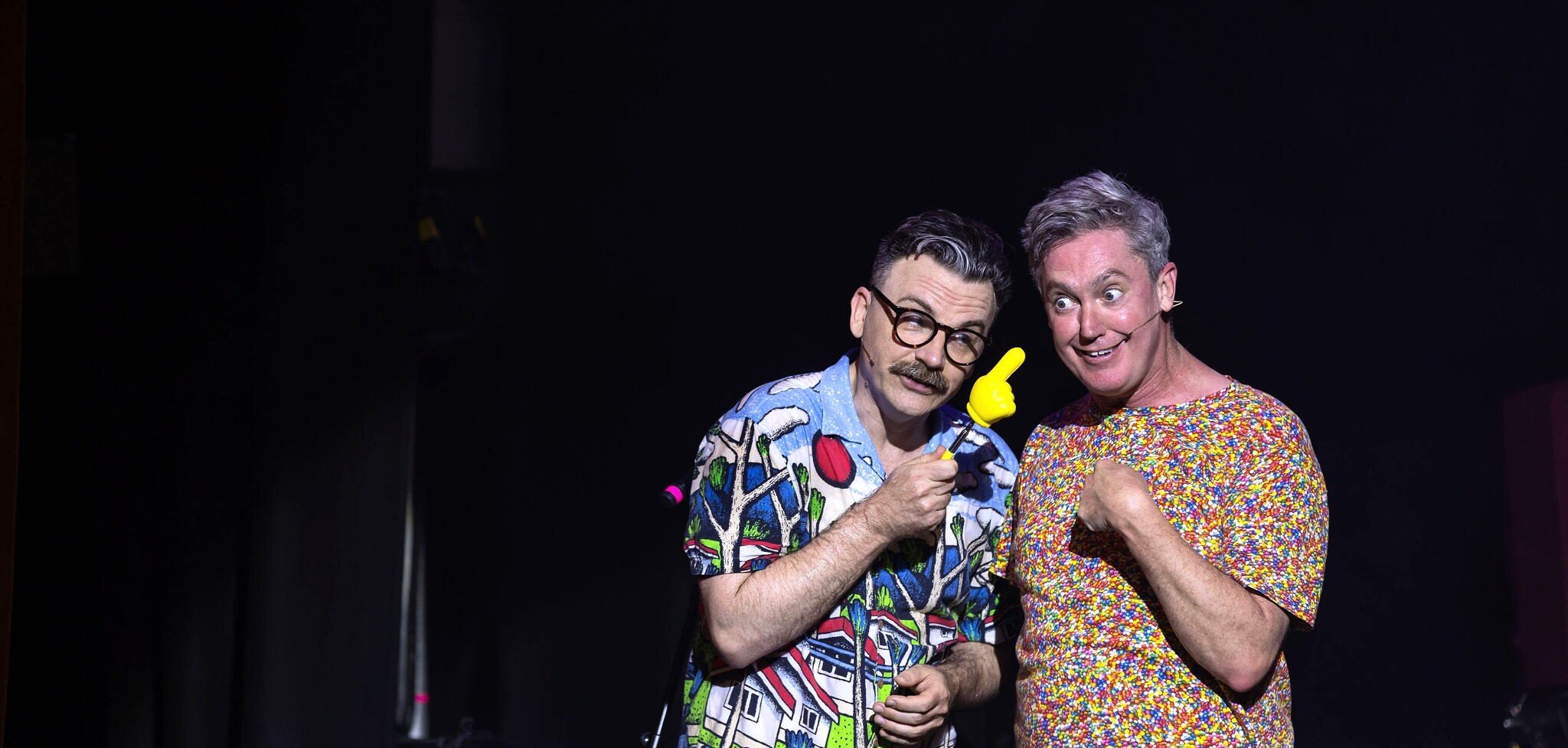
Family entertainment often settles for amusing the children while asking adults to patiently endure the ride. The Listies: Make Some Noise gleefully defies that formula, delivering an hour of quick-witted comic anarchy in which playwright-performers Richard Higgins and Matthew Kelly prove that silliness, when executed with razor-sharp timing and imagination, can delight audiences from preschoolers to grandparents.
Birthright
The ideals and experiences that bond people together when they are young may be the very things that divide them when they mature. This we learn from the protagonists in Birthright, Jonathan Spector’s play that tracks the lives of six Jewish friends from 2006 through 2024. In each of the three nearly one-hour acts, perceptible changes occur in each character’s priorities and attitudes, at least in part because in their discussions, no topic is sacrosanct.
That Math Show
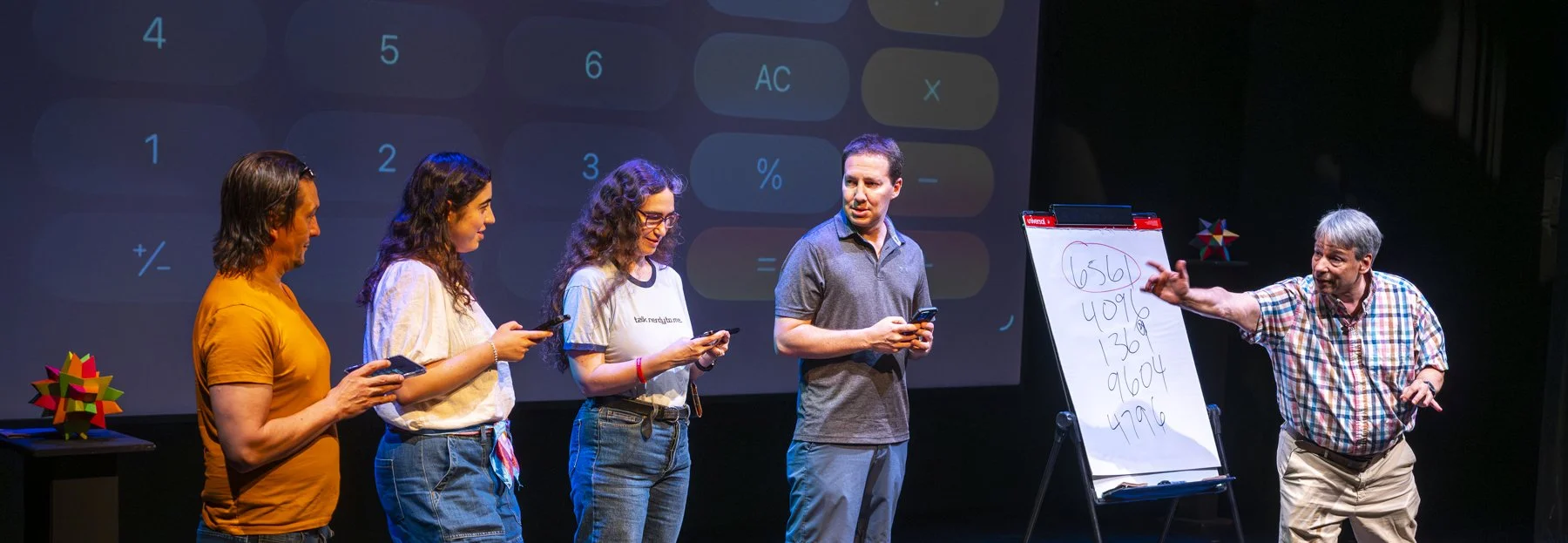
For anyone who has ever believed mathematics belonged exclusively to gifted minds, That Math Show offers a joyful correction. Created and performed by Dr. Arthur Benjamin and directed by Eric Krebs, this lively production reveals the beauty and playfulness of numbers.
A Walk on the Moon
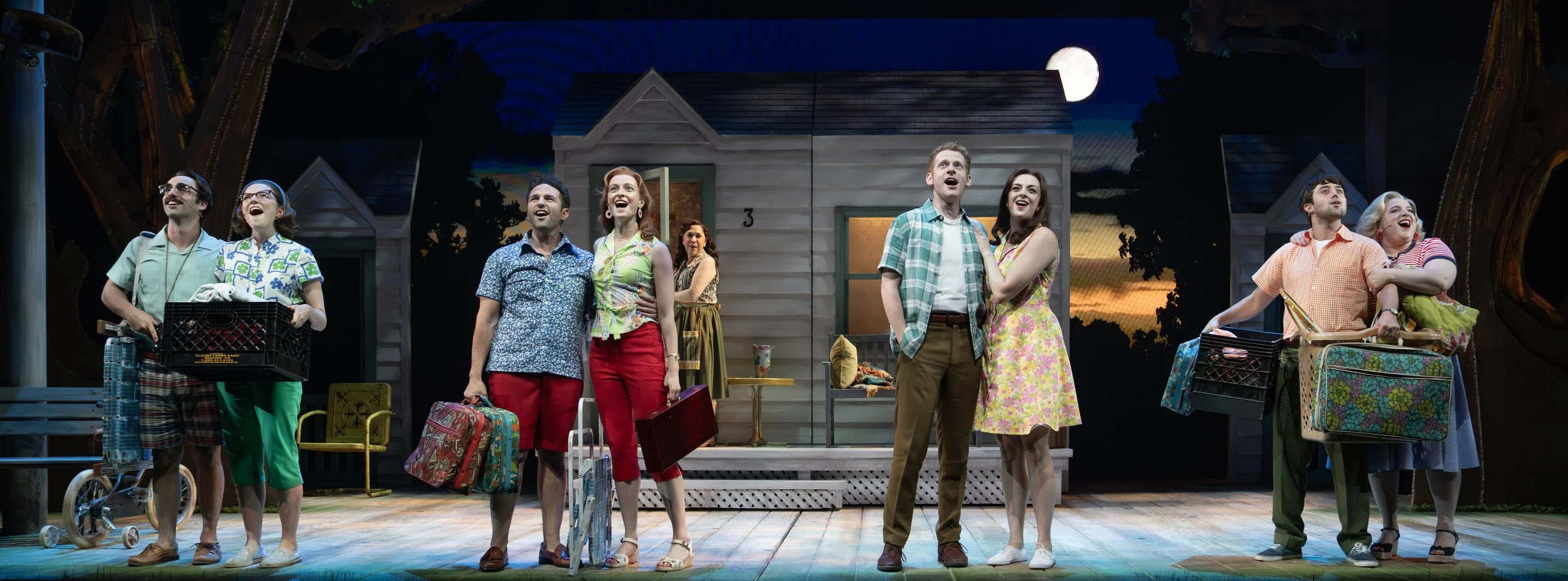
Neil Armstrong landed on the moon on July 20, 1969. Less than a month later, the Woodstock festival rocked America’s psyche. The run-up to these landmark events provides the symbolic dissonance for the bighearted and multifaceted new musical, A Walk on the Moon. With a score by AnnMarie Milazzo and book by Pamela Gray, this stage version of the 1999 film (also written by Gray) tracks a not-so-happy housewife through a risky voyage of self-discovery, just one short hike away from Max Yasgur’s farm in Bethel, N.Y., and one giant leap from her otherwise square and earthbound life.
The Loved Ones
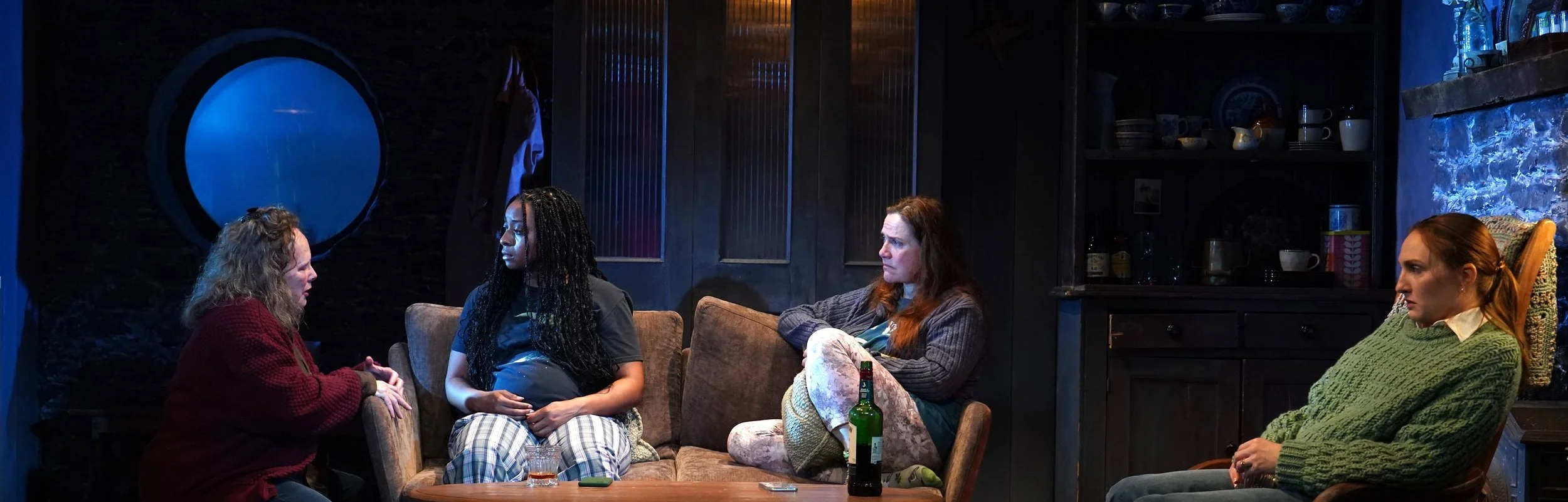
Erica Murray’s The Loved Ones is a poignant meditation on grief and betrayal that offers a potentially melodramatic setup but largely avoids obvious broad strokes in favor of quieter pleasures—sharply observed dialogue, characters who defy the labels placed on them, and an exploration of the difficulties and power of empathy. An outstanding ensemble led by the great Maryann Plunkett depicts the international group of women—Irish, English, and American—brought together in rural West Clare, Ireland, through tragic circumstances that threaten to divide them yet end up eliciting a precarious and precious sense of solidarity.
Music City
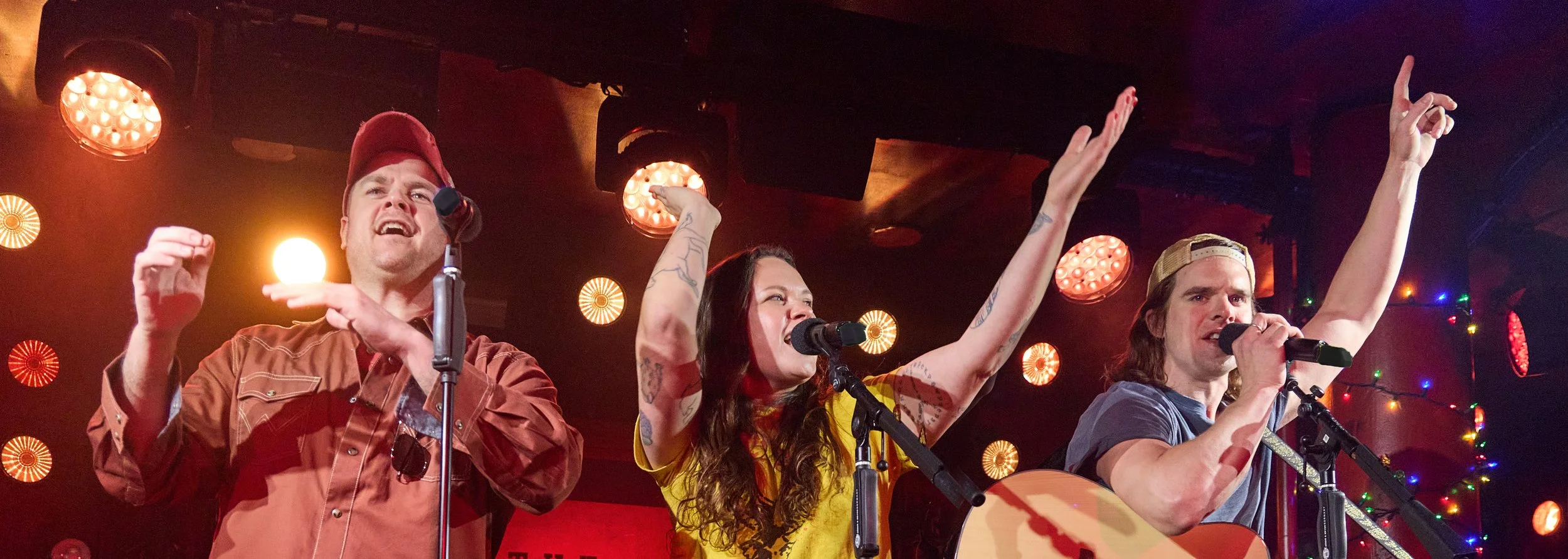
The venue is St. Luke’s Theatre, but for all practical purposes, it isn’t anymore. The Restaurant Row mainstay is now the Wicked Tickle, an East Nashville dive where the beer is cheap, the country-and-western is tangy and smart, and Cindy the bartender is on hand to crack you open a Pabst. And it’s the home of Music City, a return engagement of a musical that played well at the West End Theatre in 2024 and has only ripened with age.
Camping
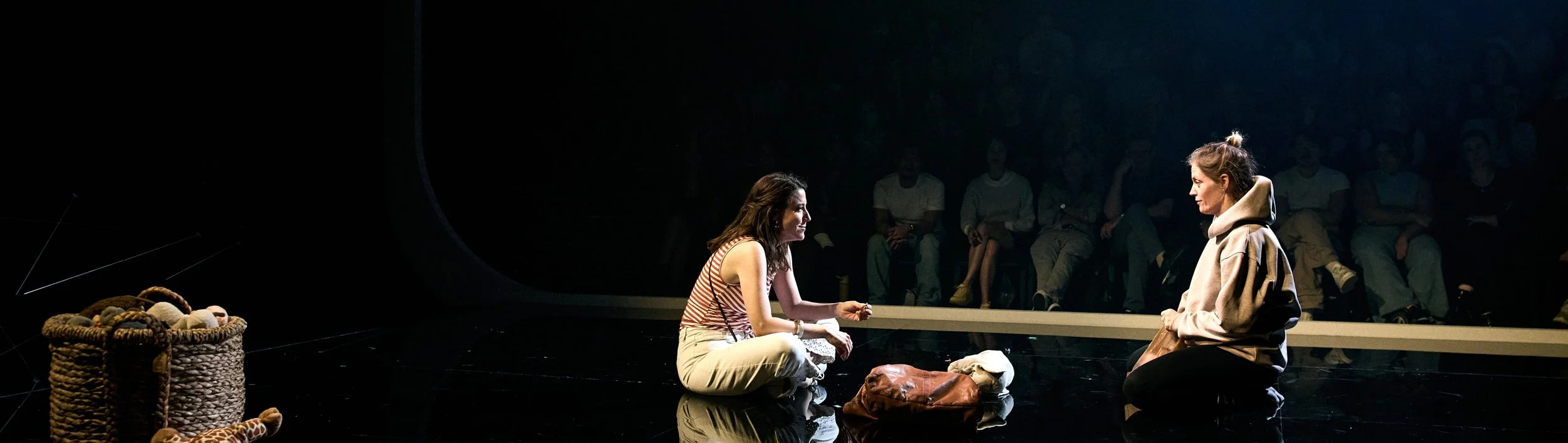
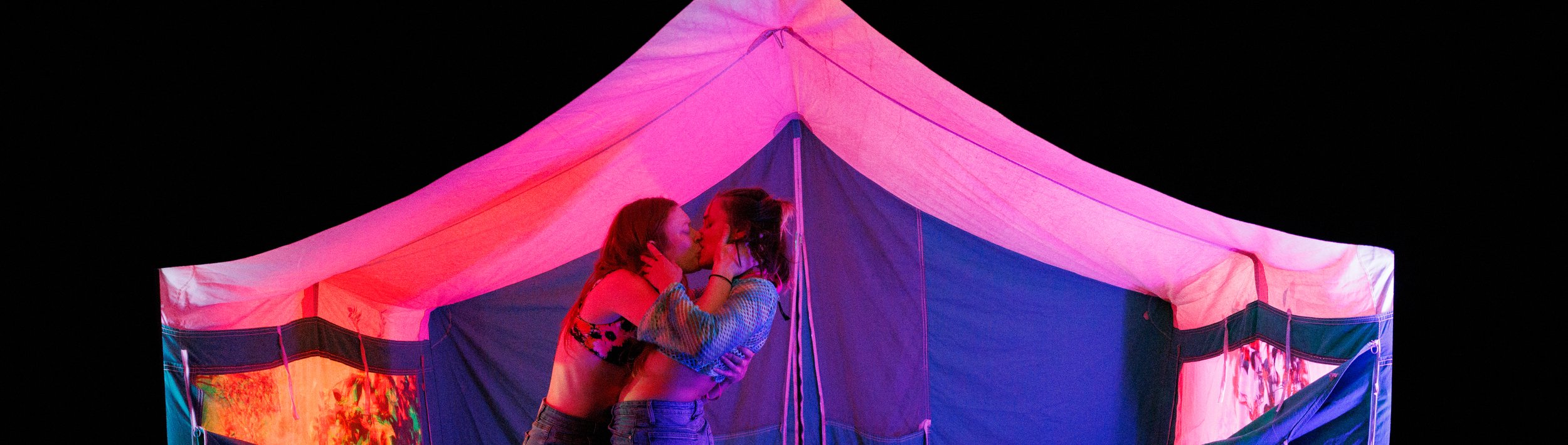
A tent creates a confined yet evocative space—the image might conjure up strong memories and associations, perhaps of childhood camping trips or adolescent backyard adventures or later-in-life attempts at experiencing the great outdoors. For Ari and Brit, the protagonists of Victoria Lynne Barclay’s new two-hander Camping, the tent is a world unto itself. From ages 15 to 40, the two women navigate life—including relationships with inadequate men—and feelings for each other that they can never quite come to terms with, through events that always return them to the same tent. That Barclay makes this contrivance feel largely natural is one of the strengths of this sensitively observed play.