

Laura Pels Theatre

A Walk on the Moon

A Walk on the Moon

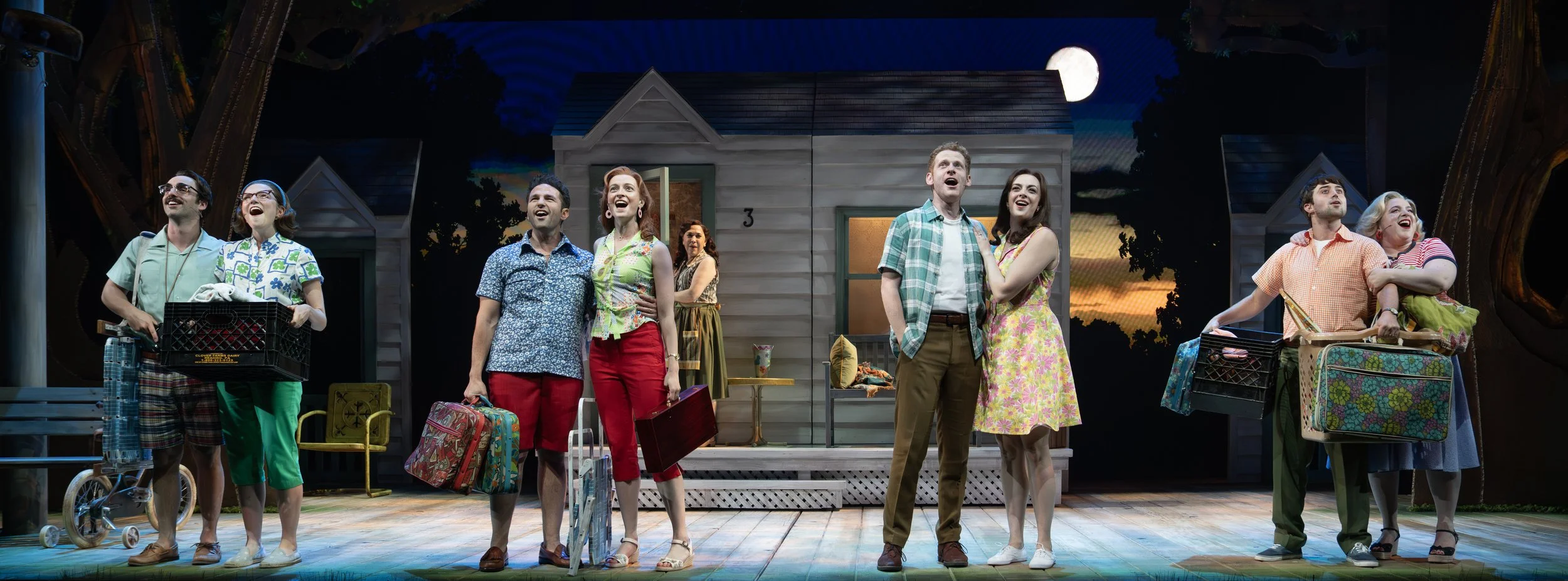
Neil Armstrong landed on the moon on July 20, 1969. Less than a month later, the Woodstock festival rocked America’s psyche. The run-up to these landmark events provides the symbolic dissonance for the bighearted and multifaceted new musical, A Walk on the Moon. With a score by AnnMarie Milazzo and book by Pamela Gray, this stage version of the 1999 film (also written by Gray) tracks a not-so-happy housewife through a risky voyage of self-discovery, just one short hike away from Max Yasgur’s farm in Bethel, N.Y., and one giant leap from her otherwise square and earthbound life.


Click for print friendly PDF version of this blog post

Chinese Republicans

Chinese Republicans

Four employees of investment bank Friedman Wallace gather for an “affinity group” meeting. Their affinity? They are women of Chinese descent. Yet Alex Lin chose to name her new play Chinese Republicans. Consider it the first sign of dissonance in Lin’s ineffectual script.

Click for print friendly PDF version of this blog post

Archduke

Archduke

If the title of Rajiv Joseph’s latest play, Archduke, conjures up Franz Ferdinand, the most famous archduke of all, that’s exactly what’s intended. But Joseph is less concerned with the death of the Serbian monarch whose assassination in 1914 sparked World War I than he is with the social and historical forces that helped radicalize the three principal killers: Gavrilo Princip, Nedeljko Čabrinović, and Trifko Grabez.

Click for print friendly PDF version of this blog post

Liberation

Liberation

One month after Suffs, a celebration of first-wave feminism, closed on Broadway, playwright Bess Wohl shines a spotlight on the second wave in Liberation. Wohl offers vividly sketched characters, a well-honed mix of comedy and drama, and a complex yet heartening portrayal of sisterhood, but falters a bit incorporating her family history into the plotline and attempting to reconcile the 1970s women movement’s racial blind spots.

Click for print friendly PDF version of this blog post

The Counter

The Counter

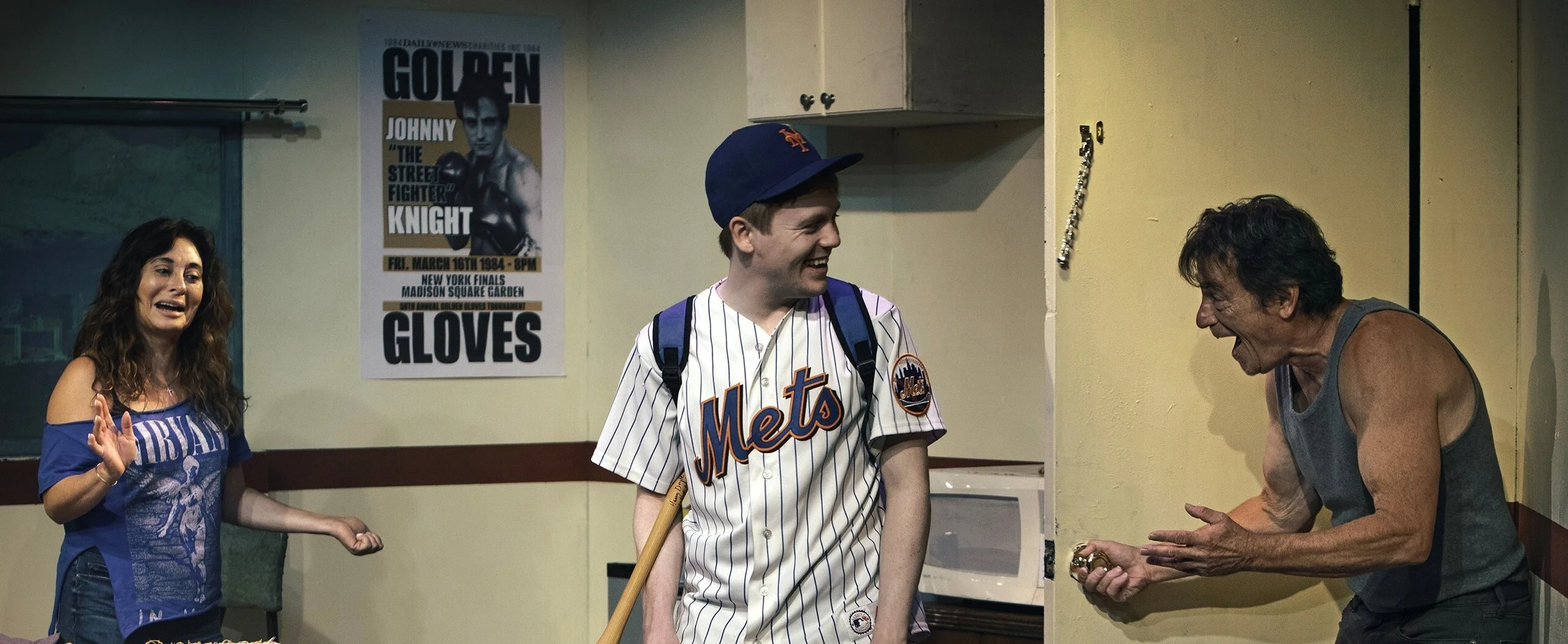
Director David Cromer has the ability to conjure expansive worlds from small, banal settings: For Meghan Kennedy’s The Counter, the set (designed with remarkable detail by Walt Spangler) occupies only a part of the space available on the stage of Roundabout’s Laura Pels Theatre. As he did with A Case for the Existence of God at Signature Theatre, Cromer encloses the characters in order to open them up. Of course, in order to perform this low-key magic, there must be sharply drawn, deeply human characters to work with.

Click for print friendly PDF version of this blog post