

Reviews

Trash

Trash

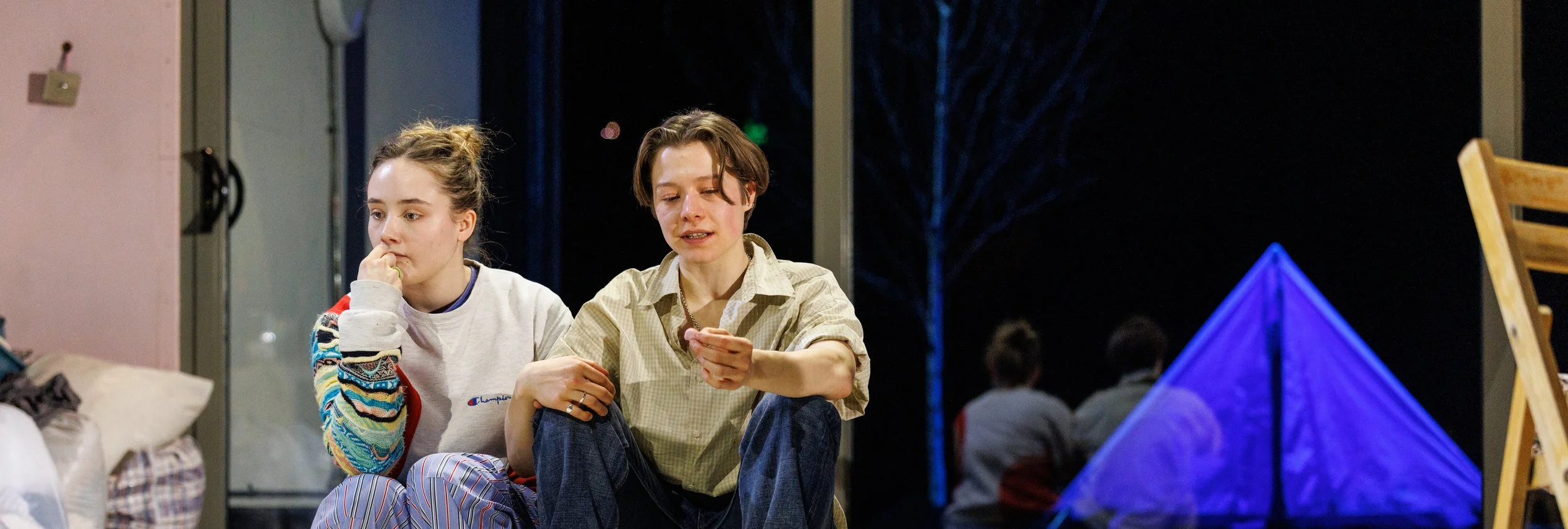
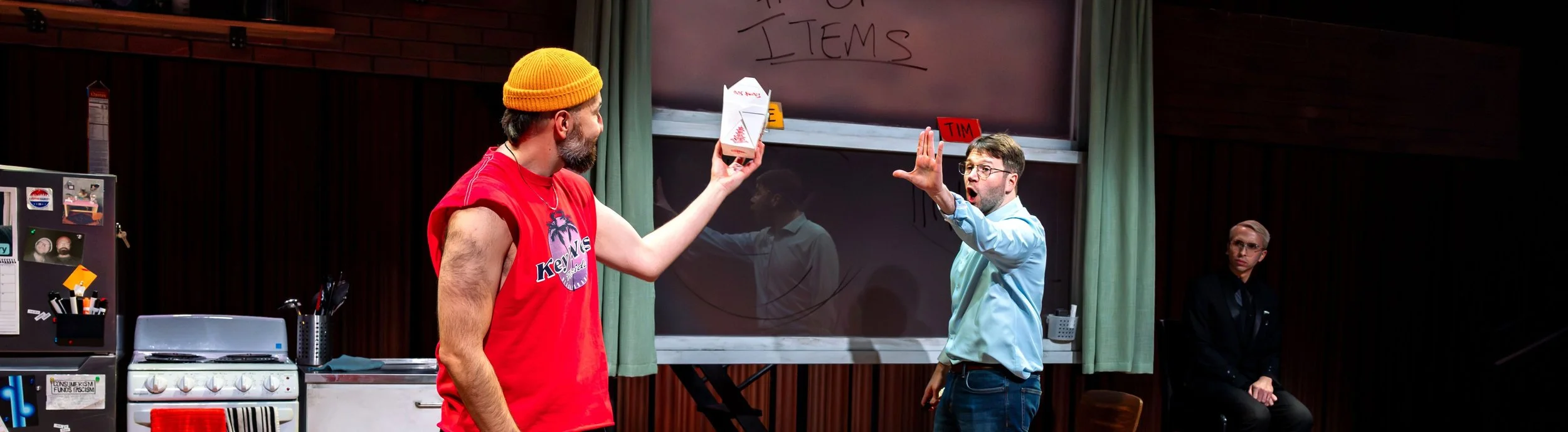
The engaging Trash embellishes a common New York story of two roommates in conflict by adding an important twist, as well as a variety of theatrical tricks, including audience participation. The Deaf creators and lead performers, James Caverly and Andrew Morrill, hold out occasional lifelines to a hearing audience via projections, a talking jukebox, and a character who isn’t Deaf, but just as often they speak in American Sign Language (ASL). Lest anyone balk at that, a good deal of the ASL portions are no more challenging than interpreting gestures in a silent film.

Click for print friendly PDF version of this blog post

Ulster American

Ulster American

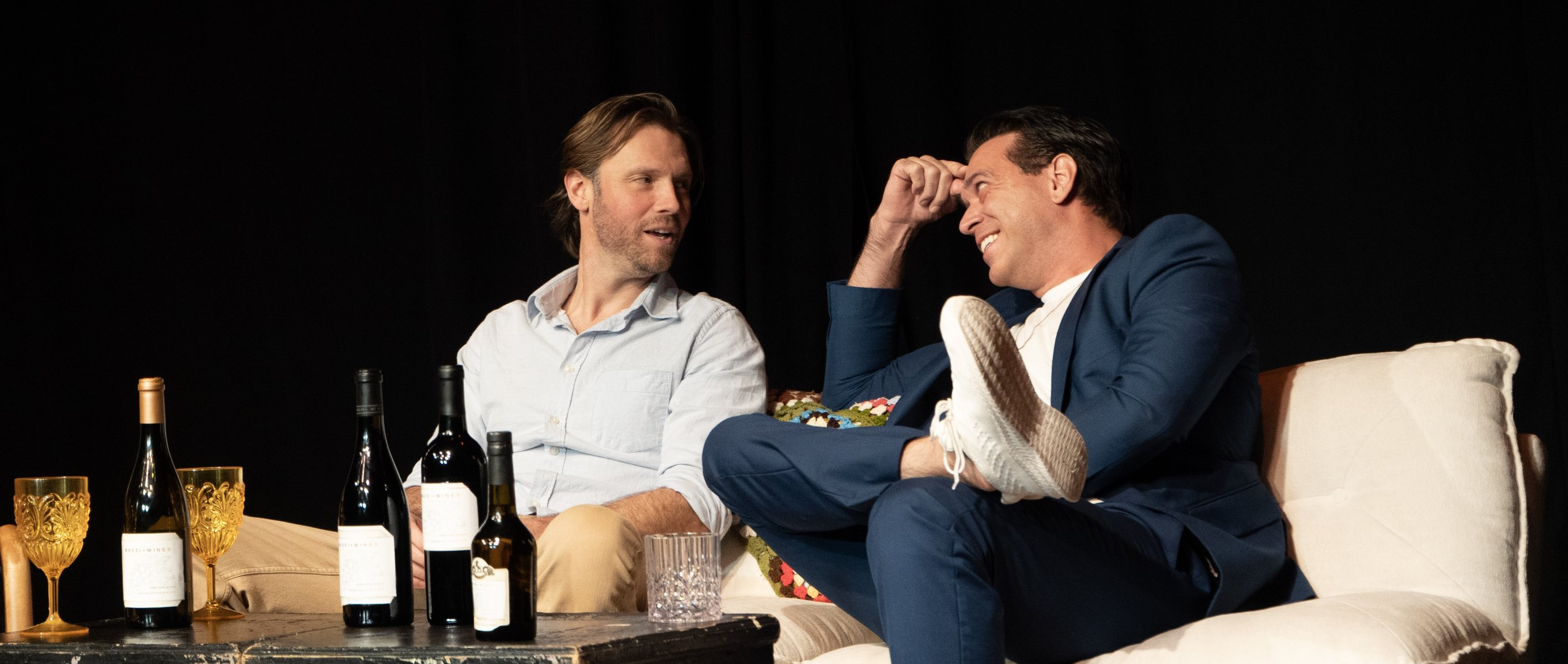
Ulster American, David Ireland’s reworking of his 2016 play, wants to shock from the moment it begins, with two ostensibly progressive white men discussing whether it’s acceptable for white people to reclaim the N-word as their own. The play seems to position itself as a no-holds-barred satire, steeped in the cynicism of David Mamet and Martin McDonagh. But what exactly is being satirized and to what end? A rare miss for the Irish Rep and for the great Ciarán O’Reilly, who directs, Ulster American never moves past the surface of its faux-bad-boy persona; it’s a satire too lazy to be satirical and with humor too juvenile to actually offend.

Click for print friendly PDF version of this blog post

About Time

About Time

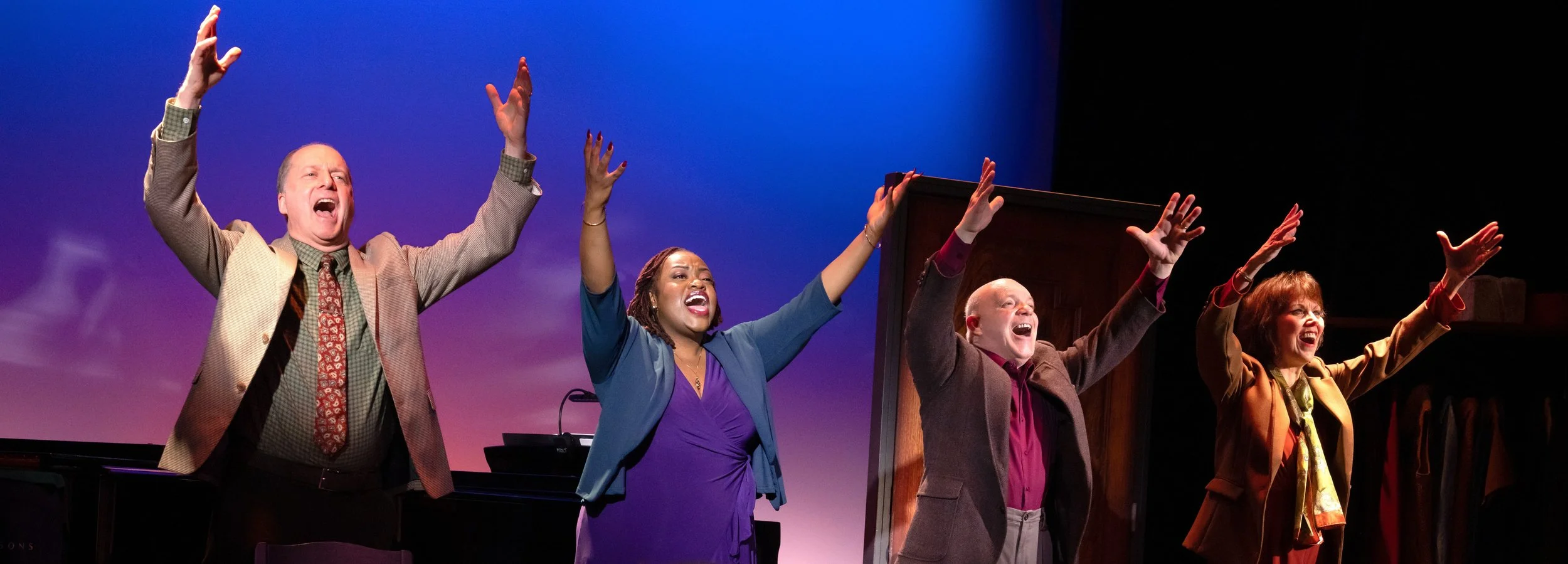
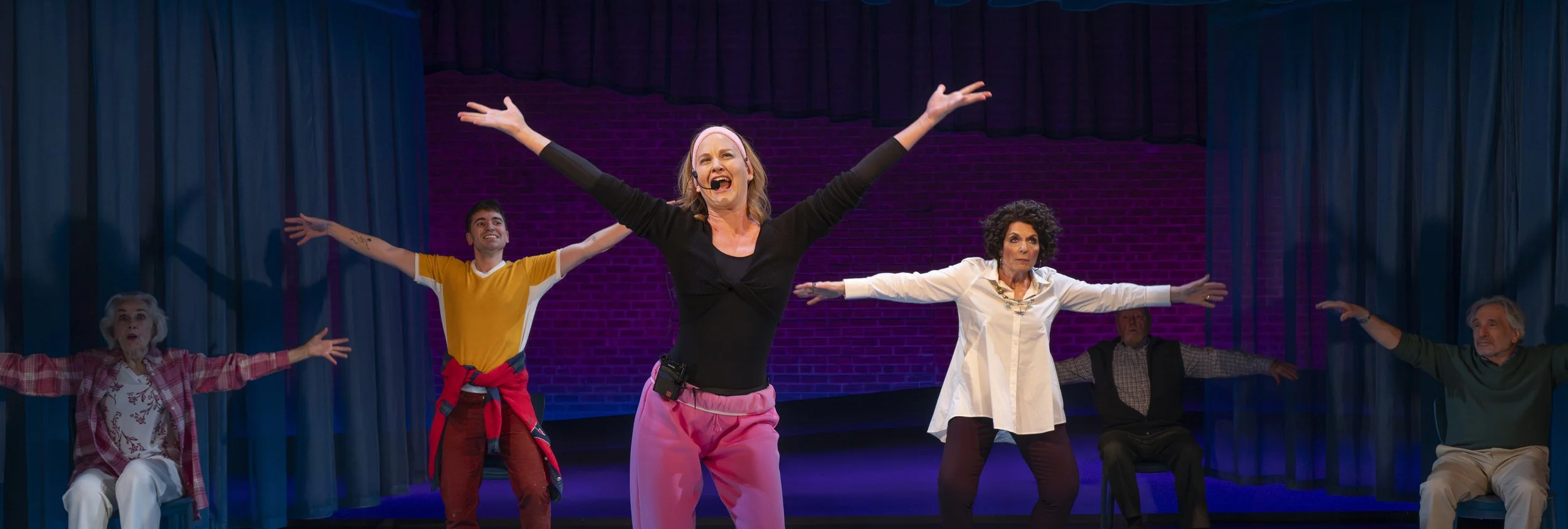
There are, a variety of sources have it, no legitimate rhymes for “orange.” But get a load of: “Yes, I know it feels foreign/ Just to suck a week-old Mandarin orange.” In About Time, the new revue at the Marjorie S. Deane, Richard Maltby Jr. does it. And he’s 88.

Click for print friendly PDF version of this blog post

Macbeth

Macbeth

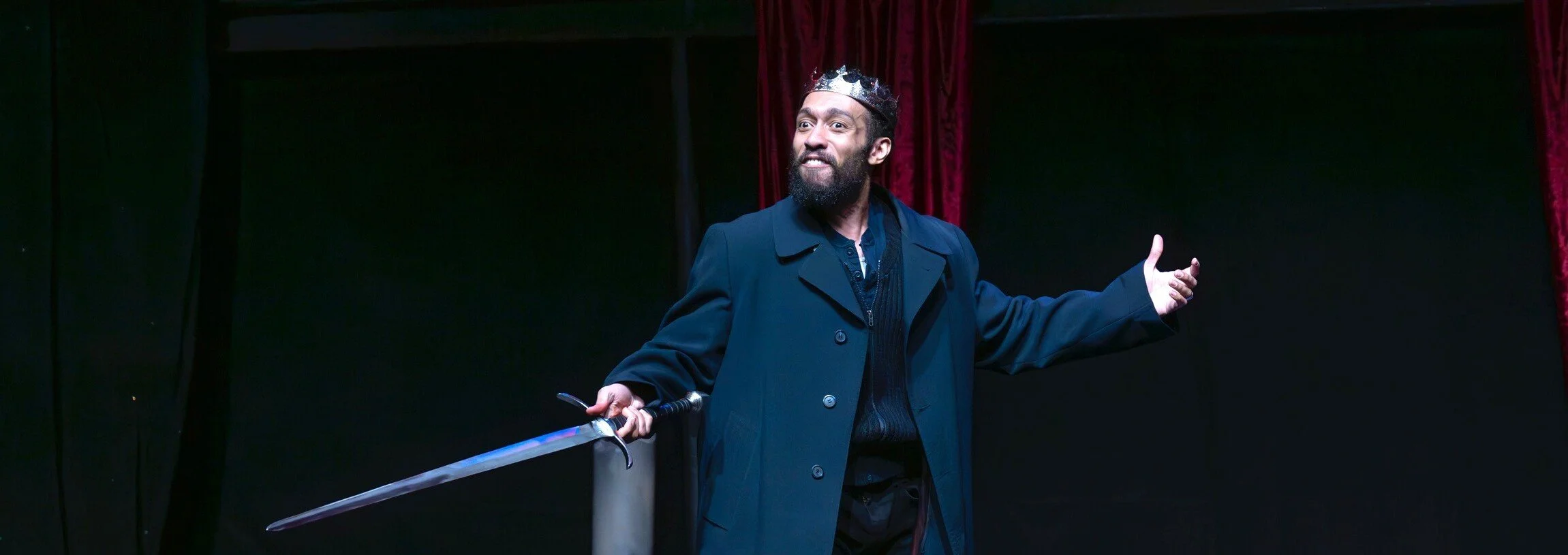
The Frog & Peach Theatre Company—fancifully named for a classic comedy sketch by Peter Cook and Dudley Moore—has been producing William Shakespeare’s plays on shoestring budgets for three decades. Currently, this scrappy Manhattan troupe is promoting its presentation of Macbeth with the tag line: “What if a madman were king?” That’s cheeky marketing that captures the directorial vision of Lynnea Benson, who’s at the helm.

Click for print friendly PDF version of this blog post

Calf Scramble

Calf Scramble

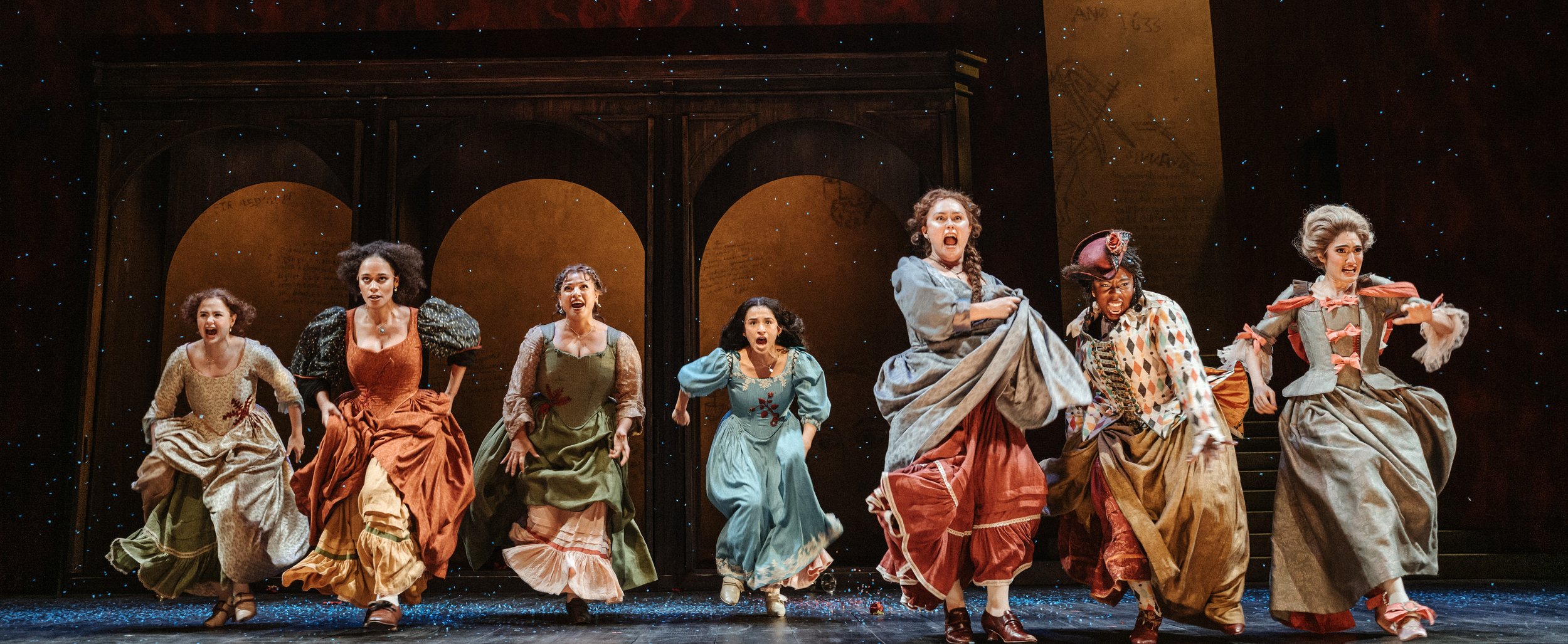
Calf Scramble, the title of Libby Carr’s dynamic new work, is a double entendre. On one hand, it is an event, familiar to many a rodeo goer, that features teens chasing and roping calves to take home and raise as potentially profitable livestock. On the other hand, it is a fitting description of the play’s intent. Five high school girls find themselves as penned in by their circumstances as the calves are by their metal fences. The animalism of humans becomes jumbled with the humanity of animals, and if, at times, Carr lays on the symbolism with a heavy hoof, one must remember that the play is set in Texas, where everything is bigger, including the metaphors.

Click for print friendly PDF version of this blog post

Cold War Choir Practice

Cold War Choir Practice

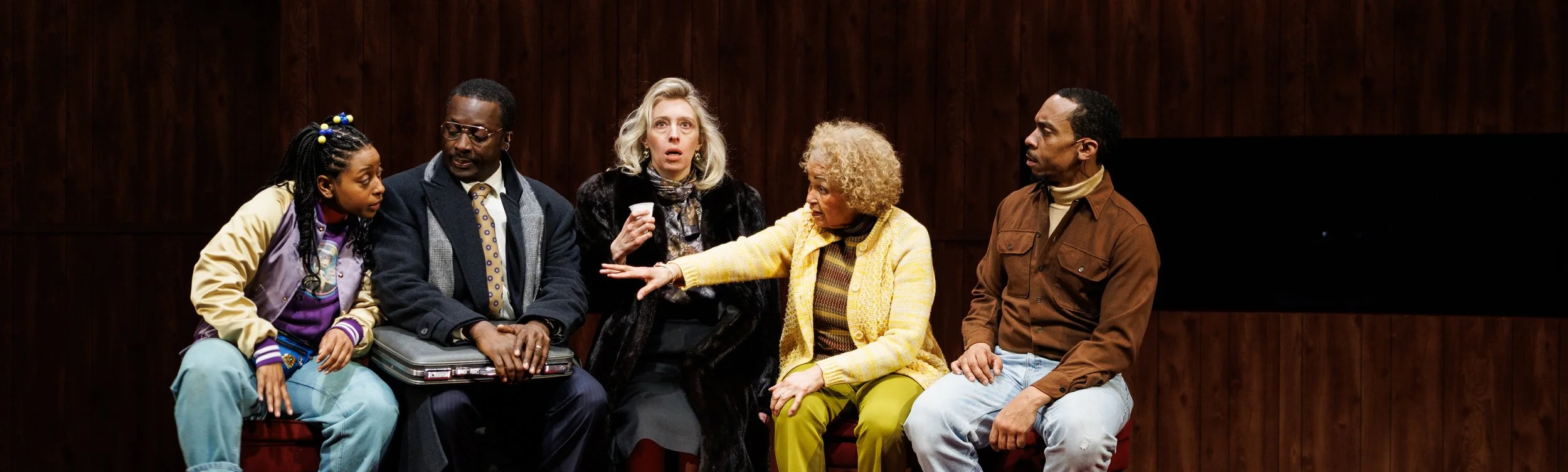
It’s 1987 and the Cold War is in the air at Roll-a-Rama in Syracuse, N.Y. Ten-year-old Meek (Alana Raquel Bowers) lives above the family business with her former Black Panther father, Smooch (Will Cobbs), and grandmother Puddin (Lizan Mitchell). When she’s not shoveling snow in exchange for candy, Meek is occupied with stocking her fallout shelter and singing in a Cold War–themed children’s choir, the Seedlings of Peace, much to her father’s chagrin. This is the world of Ro Reddick’s Cold War Choir Practice. What’s exciting about this play is that it feels sui generis: it’s part farce, part family drama, part surreal global-political meditation, and part musical.

Click for print friendly PDF version of this blog post

Dust of Egypt

Dust of Egypt

Dust of Egypt: The Story of Sojourner Truth dramatizes a little-known chapter in the famed abolitionist’s life when, as a young mother, she fought to rescue her 5-year-old son after he was illegally sold down South. Karin Abarbanel’s play turns this legal battle—the first time a Black woman successfully sued a white slave owner—into a stirring portrait of maternal courage and moral defiance.

Click for print friendly PDF version of this blog post

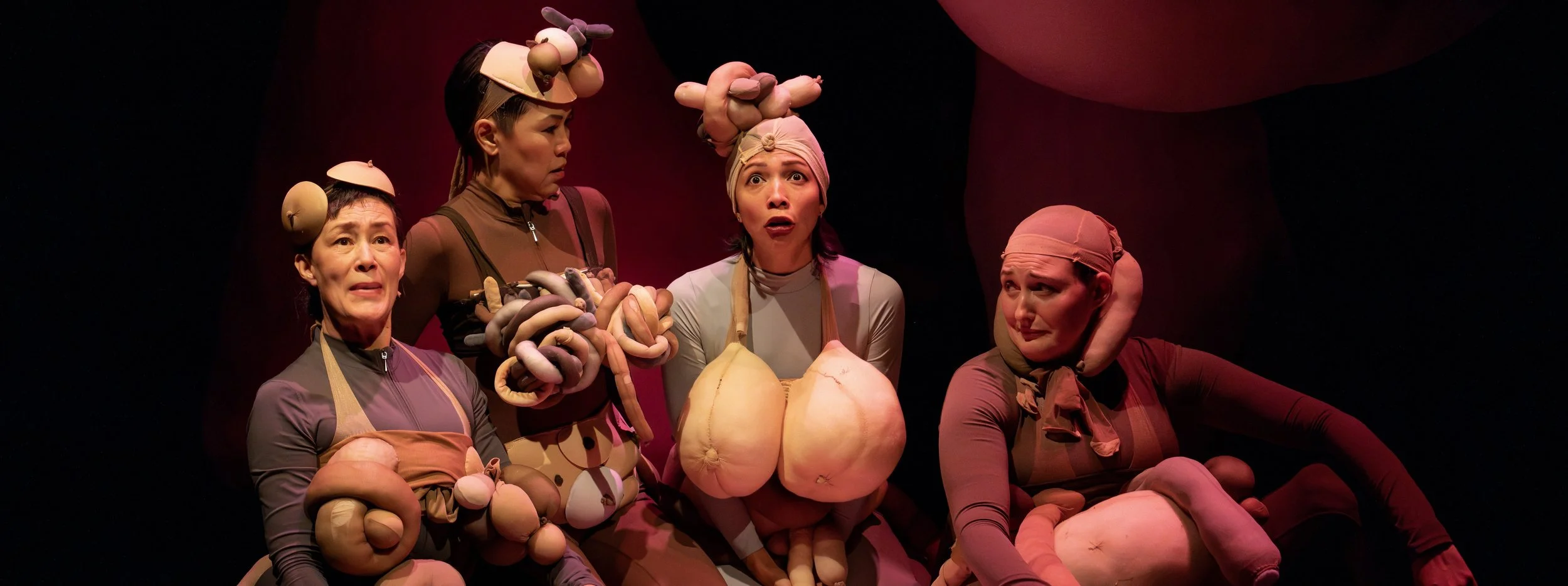
The Amazing Sex Life of Rabbits

The Amazing Sex Life of Rabbits

Many elements of Michael Shaw Fisher’s comedy The Amazing Sex Life of Rabbits remind one of other works that use the familiar trope of a childless couple, unable to conceive, going to extreme lengths to become parents. Here, the factors that decide the deal are typical of the darker riff on the Golden Rule—i.e., “Whoever has the gold, makes the rules.” In Fisher’s 75-minute show at the Fringe Encore Series, fanciful variations on the trope provide enough laughs to forget today’s economic disparities.

Click for print friendly PDF version of this blog post

Spare Parts

Spare Parts

Playwright David J. Glass also happens to be a biomedical scientist with an expertise in age-related loss of muscle mass. So it is not a shock that his new work of science fiction, Spare Parts, is concerned with the limitations of growing old. What is more surprising is that the protagonist at the center of these medical proceedings has a plan for creating life that Doctor Frankenstein would envy, along with a thirst for blood motivated by desires in the vein of Count Dracula.

Click for print friendly PDF version of this blog post

Zack

Zack

Last fall the Mint Theater revived Sally Carson’s Crooked Cross (1935), a warning about encroaching fascism—sadly relevant once again. Its current production, Harold Brighouse’s Zack (1920), is less overtly political but offers its own quiet consolation: a romantic-comic parable in which everyday kindness and decency triumph over avarice and cruelty.

Click for print friendly PDF version of this blog post

Our House

Our House

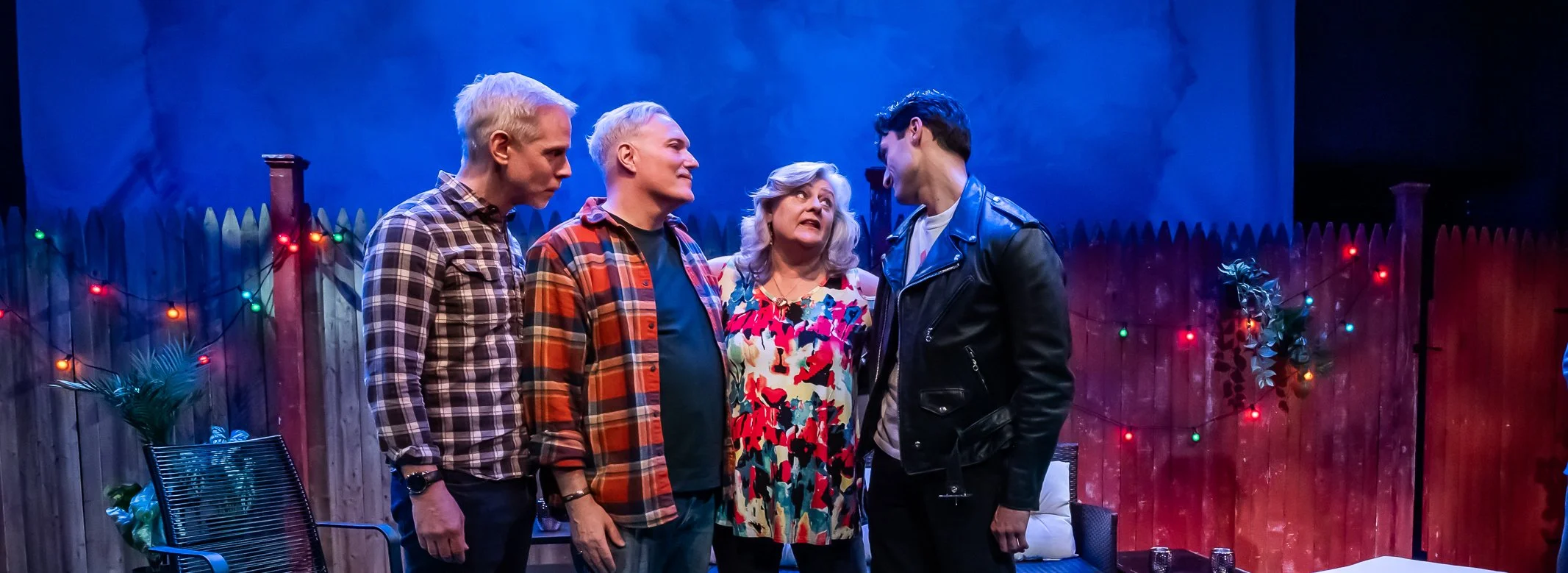
Barry Boehm’s play Our House deals partly with family strife—a staple of American drama for a century—with the added difference that four of the six characters are gay. A long night of drinking and drug-taking puts it squarely in the vein of Long Day’s Journey into Night and Who’s Afraid of Virginia Woolf?, a show in which one of Boehm’s characters happens to be starring, in a community theater production. More particularly, the primarily gay characters echo any number of engaging dramas, from The Boys in the Band to Love! Valour! Compassion! to My Night with Reg.

Click for print friendly PDF version of this blog post

Silver Manhattan

Silver Manhattan

Silver Manhattan, a modestly scaled musical about guitarist-singer Jesse Malin that was recently workshopped at the Gramercy Theatre, has moved downtown to the Bowery Palace, a gemütlich arts venue that opened last month. At street level, the Palace is an upscale bar; the basement, previously a dance club, is now a cozy, 100-seat playhouse, ideal for Silver Manhattan.

Click for print friendly PDF version of this blog post

Chinese Republicans

Chinese Republicans

Four employees of investment bank Friedman Wallace gather for an “affinity group” meeting. Their affinity? They are women of Chinese descent. Yet Alex Lin chose to name her new play Chinese Republicans. Consider it the first sign of dissonance in Lin’s ineffectual script.

Click for print friendly PDF version of this blog post

The Reservoir

The Reservoir

Josh, protagonist of Jake Brasch’s The Reservoir, is a New York University drama student and veteran blackout drunk. Careless and self-centered, Josh spreads pandemonium wherever he goes. Irksome as this conduct may be for those around him—especially his long-suffering mother (Heidi Armbruster), Josh is an audience charmer. Credit for that goes to Brasch’s wit and an adroit performance by leading-actor Noah Galvin. Yet the achievement of this production owes less to the comic capital of the central character than to the heartfelt depiction of Josh’s grandparents, embodied by four notable veterans of the New York stage: Caroline Aaron, Peter Maloney, Mary Beth Peil, and Chip Zien.

Click for print friendly PDF version of this blog post

You Got Older

You Got Older

Clare Barron’s 2014 You Got Older is a comedy of many colors. In this revival at the handsomely renovated Cherry Lane Theatre, Freudian fantasy shares the stage with elements of a traditional rom-com, while gross-out jokes demand equal time against moments of heartwarming family humor. But primarily the intermissionless play is a bittersweet buddy comedy, a keenly observed tale of a sick father and the grown daughter who comes home to see him through his illness. Their sporadic bouts of bonding and awkward conversations provide comfort and support, even as their physical bodies and emotional losses betray them.

Click for print friendly PDF version of this blog post

Meat Suit

Meat Suit

No one in Aya Ogawa’s Meat Suit ever speaks or explains the title phrase, but based on its use in fantasy literature and a Netflix documentary, it refers to a human body inhabited by a demon or alien. The play’s subtitle, The Shitshow of Motherhood, also conjures a negative impression of motherhood. So, too, does almost everything in the show—and in exhaustingly absurdist fashion. The play may not turn anyone off to motherhood, but it could turn people off to any future theatrical explorations of it.

Click for print friendly PDF version of this blog post

Marcel on the Train

Marcel on the Train

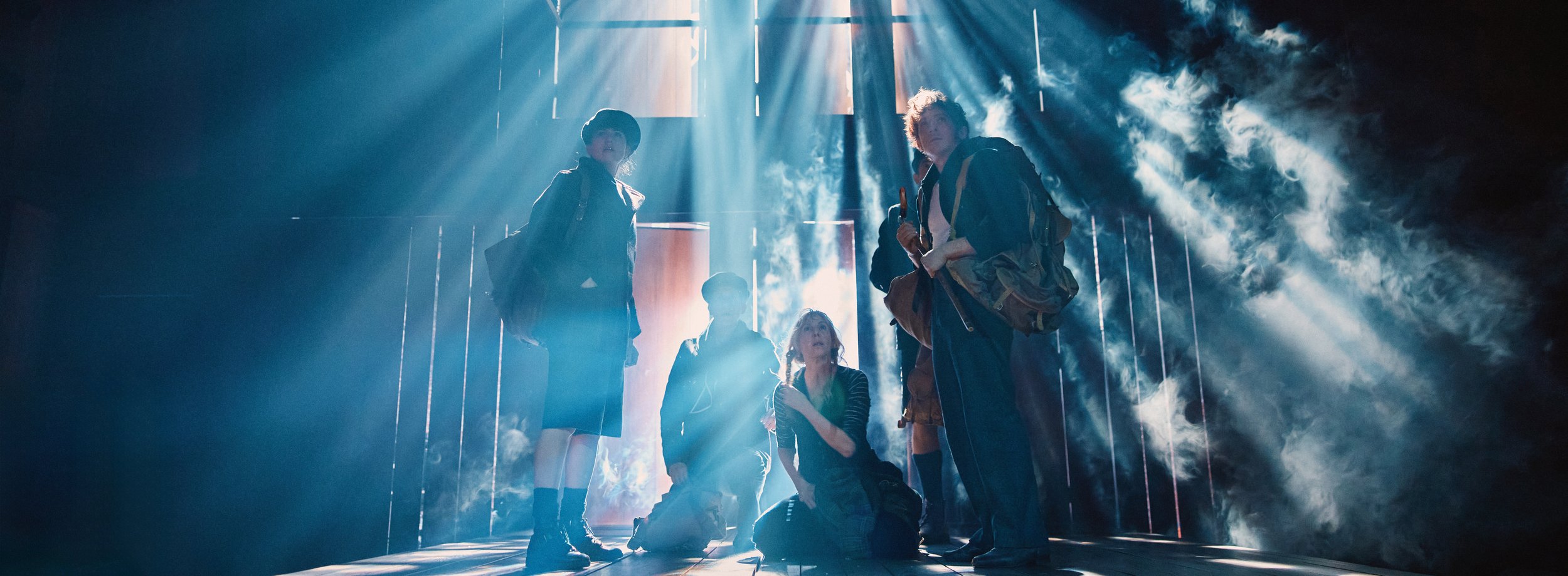
The Marcel Marceau that most people, or at least most theater aficionados, know was one of the world’s greatest mimes. As Bip, a lovable, quirky, charming clown, he regaled audiences with a worn top hat from which protruded a floppy red flower. Marceau’s vulnerable and self-effacing persona, though, was but a thin veil obscuring his heroism during World War II, as recounted in Marshall Pailet and Ethan Slater’s Marcel on the Train.

Click for print friendly PDF version of this blog post

The Other Place

The Other Place

At the outset of Alexander Zeldin’s The Other Place, a funerary urn, unburied but long ignored, sets off a near-nuclear explosion of familial conflict. It’s a humdinger of a beginning; but, as this short, bleak drama proceeds, the motives of the principal characters remain obscure and the twists in the plot, though often startling, can’t conceal the script’s logical lacunae. It’s a striking weakness, since The Other Place is inspired by Sophocles’s Antigone, a compact, laser-focused tragedy that’s intellectually and emotionally satisfying.

Click for print friendly PDF version of this blog post

Hate Radio

Hate Radio

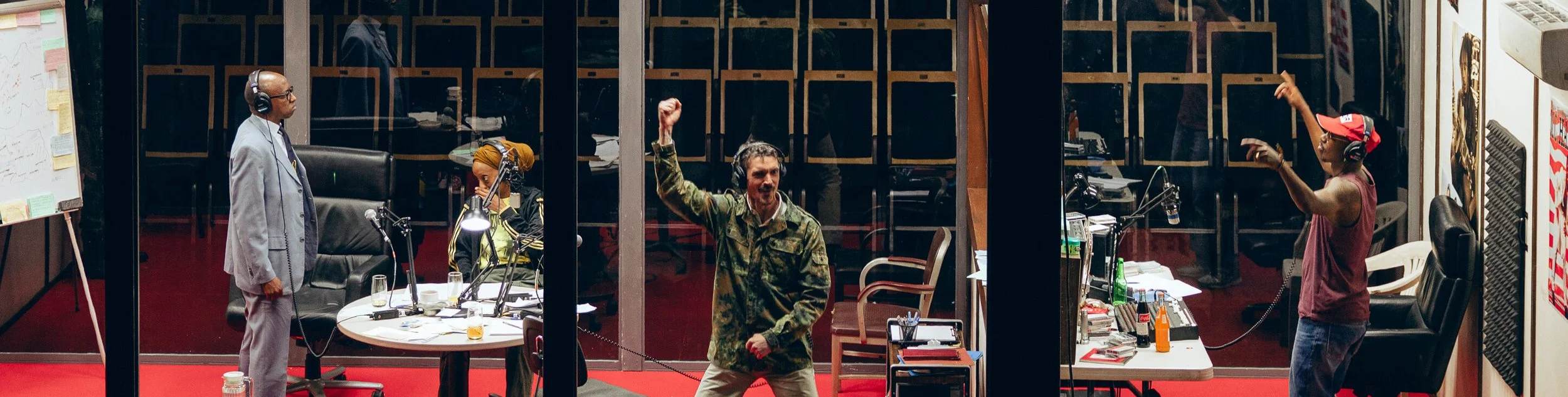
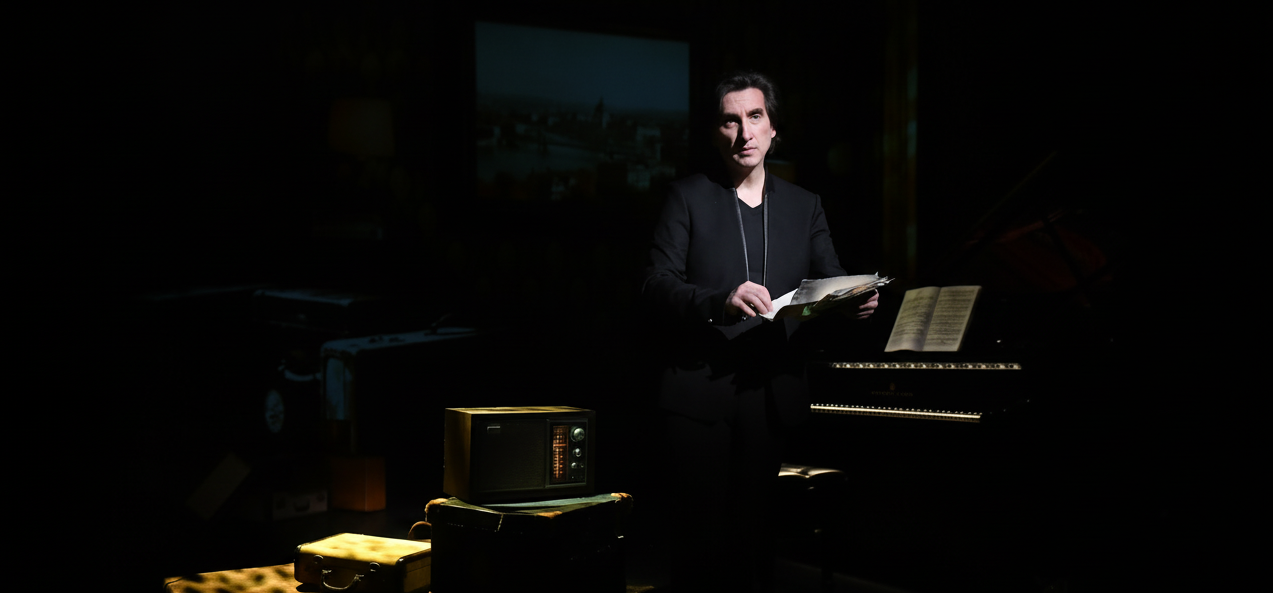
In Hate Radio, Swiss writer-director Milo Rau turns the stage into a time capsule of terror, reconstructing the Rwandan radio station RTLM (Radio Télévision Libre des Mille Collines), whose jovial hate-fueled broadcasts paved the road to genocide. Listening through headsets as slurs curdle into directives, the audience is left to reckon not only with history’s horrors but with unnerving echoes in today’s media-saturated America.

Click for print friendly PDF version of this blog post

The Waterfall

The Waterfall

The same week Haiti was represented in Winter Olympics competition for only the second time in history, WP Theater made its contribution to Haitian pride with the world premiere of The Waterfall, a Haitian American family drama written by Phanésia Pharel, the daughter of Haitian immigrants.

Click for print friendly PDF version of this blog post