
Ciaran O'Reilly

Ulster American

Ulster American

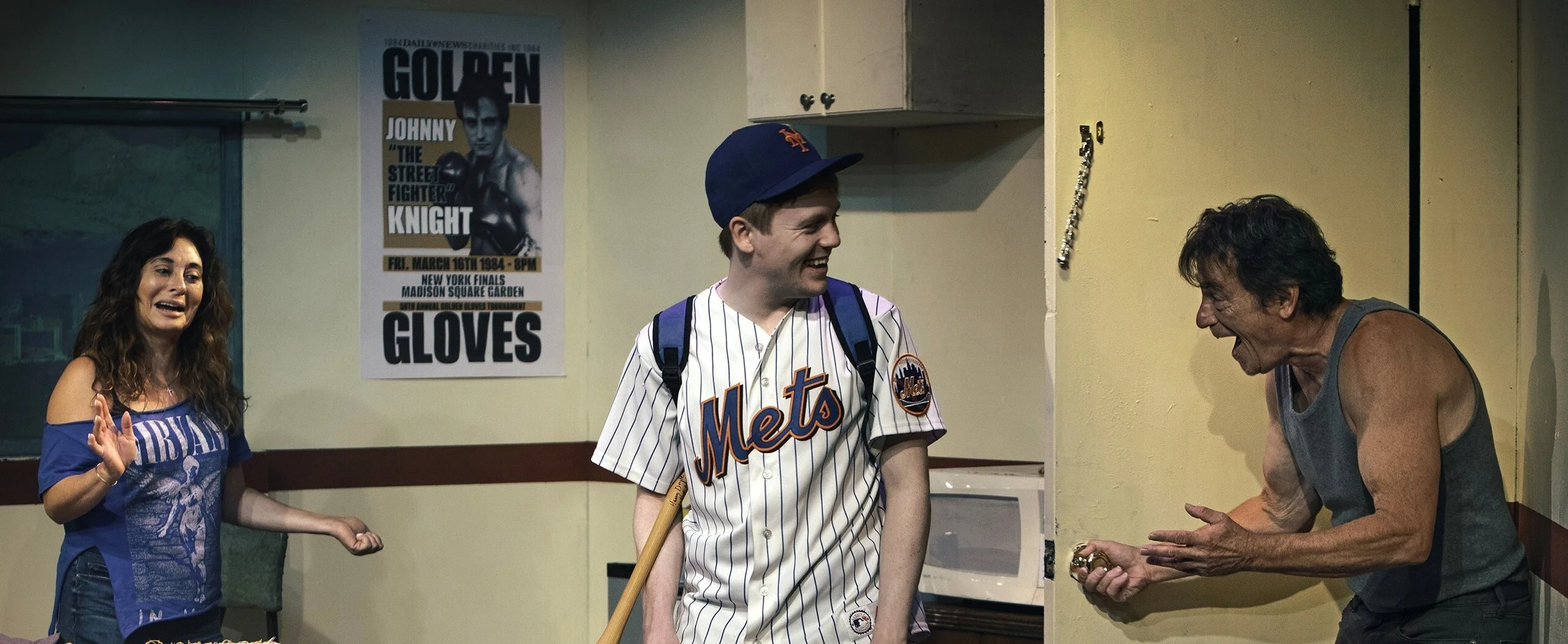
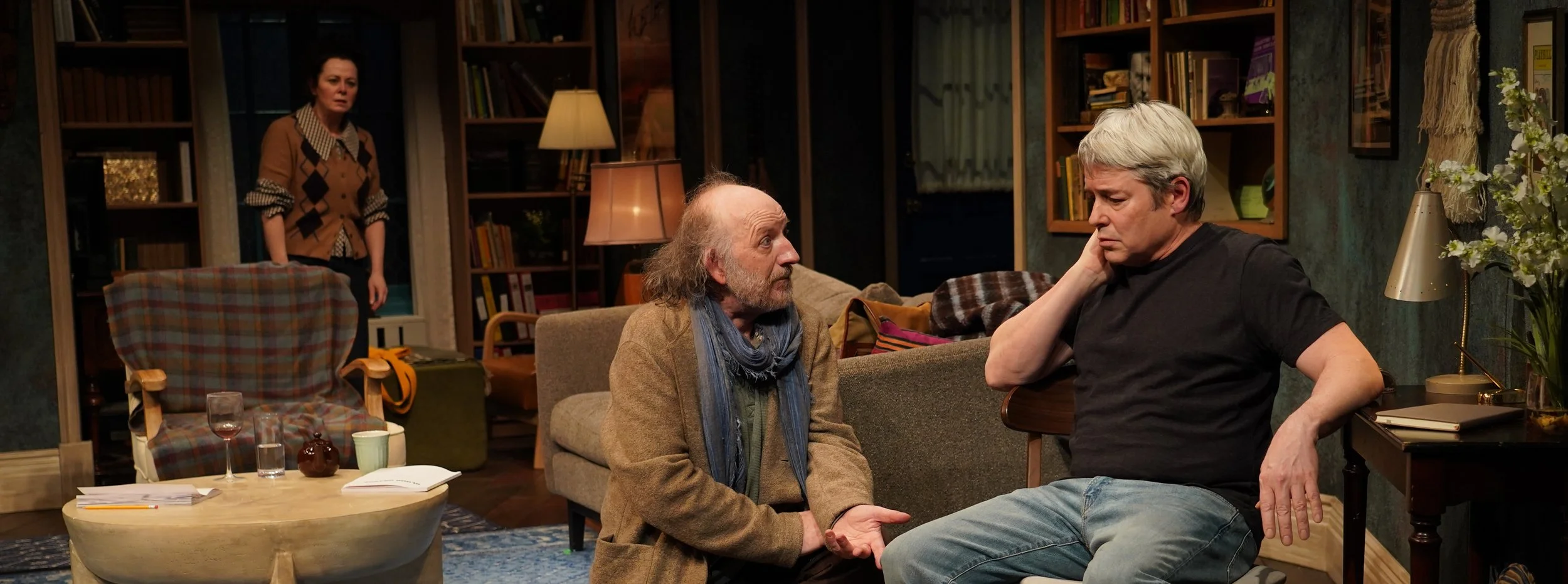
Ulster American, David Ireland’s reworking of his 2016 play, wants to shock from the moment it begins, with two ostensibly progressive white men discussing whether it’s acceptable for white people to reclaim the N-word as their own. The play seems to position itself as a no-holds-barred satire, steeped in the cynicism of David Mamet and Martin McDonagh. But what exactly is being satirized and to what end? A rare miss for the Irish Rep and for the great Ciarán O’Reilly, who directs, Ulster American never moves past the surface of its faux-bad-boy persona; it’s a satire too lazy to be satirical and with humor too juvenile to actually offend.

Click for print friendly PDF version of this blog post

The Weir

The Weir

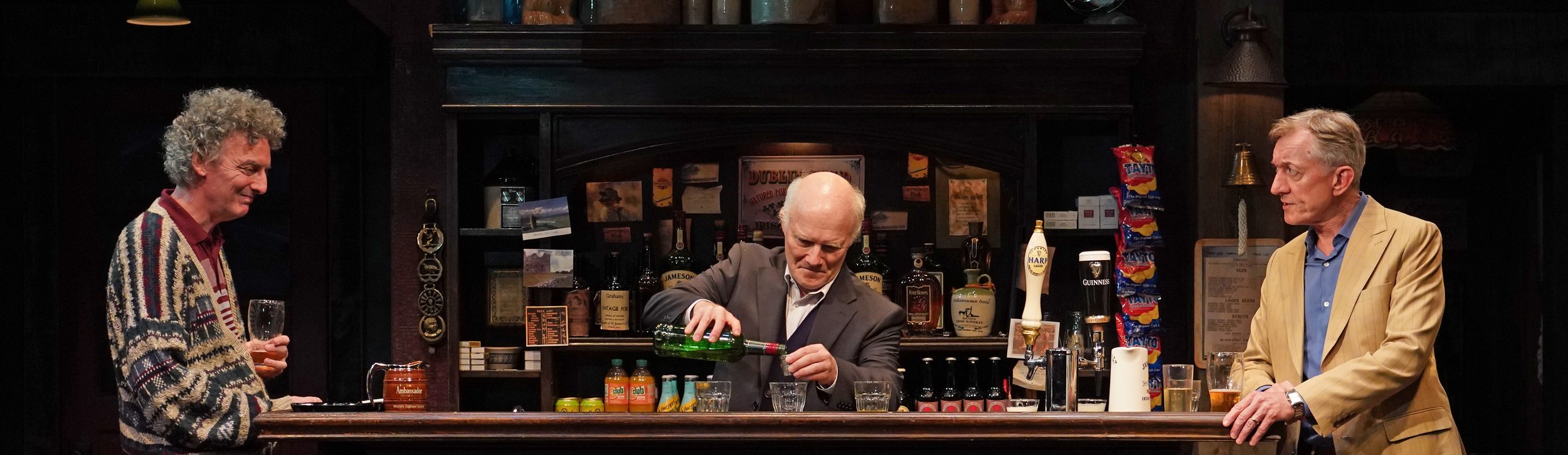
The Irish Rep is currently staging its fourth production since 2013 of Conor McPherson’s 1997 play The Weir, with several of the cast reprising roles. And yet there is nothing stale about this staging—instead, the play is brought to exhilarating life by a marvelous ensemble, under Ciarán O’Reilly’s assured direction. The Weir is essentially a collection of four ghost stories, which arise naturally out of the banter in a rural Irish pub, that ultimately reveal more about the loneliness of the people telling them than anything supernatural.

Click for print friendly PDF version of this blog post

The Butcher Boy

The Butcher Boy

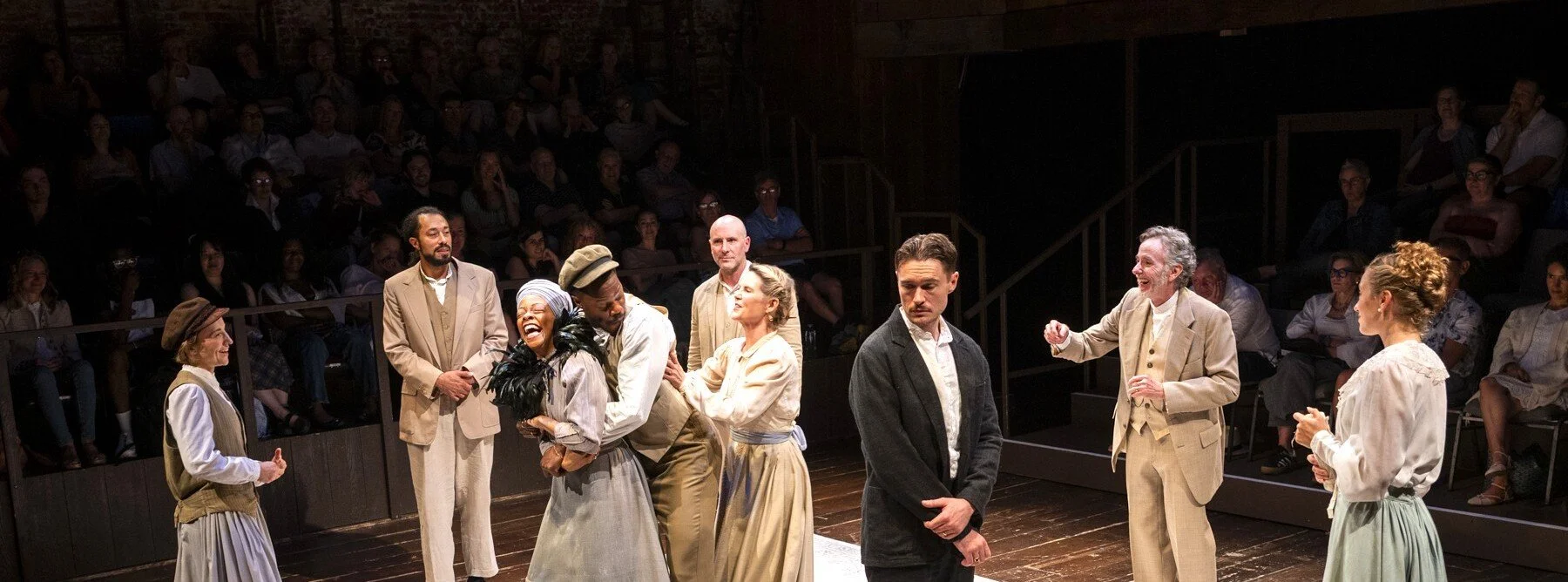
Whoa! At the ends of both acts of The Butcher Boy, the Irish Rep’s new musical adapted from Patrick McCabe’s 1992 novel, such unsettling things happen that you’re forced to revisit everything that preceded them, assessing how much was fact, how much was fantasy, and whether or not we should trust our narrating protagonist, Francie Brady (Nicholas Barasch, and we shouldn’t). The Butcher Boy isn’t comforting or reassuring or lovable, and it won’t send you out whistling a happy tune. But, and this puts it ahead of much of the current pack, it isn’t stupid.

Click for print friendly PDF version of this blog post