
“This is not a moral place,” proclaims a master of ceremonies at the outset of the Pearl Theatre Company’s energetic Vanity Fair. “Nor is it often a merry one,” he adds, “for all of its pageantry and noise.”

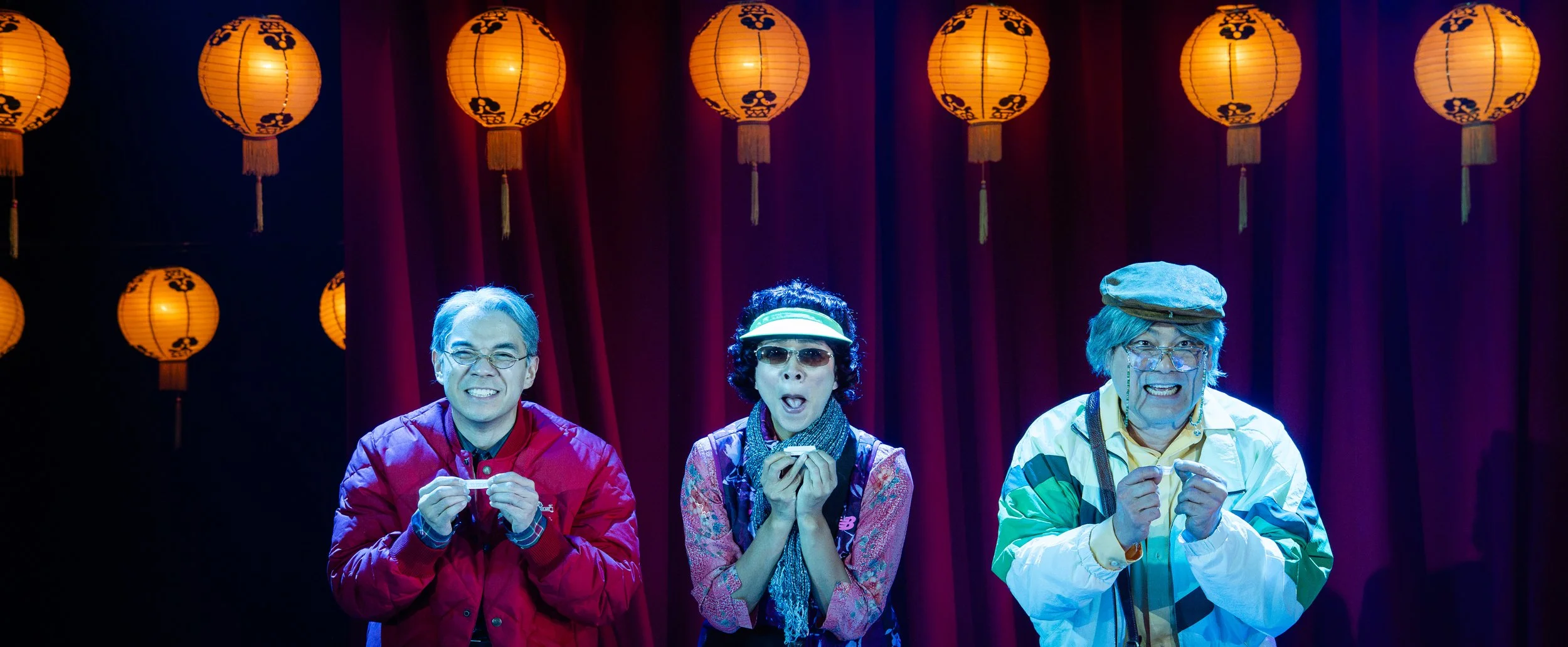
King of the Yees, playwright Lauren Yee’s most recent play, packs a comic punch that rattles the mind into a state of confusion. If the objective is to pack as much comedy as possible into a two-hour play about a daughter’s appreciation of her father, then well done. However, Joshua Kahan Brody’s direction sets such a frantic pace that one frequently finds oneself asking: What is happening now, and who is that? And because three of the actors play no fewer than six characters each, the production has the feel of a madcap comedy. It is a silly and sentimental story.
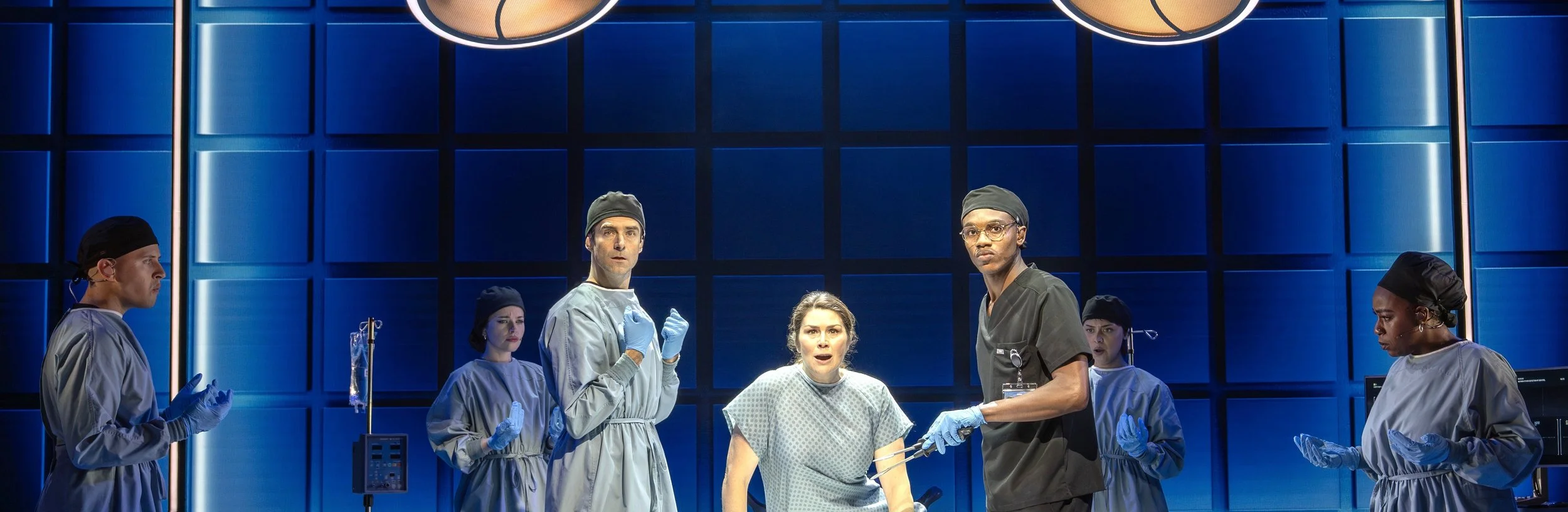
No symbol is more overused in the arts than the human heart. Served cold, golden, or on one’s sleeve, it has been the stuff of countless theatrical metaphors, from the plays of Euripides to Larry Kramer. The Roundabout Theatre Company has, nonetheless, doubled down on the image for its plainly named yet surprisingly complex medical musical, The Heart. Happily, it is a gamble that pays off. Kait Kerrigan’s book mostly avoids sentimentality in favor of scientific facts and hard emotional truths, while the husband and wife team of Ian and Anne Eisendrath deliver a pulsating score, anchored in the realm of electronic dance music.
When there is a generation gap, when communication between children and parents goes awry, it often stems from divergent views, sometimes political, sometimes value-based, and sometimes both. Those parents who struggle to ease their children’s lives by providing them with material comforts that they themselves lacked are often disappointed when their kids reject affluence, and risk their financial or physical security for a greater “cause.” That is the case in playwright David Zax’s Aftermath.
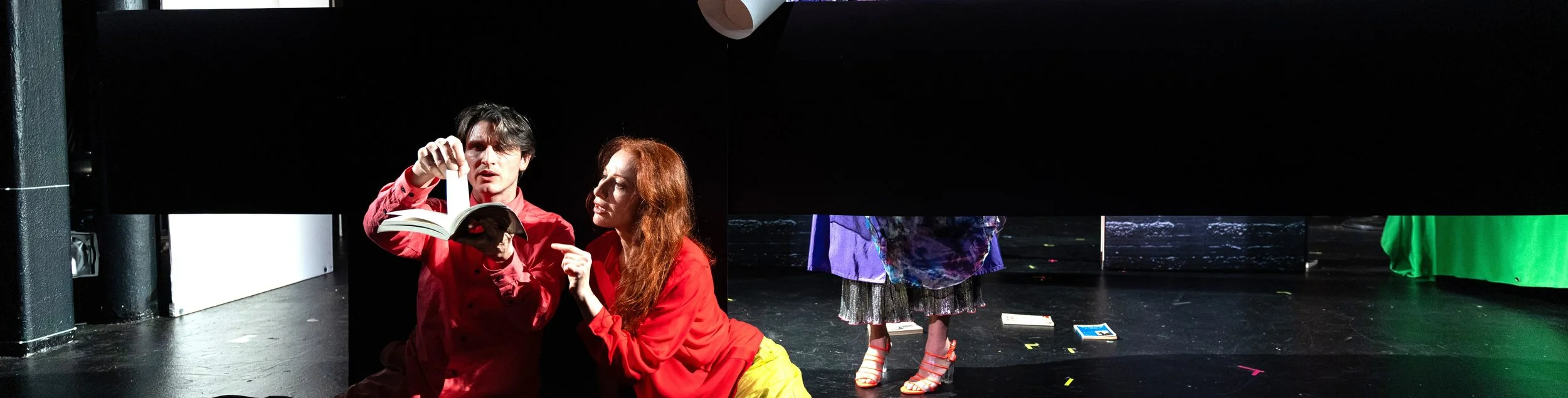
If you missed the avant-garde theater scene in New York City during the 1960s and ’70s, The Kick Inside serves as a time capsule, catapulting its audiences back to the heyday of experimental theater. Directed with a steady hand by Nicolás Noreña, this collection of 12 vignettes by a range of playwrights, from Richard Foreman to Penny Arcade, takes its viewers on a madcap linguistic, visual, and physical journey to that era, with an occasional modern touch to the retro material.
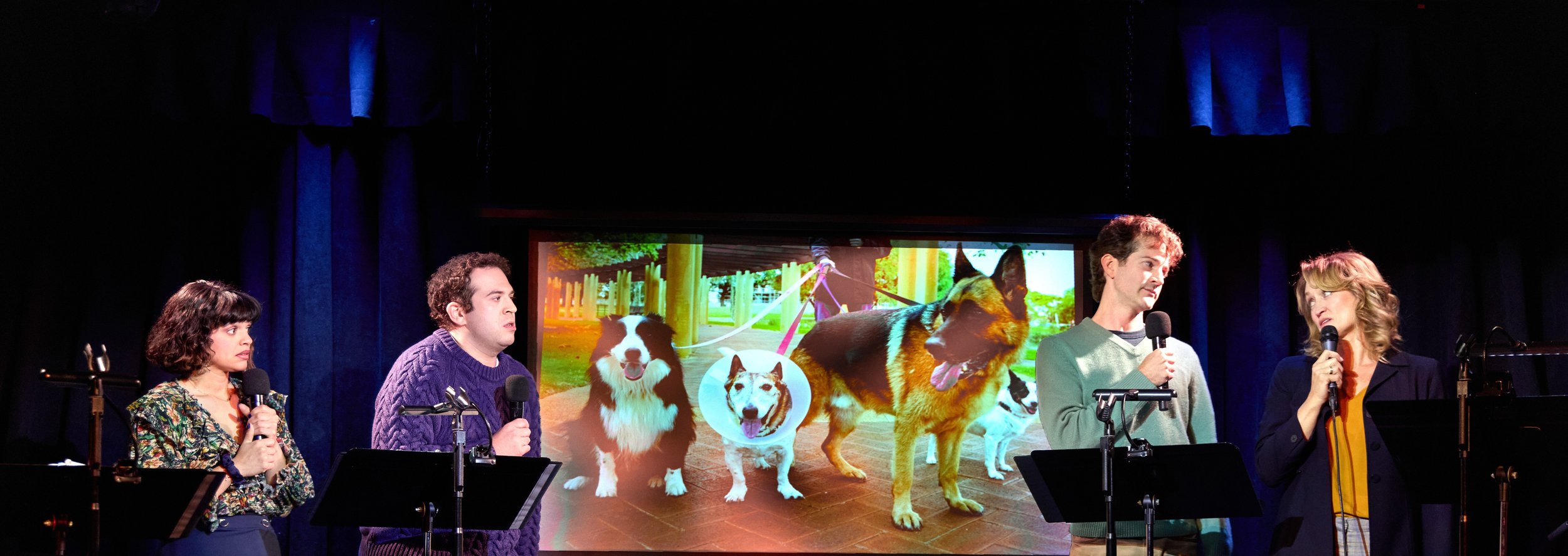
Anthropomorphism is at the center of The Dog Show: Come. Sit. Stay., David Javerbaum’s cleverly conceived work about dogs and their views of the world. Directed by Richard Israel, it’s playing at the Triad, the original home of Celebrity Autobiography. The Dog Show adopts a similar format as that hit: actors reading from scripts, mostly at stands. But it’s no less enjoyable for that: a winning cast of four helps the unflashy production breed satisfaction for its audience.
“This is not a moral place,” proclaims a master of ceremonies at the outset of the Pearl Theatre Company’s energetic Vanity Fair. “Nor is it often a merry one,” he adds, “for all of its pageantry and noise.”
