
Drama, Reviews
Marc Miller
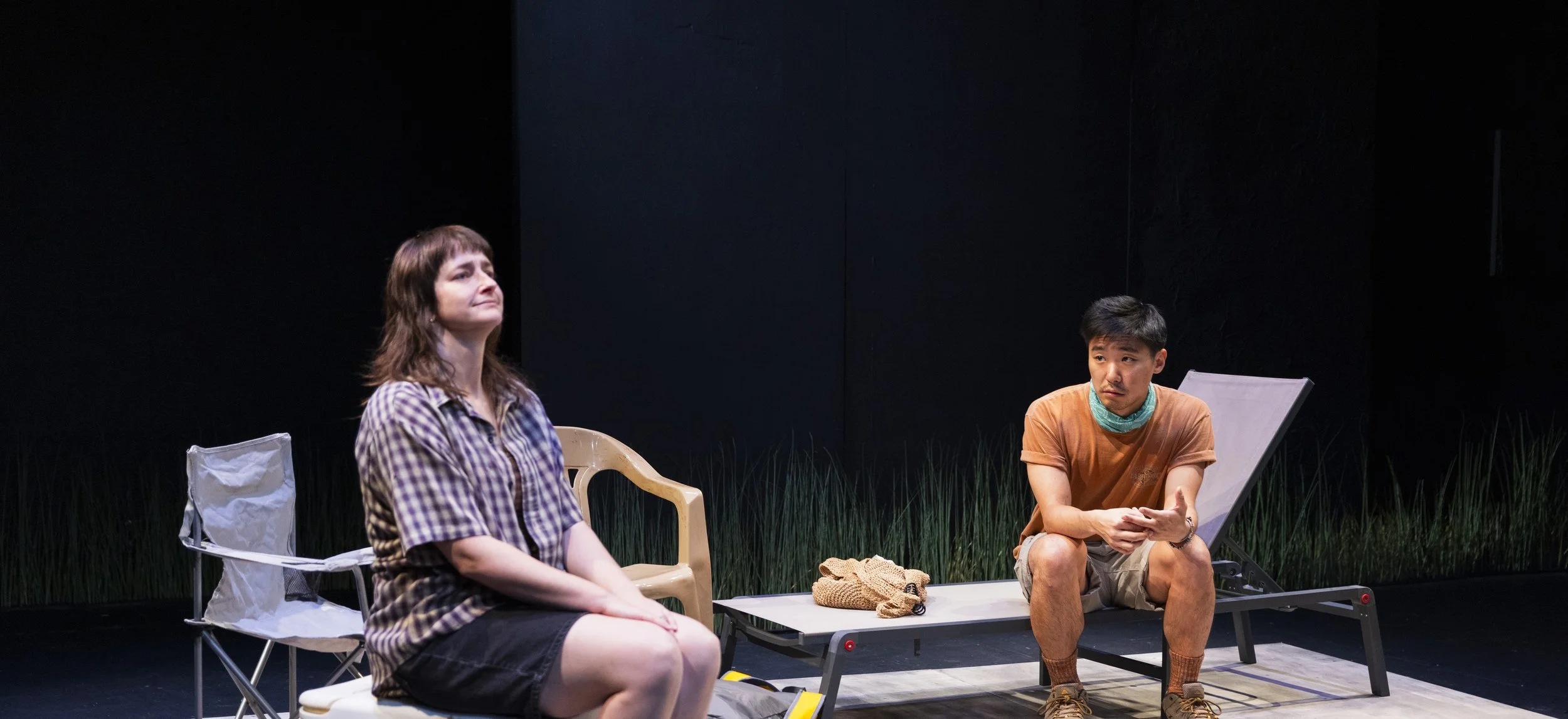
Marfa, Texas, the shooting locale for the George Stevens epic film Giant 70 years ago, is known as a dot of cultural sophistication, big on minimalist art, amid hundreds of miles of Texas brush and desert. It’s also renowned for the Marfa Lights, a nocturnal phenomenon of distant brightness that can appear orange, yellow, blue, red. It’s not known as a hangout for anxious thirtysomethings yapping about politics, gender, and muddled friendships, but that’s the upshot of Very Blue Light, Daphne Silbiger’s new drama at The Tank. That it plays as well as it does is a tribute to Silbiger’s clever invocation of familiar themes, and a beguiling cast of four up-and-coming actors.
Comedy, Drama, Reviews
Deirdre Donovan
Molière’s Don Juan takes audiences on a feverish journey from seduction to reckoning, blending farce, tragedy, and the supernatural in a provocative examination of hypocrisy, morality, and the consequences of unchecked desire. In the free outdoor production by Molière in the Park (MIP), this darkly comic masterpiece proves as entertaining as it is unsettling, holding up a mirror to human folly while leaving audiences to determine where they stand.

Comedy, Immersive/Interactive, Reviews, Solo Performance
Edward Karam
Crikey! Garry Starr: Classic Penguins makes one wonder what the Aussies are consuming besides cold ones. A quarter century after Puppetry of the Penis, the lunatic 2001 production from Down Under that introduced “genital origami,” comes this brash, loopy clown show, written and performed by Garry Starr (the stage persona of Damien Warren-Smith).
Drama, Comedy, Reviews
Charles Wright
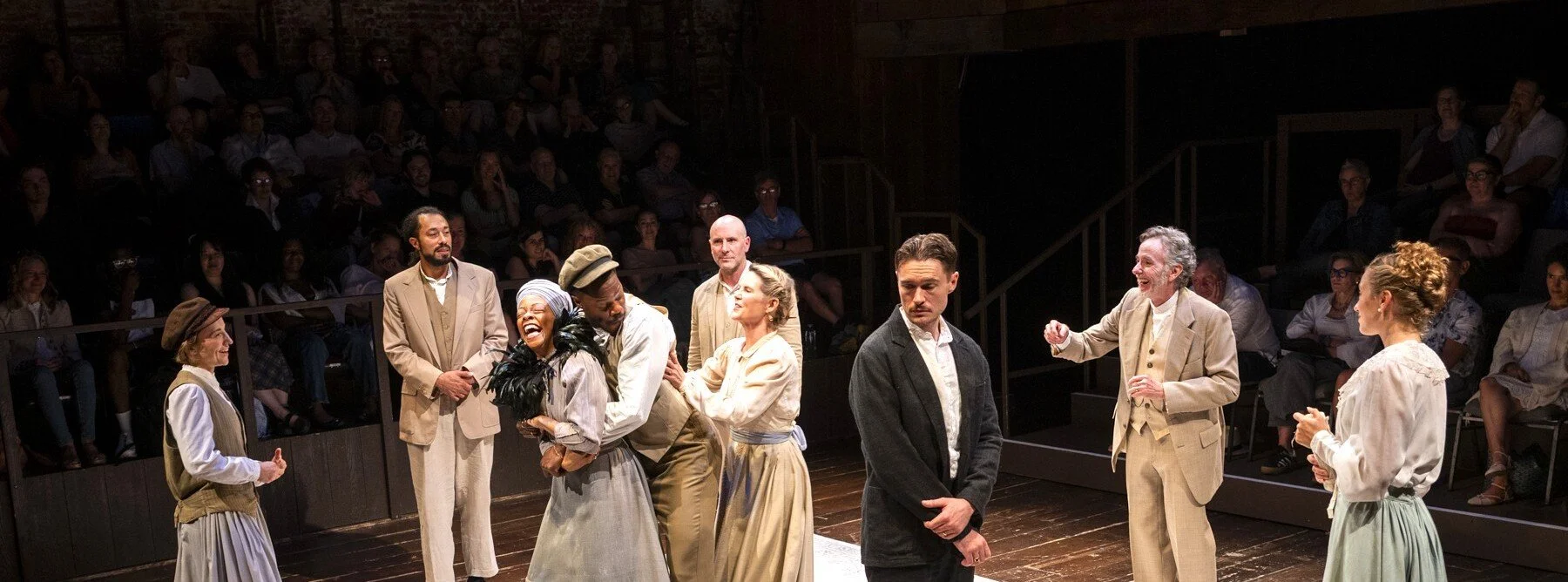
Laura Strausfeld, adaptor and director of The Real Ivanov: A Comedy About Despair, describes her production as a “faithful adaptation of [Anton] Chekhov’s Ivanov.” In 100 minutes without an intermission, an 11-member cast touches the principal plot points of the Russian master’s first full-length drama; but little remains of the dramatic craftsmanship that gives each scene of a genuine Chekhov play the aura of lived experience. The script of the so-called Real Ivanov summons to mind Reader’s Digest Condensed Books: more has been discarded than left intact.
Reviews, Drama
Deirdre Donovan
Terence Anthony’s The House of the Negro Insane, set in 1935 inside Central State Hospital, a psychiatric institution built to confine “insane and idiotic negroes,” is a searing drama about confinement, despair, and the possibility of freedom. Structured in seven scenes, the play has a surreal texture that director Daniel Carlton brings to vivid life—a world in which even those resigned to death may dare to imagine freedom beyond the walls.